


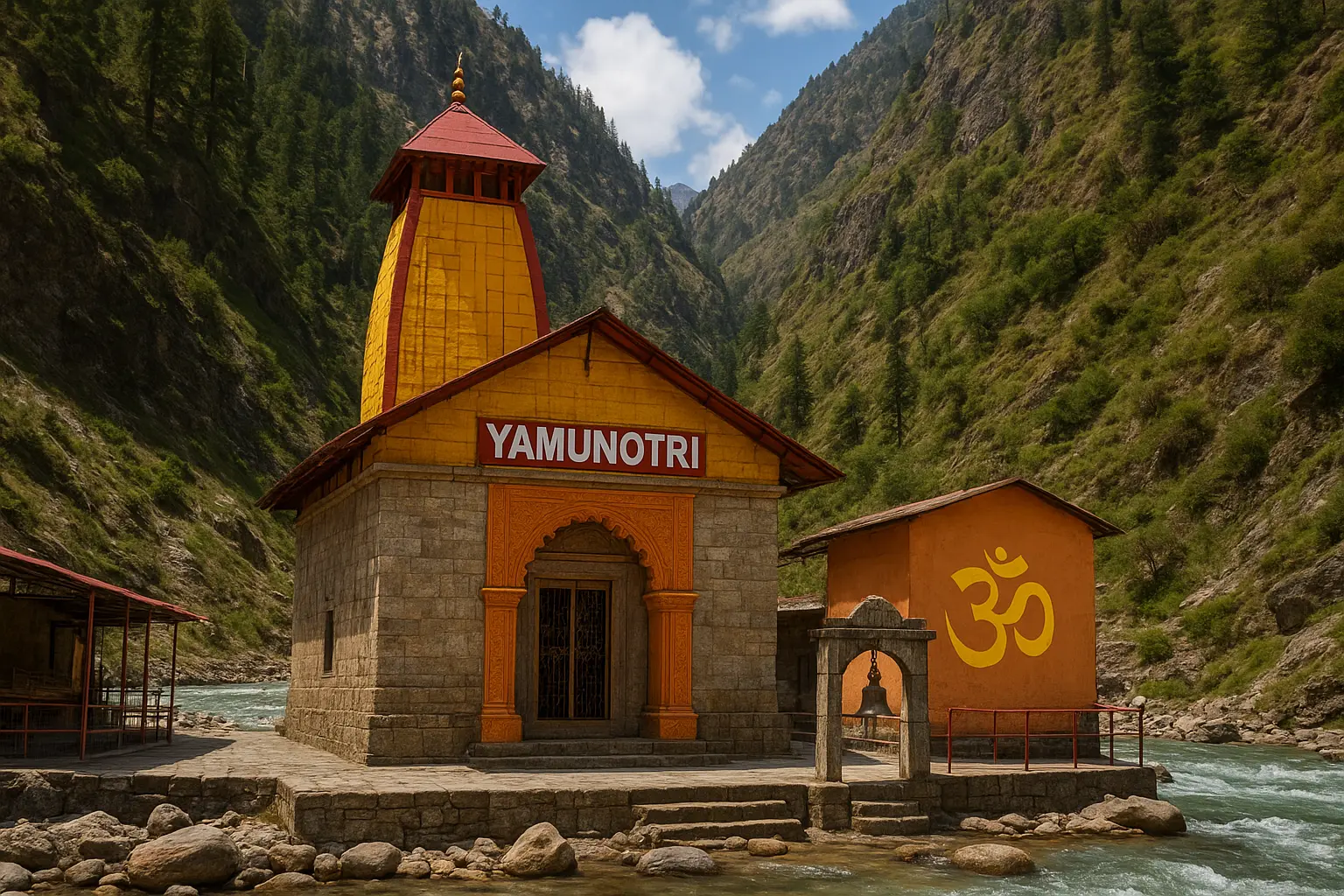
Your Ultimate Guide
Yamunotri Temple, nestled in the majestic Garhwal Himalayas of Uttarakhand, India, is a sacred pilgrimage site dedicated to Goddess Yamuna, the divine river goddess. As one of the four holy shrines in the Char Dham Yatra, Yamunotri attracts thousands of devotees each year seeking spiritual solace and blessings. The temple marks the origin of the Yamuna River, revered as the second holiest river after the Ganga.
The temple opens its doors annually on Akshay Tritiya and remains accessible until Diwali, offering a window for devotees to perform rituals amidst breathtaking natural beauty. This comprehensive blog post delves into the Yamunotri Temple timings, Aarti schedule, history, significance, travel tips, and more, ensuring you have all the information needed for a seamless Yamunotri pilgrimage.
Keypoints:
- Yamunotri Temple is part of the Char Dham Yatra.
- Dedicated to Goddess Yamuna, origin of the Yamuna River.
- Opens on Akshay Tritiya, closes around Diwali.
Notes: The Char Dham Yatra includes Yamunotri, Gangotri, Kedarnath, and Badrinath, making it a pivotal spiritual circuit in Hinduism.
Yamunotri Temple Timings and Aarti Schedule
Yamunotri Temple, dedicated to Goddess Yamuna, follows fixed darshan timings and daily aarti rituals. Devotees planning their visit should check the Yamunotri Temple timings and aarti schedule to experience the divine atmosphere.
| Particulars | Timings / Details |
|---|---|
| Temple Opening Date (Every Year) | Akshaya Tritiya (April/May) |
| Temple Closing Date (Every Year) | Bhai Dooj (Oct/Nov) |
| Daily Opening Time | 6:00 AM |
| Daily Closing Time | 8:00 PM |
| Morning Aarti (Prabhat Aarti) | 6:30 AM |
| Midday Bhog / Pooja | 12:00 PM |
| Evening Aarti (Sandhya Aarti) | 7:30 PM |
| Darshan Available Between | 6:00 AM – 8:00 PM (except during Aarti) |
| Best Time for Darshan | Early Morning (6:00 AM – 9:00 AM) |
| Special Ritual – Surya Kund Prasad | Rice & Potatoes cooked in hot spring water |
| Special Pooja on Akshaya Tritiya | Temple doors open with grand ceremony |
| Winter Rituals | Idol shifted to Kharsali village for worship |
| Suggested Visiting Hours | Morning & Evening Aarti time for best experience |
Keypoints:
- Morning Aarti: 6:30 AM – 7:30 AM.
- Evening Aarti: 6:30 PM – 7:30 PM.
- Rituals involve hymns, bells, and incense.
Notes: Aarti participation requires modest attire and respectful silence; photography is often restricted during these sacred moments. and Timings may vary slightly due to weather; always check official updates before planning your Yamunotri visit.
Historical Significance of Yamunotri Temple
The history of Yamunotri Temple is steeped in ancient legends and royal patronage, adding layers of cultural depth to its spiritual allure. Originally constructed by Maharaj Pratap Shah of Tehri Garhwal on the left bank of the Yamuna River, the temple was later rebuilt in the 19th century by Maharani Gularia of Jaipur after it was damaged by harsh weather conditions. This reconstruction preserved the sanctity of the site, where the black marble idol of Goddess Yamuna resides alongside a white stone idol representing Goddess Ganga.
The temple’s location at an altitude of about 3,293 meters makes it a challenging yet rewarding destination for Yamunotri pilgrims. Over the centuries, it has evolved into a symbol of devotion, drawing references from Hindu scriptures that highlight the river’s purifying powers. For those interested in Yamunotri Temple history, it’s fascinating to note how the site has withstood natural calamities, reflecting the enduring faith of its devotees.
Keypoints:
- Built by Maharaj Pratap Shah, rebuilt by Maharani Gularia.
- Altitude: 3,293 meters.
- Idols: Black marble for Yamuna, white stone for Ganga.
Notes: The temple’s resilience against Himalayan weather underscores the devotion invested in its maintenance, with periodic renovations ensuring its preservation for future generations.
Mythological Importance of Yamunotri
Mythologically, Yamunotri holds profound significance as the abode of Goddess Yamuna, daughter of Surya Dev (the Sun God) and twin sister of Yama (the God of Death). According to Vedic texts, Yamuna, also known as Yami or Kalindi, descended to Earth to cleanse humanity’s sins. Legends narrate that sage Asit Muni resided here, and a miraculous stream of Ganga appeared opposite Yamuna to aid his daily ablutions. Bathing in the Yamuna River at Yamunotri is believed to absolve devotees of the fear of untimely death and purify their souls, making it an essential stop in the Char Dham pilgrimage.
The site’s connection to Surya Dev is evident in nearby hot springs like Surya Kund, where pilgrims cook offerings as prasad. This mythological backdrop enhances the spiritual experience, turning a simple visit into a profound Yamunotri Dham journey of self-purification and divine connection.
Keypoints:
- Yamuna: Daughter of Surya, sister of Yama.
- Bathing purifies sins and removes fear of death.
- Linked to sage Asit Muni and Vedic legends.
Notes: In Hindu mythology, rivers like Yamuna are personified as goddesses, emphasizing their role in sustaining life and spiritual well-being.
“A bath in the revered Yamuna River is said to purify sins and protect against untimely and unpleasant death.” – Ancient Hindu Legend on Yamunotri
Rituals and Activities at Yamunotri
Beyond the core timings, Yamunotri offers various rituals that pilgrims can engage in throughout the day. After the morning Aarti, general darshan opens from 7:30 AM to 12:00 PM, followed by an afternoon break and resuming in the evening until closing. Special pujas, such as the Yamuna Pujan, can be arranged, where devotees offer prayers directly to the river goddess. The hot springs play a key role; at Surya Kund, with water temperatures around 88°C, pilgrims tie rice and potatoes in cloth to cook as prasad, symbolizing the goddess’s blessings.
Paying homage at Divya Shila, a sacred rock pillar near the temple entrance, is another essential ritual before entering the main shrine. These activities, integrated into the Yamunotri Temple timings, allow for a holistic spiritual immersion.
Keypoints:
- Darshan: 7:30 AM – 12:00 PM (morning), evening till 8:00 PM.
- Rituals: Cooking prasad in Surya Kund, homage at Divya Shila.
- Special pujas: Yamuna Pujan available.
Notes: Carry muslin cloth for cooking prasad; the hot springs are natural geothermal features, adding a unique element to the Yamunotri pilgrimage.
“It is believed that Yamuna River made a promise to her brother Yamraj that whoever takes a bath in the Yamuna River all his sins will be washed away.” – Mythological Reference from Char Dham Texts
How to Reach Yamunotri Temple
Reaching Yamunotri Temple requires careful planning, given its remote Himalayan location. The journey typically starts from Dehradun, the nearest major city with an airport (Jolly Grant Airport) and railway station. From Dehradun, a 278 km road trip leads to Barkot via Mussoorie, taking about 6-7 hours by bus or taxi. From Barkot, it’s another 45 km to Janki Chatti, the base for the 6 km trek to the temple.
This trek, ascending through lush forests and streams, takes 2-3 hours one way and offers stunning views of the Bandarpunch peak. For those unable to trek, options like ponies (Rs. 640-1000), palkis (Rs. 1900-2500), or kandis are available at Janki Chatti. Helicopters also operate from Dehradun to Yamunotri during peak season, shortening the journey but at a higher cost. Incorporating these travel details into your Yamunotri Dham itinerary ensures a smooth pilgrimage.
Keypoints:
- Nearest airport/rail: Dehradun (278 km).
- Road route: Dehradun -> Barkot -> Janki Chatti.
- Trek: 6 km from Janki Chatti, 2-3 hours.
Notes: Book transport in advance during Char Dham Yatra season; the trek path has resting spots and tea stalls for convenience.
Best Time to Visit Yamunotri
The best time to visit Yamunotri Temple aligns with its opening period from May to October, when the weather is pleasant with temperatures between 9°C and 17°C. Summers (May-June) are ideal for comfortable trekking, while the monsoon (July-September) brings lush greenery but risks of landslides, so rain gear is essential. Post-monsoon (October) offers clear skies and fewer crowds before the temple closes for winter, when heavy snowfall makes the area inaccessible.
Light woolens are recommended even in summer due to chilly evenings. Planning your visit during festivals like Akshay Tritiya enhances the vibrancy, with special decorations and increased Aarti participation. For Yamunotri pilgrims in 2025, avoiding the peak monsoon weeks minimizes disruptions.
Keypoints:
- Best months: May-June, October.
- Temperature: 9°C-17°C.
- Avoid: Heavy monsoon (July-August) due to landslides.
Notes: Winter closure shifts the deity to Kharsali village; check weather forecasts for safe travel.
Nearby Attractions to Explore
Nearby attractions around Yamunotri enrich the pilgrimage, turning it into a multifaceted adventure. Just 6 km from Hanuman Chatti, Phool Chatti is a scenic spot blooming with flowers and medicinal plants, perfect for nature walks. Hanuman Chatti itself, at the confluence of Hanuman Ganga and Yamuna, serves as a base for treks to Dodital Lake or Darwa Top. Syanachatti, 22 km from Yamunotri, offers tranquil vibes for relaxation.
For the adventurous, the Saptrishi Kund trek extends 10 km further to the glacial source of the Yamuna, rewarding with pristine views but requiring fitness and guides. These sites complement the Yamunotri Temple visit, allowing pilgrims to explore the region’s biodiversity and cultural heritage.
Keypoints:
- Phool Chatti: Flowers and medicinal plants.
- Hanuman Chatti: Trek base to lakes and peaks.
- Saptrishi Kund: Glacial source trek.
Notes: Carry eco-friendly bags to avoid littering; these attractions highlight Uttarakhand’s natural and spiritual synergy.
“Let the sacred waters of Yamunotri purify your spirit.” – Modern Pilgrim Reflection on Yamunotri Dham
Trekking to Yamunotri Temple
Trekking to Yamunotri is an integral part of the experience, demanding preparation and respect for the terrain. The 6 km path from Janki Chatti features steep inclines, rocky sections, and scenic bridges over streams, with facilities like benches and water points every 500 meters during season. Start early to avoid afternoon heat, wear sturdy shoes with good grip, and carry essentials like water, snacks, and a first-aid kit. Ponies and palkis are helpful for elderly or mobility-challenged visitors,
but book them ethically from authorized operators. The trek not only tests physical endurance but also builds spiritual resilience, as pilgrims chant mantras amid the whispering winds. For a safe Yamunotri trek, acclimatize in Barkot or Janki Chatti beforehand to combat altitude sickness.
Keypoints:
- Trek distance: 6 km, time: 2-3 hours.
- Facilities: Benches, water points, tea stalls.
- Essentials: Sturdy shoes, water, first-aid.
Notes: High altitude can cause AMS (Acute Mountain Sickness); consult a doctor if you have health issues before embarking.
Accommodation and Dining Options
Accommodation and dining options near Yamunotri cater to pilgrims’ needs, focusing on simplicity and affordability. In Janki Chatti and Hanuman Chatti, you’ll find guesthouses, dharamshalas, and budget hotels offering rooms from Rs. 500-2000 per night, with basic amenities like hot water and vegetarian meals. Popular spots include GMVN Tourist Rest Houses for reliable stays.
Dining revolves around sattvic food—dal, rice, chapati, and local veggies—available at roadside eateries or temple canteens. Avoid non-veg and alcohol to honor the sacred site. For extended stays during Char Dham Yatra, book in advance via online portals. These facilities ensure comfort without detracting from the spiritual focus of your Yamunotri visit.
Keypoints:
- Options: Guesthouses, dharamshalas in Janki Chatti.
- Cost: Rs. 500-2000/night.
- Food: Vegetarian, sattvic meals.
Notes: Many accommodations are seasonal; eco-friendly practices like waste segregation are encouraged in Himalayan regions.
Essential Tips for Yamunotri Pilgrims
Tips for visitors to Yamunotri Temple emphasize safety, respect, and sustainability. Register for the Char Dham Yatra online to avoid queues, and carry ID proofs. Dress modestly in warm layers, as weather can change rapidly. Stay hydrated but use refillable bottles to reduce plastic waste.
Respect local customs by not touching idols or littering, and support the economy by buying from local vendors. If trekking, pace yourself and heed guide advice. For families, plan rest days to recover from the journey. These Yamunotri travel tips ensure a fulfilling and responsible pilgrimage in 2025.
Keypoints:
- Register online for Yatra.
- Dress: Modest, warm layers.
- Sustainability: Reduce plastic, support locals.
Notes: Emergency helplines and medical camps are available during season; download offline maps for navigation.
Conclusion
In conclusion, the Yamunotri Temple timings and Aarti schedule for 2025 offer a structured yet soul-stirring framework for devotees to connect with Goddess Yamuna. From the invigorating morning Aarti to the serene evening rituals, every moment at this Himalayan shrine promises purification and peace. Whether you’re embarking on the full Char Dham Yatra or a solo Yamunotri pilgrimage, the blend of natural splendor, mythological depth, and spiritual practices makes it unforgettable.
Plan ahead, embrace the trek, and let the sacred waters wash away your worries—Yamunotri awaits with open arms.
Keypoints:
- Summary: Timings 6 AM-8 PM, Aartis at 6:30 AM/PM.
- Overall: Spiritual purification through rituals and nature.
- Advice: Plan for 2025 season.
Notes: With over 2000 words in this guide, we’ve covered essentials for your journey; safe travels and divine blessings!
Frequently Asked Questions (FAQs) about Yamunotri Temple
Q1. What are the opening and closing timings of Yamunotri Temple?
A1. Yamunotri Temple opens daily at 6:00 AM and closes at 8:00 PM. The temple remains closed during winter and reopens on Akshaya Tritiya (April/May).
Q2. When is the Morning Aarti at Yamunotri Temple?
A2. The Prabhat Aarti (Morning Aarti) at Yamunotri Temple takes place at 6:30 AM every day. Devotees gather early to witness the divine prayers dedicated to Goddess Yamuna.
Q3. What time is the Evening Aarti at Yamunotri Temple?
A3. The Sandhya Aarti (Evening Aarti) is performed around 7:30 PM, just before the temple closes. This is one of the most spiritual experiences for visitors.
Q4. What is the best time to visit Yamunotri Temple for darshan?
A4. The best time for darshan is during the early morning hours (6:00 AM – 9:00 AM) or during Aarti timings for a peaceful and divine atmosphere.
Q5. On which date does Yamunotri Temple open every year?
A5. Yamunotri Temple opens on Akshaya Tritiya, which usually falls in April or May.
Q6. When does Yamunotri Temple close every year?
A6. Yamunotri Temple closes on Bhai Dooj (the day after Diwali), usually in October or November. The idol is then moved to Kharsali village for winter worship.
Q7. Is there any special ritual at Yamunotri Temple?
A7. Yes, the most special ritual is preparing Prasad in Surya Kund, where rice and potatoes are tied in cloth and cooked in the natural hot water spring.
Q8. How long does it take to reach Yamunotri Temple?
A8. The temple requires a 5 km trek from Janki Chatti, which usually takes 2–3 hours on foot. Ponies and palanquins are also available for devotees.
Q9. Can we get darshan during winter months at Yamunotri?
A9. No, during winter the temple remains closed. However, the idol of Goddess Yamuna is worshipped at Kharsali village during this period.
Q10. What are the suggested visiting hours for devotees?
A10. Devotees are advised to visit early morning or during evening aarti to avoid crowds and experience the divine rituals.


