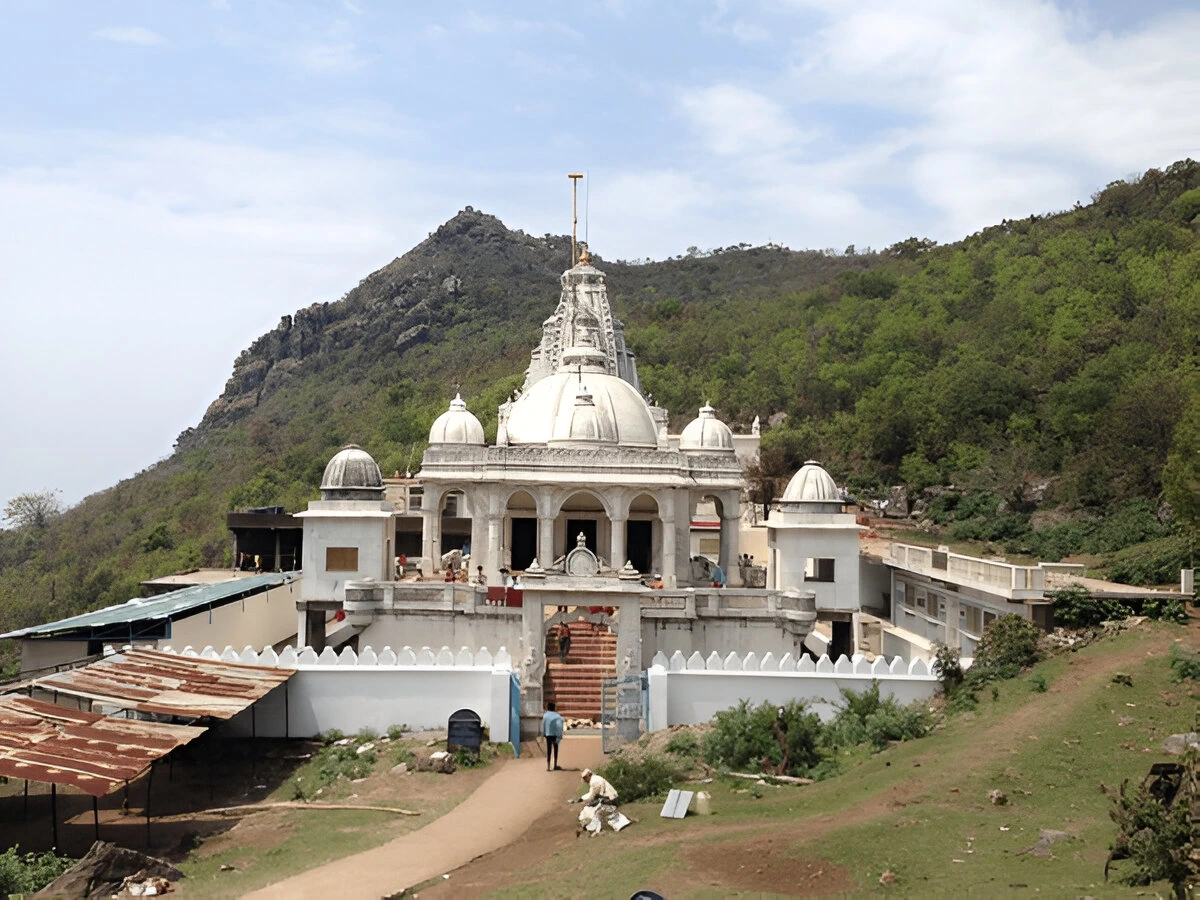
Discover the Ancient Wonders of Kulpakji: Kolanupaka Jain Temple in Telangana
Welcome to an in-depth exploration of one of India’s most revered ancient sites, the Kulpakji Temple, also known as the Kolanupaka Jain Temple in Telangana. This 2,000-year-old marvel stands as a testament to Jain heritage, attracting pilgrims, history enthusiasts, and tourists alike. If you’re planning a spiritual journey or a cultural trip, understanding the Kulpakji Temple timings, Aarti schedule, history, architecture, and practical tips is essential for a fulfilling visit.
In this comprehensive blog post, we’ll cover everything you need to know about the Kolanupaka Jain Temple, from its legendary origins to nearby attractions, ensuring your trip to this Telangana gem is seamless and enriching. Whether you’re searching for “Kulpakji Temple Telangana” or “best time to visit Kolanupaka Jain Temple,” this guide has you covered.
Kulpakji (Kolanupaka Jain Temple, Telangana) Timings and Aarti Schedule
Experience spiritual bliss at Kulpakji Jain Temple, one of the oldest Jain temples in Telangana, with smooth darshan timings and aarti schedule.
| Activity | Timing | Remarks |
|---|---|---|
| Temple Opening | 6:00 AM | Morning darshan begins |
| Morning Aarti | 6:30 AM – 7:30 AM | Special rituals during aarti |
| Mid-Morning Darshan | 7:30 AM – 12:00 PM | Open for devotees |
| Noon Break | 12:00 PM – 4:00 PM | Limited access, only for rituals |
| Evening Darshan | 4:00 PM – 7:30 PM | Devotees can visit and perform prayers |
| Evening Aarti | 6:30 PM – 7:00 PM | Popular time for devotees |
| Temple Closing | 7:30 PM | Temple gates closed |
| Special Poojas | As per festival schedule | Includes Mahavir Jayanti & other occasions |
| Prasad Distribution | After each aarti | Available for devotees |
| Annadanam (Food Offering) | 12:00 PM – 1:00 PM | Free meals for devotees |
Notes: Inner sanctum access may be restricted during poojas, requiring special cloths for participants. Jain temples emphasize quiet reflection, so plan to spend at least 1-2 hours.
“The soul comes alone and goes alone, no one companies it and no one becomes its mate.” – Lord Mahavira, a profound reminder of self-reliance echoed in the solitary peace of Kulpakji’s halls.
The Rich History of Kulpakji Temple: A Journey Through Time
The history of Kulpakji Temple dates back over 2,000 years, making it one of the oldest Jain temples in India. Believed to have been built during the 1st century CE by Bharata Chakravarti, the son of King Dushyanta and Queen Shakuntala from the epic Mahabharata, this temple has witnessed the rise and fall of empires. During the Rashtrakuta period (around the 9th-10th centuries), it emerged as a prominent center of Jainism, flourishing under royal patronage. The site served as the second capital of the Kalyani Chalukyas in the 11th century, and over 20 Jain inscriptions have been discovered here, highlighting its cultural importance.
Jainism faced a decline after 1276 AD due to invasions and shifts in regional power, but the temple was revived in 1711 AD with renovations, including the addition of a boundary wall around the Manikyaswami idol. Legends abound, such as the story of Mandodari, wife of Ravana, worshipping here, and the temple’s association with Bharat Chakravarti, after whom India (Bharat) is named. In the 20th century, it was extensively renovated in 1960 by philanthropist Rasiklal Manikchand Dhariwal of the Manikchand group, involving over 150 artisans from Rajasthan and Gujarat. Today, Kulpakji stands as a living heritage site, blending ancient roots with modern devotion, and is a must-visit for anyone exploring Telangana’s Jain temples.
Notes: Historical artifacts from the site are preserved in nearby museums, offering deeper insights. Visitors interested in archaeology should note the temple’s role in preserving Jain antiquities from pre-4th century times.
“Non-violence is the highest moral virtue.” – Lord Mahavira, emphasizing the core Jain principle of Ahimsa that permeates the serene atmosphere of Kulpakji.
Architectural Splendor: Idols, Carvings, and Design of Kolanupaka Jain Temple
The architecture of Kolanupaka Jain Temple is a masterpiece of South Indian style, primarily constructed from red sandstone with accents of white marble, creating a visually striking contrast. Spanning about 1 acre within a larger 20-acre complex that includes dharamshalas and guest houses, the temple features intricate wall carvings depicting Jain motifs, mythical scenes, and floral patterns. The original sanctum (garbhagruha) has been preserved, with a newer structure built around it, including ornate pillars and arches that showcase medieval craftsmanship. At the heart are three main idols: Lord Rishabhanatha (Adinath), carved from green stone with a bull symbol on the pedestal; Lord Neminatha in black stone; and the iconic Lord Mahavira, a 140 cm tall statue made from a single piece of jade, featuring a lion emblem.
Other notable idols include Simandar Swami, Mata Padmavathi, and eight additional Tirthankaras, each uniquely styled. A standout feature is the multi-headed cobra sculpture shielding Lord Parshvanatha like an umbrella, symbolizing protection and divinity. The interiors blend simplicity with elegance, using white marble for purity, while the exteriors reflect durability against time. This architectural blend makes Kulpakji a highlight for those studying Jain temple architecture in Telangana.
Notes: Photography is strictly prohibited inside to preserve the sanctity. The renovations incorporated elements from Rajasthan and Gujarat, adding a pan-Indian flair.
Rituals, Festivals, and Spiritual Practices at Kulpakji
Kulpakji Temple is alive with daily rituals that embody Jain principles of non-violence and devotion. Core practices include Abhishek (holy bath of idols), Pooja (worship with flowers and incense), and Aarti (lamp offerings with hymns). Devotees participate in these, often starting with morning darshan where a shield is temporarily removed from the Mahavira idol for 20-30 minutes, revealing its dark green hue. Festivals amplify the temple’s vibrancy: Mahavir Jayanti (April) celebrates Lord Mahavira’s birth with processions and special poojas; Paryushana (August-September) involves eight days of fasting and meditation; Kartik Purnima (November) draws pilgrims for prayers; and Deepavali features unique Jain rituals focusing on Lord Mahavira’s nirvana. These events see grand decorations, cultural programs, and communal feasts. For a better trip, align your visit with these festivals to witness the temple’s full spiritual essence, but prepare for larger crowds.
Keypoints:
- Daily rituals: Abhishek, Pooja, Aarti.
- Major festivals: Mahavir Jayanti, Paryushana, Kartik Purnima, Deepavali.
- Special darshan: Shield removal for Mahavira idol.
- Community involvement: Processions and meditations.
Notes: Non-Jains are welcome but must respect customs like removing shoes and maintaining silence. Prasad is strictly vegetarian, aligning with Jain dietary principles.
How to Reach Kulpakji Temple: Transportation Guide from Major Cities
- Location: Kolanupaka village, Yadadri Bhuvanagiri district, Telangana; 81 km from Hyderabad, 83 km from Warangal.
- By Road:
- Take Hyderabad-Warangal Highway (NH163), divert at Aler town, 6 km to temple.
- Frequent buses from Hyderabad’s Mahatma Gandhi Bus Station to Aler or Kolanupaka; bus stand 0.5 km from temple.
- Car rental from Hyderabad offers flexibility; 2-hour drive.
- By Rail:
- Nearest station: Aler Railway Station (8-15 km away).
- Auto-rickshaws or taxis available from Aler to temple.
- By Air:
- Nearest airport: Rajiv Gandhi International Airport, Hyderabad (82-100 km).
- Hire cabs or use app-based services (Uber/Ola) for a 2-hour drive.
- Local Transport: Autos or taxis from Aler or nearby towns; minimal connectivity, so plan ahead.
- Navigation: GPS coordinates ~17.6286° N, 79.0986° E for accurate routing.
Best Time to Visit Kulpakji Temple for an Optimal Experience
- Ideal Season: October to March; pleasant weather (15°C-30°C).
- Festivals: Mahavir Jayanti (April), Paryushana (August-September), Kartik Purnima (November), Deepavali for vibrant celebrations.
- Avoid:
- Summers (April-June): Highs up to 40°C, hot for outdoor exploration.
- Monsoons (July-September): Risk of road disruptions due to rain.
- Preferred Days: Weekdays for fewer crowds; weekends busier.
- Weather Tip: Winters require light woolens for early mornings; carry sunscreen year-round.
Essential Tips for Visitors: Making Your Trip to Kulpakji Memorable and Respectful
Connectivity: Download offline maps due to patchy rural network.
Dress Code: Modest attire; men in dhoti-kurta or pants-shirt, women in sarees or salwar-kameez.
Temple Rules:
Remove footwear before entering.
Maintain silence to respect sacred space.
No photography inside the temple.
No leather items (belts, bags) allowed.
Prasad: Offer only Jain-approved vegetarian items (no root vegetables or non-veg).
Visit Duration: Plan 1-2 hours for darshan and exploration.
Family Travel: Educate children on Jain values like Ahimsa (non-violence).
Accessibility: Limited wheelchair access due to ancient steps; inquire in advance.
Hydration: Carry water, especially in warmer months.
Parking: Use designated areas to avoid fines.
Donations: Contribute to temple upkeep; supports free meals for devotees.
Nearby Attractions: Extending Your Telangana Adventure Beyond Kulpakji
No trip to Kulpakji is complete without exploring nearby attractions that complement the temple’s spiritual vibe. Just 1.5 km away is the Sri Veeranarayana Temple, a historic Hindu site with intricate carvings. The Sri Someshwara Temple, about 2 km distant, is an 800-year-old Chalukya-era marvel featuring an archaeological museum with artifacts from the region, including Jain relics. For nature lovers, Yadagirigutta (Yadadri Temple), a hilltop Narasimha Swamy shrine, is around 30 km away, offering panoramic views and trekking. Warangal Fort, 83 km east, showcases Kakatiya architecture with its iconic gateways. These spots make for a perfect day trip circuit, blending Jain, Hindu, and historical elements. Search for “nearby places to Kolanupaka Jain Temple” to plan a multi-site itinerary.
Keypoints:
- Sri Veeranarayana Temple: 1.5 km, Hindu architecture.
- Sri Someshwara Temple: 2 km, with museum.
- Yadagirigutta: 30 km, hilltop shrine.
- Warangal Fort: 83 km, historical fort.
Notes: Combine visits in one day via car for efficiency. Entry to museums may require nominal fees.
Accommodation and Dining Options Near Kulpakji Temple
For overnight stays, Kulpakji offers convenient options within its complex. The temple’s dharamshala provides basic rooms for pilgrims, with a newer facility boasting 82 rooms equipped with modern amenities like AC and attached baths. Rates are affordable, starting from INR 500-1000 per night, and bookings can be made via temple authorities. Nearby hotels in Aler or Yadadri offer mid-range stays, such as Haritha Hotel Yadadri (government-run) with comfortable rooms around INR 1500-3000. For dining, the temple’s bhojanalaya serves free Jain vegetarian meals (breakfast, lunch, dinner) to up to 100 people daily, expanding to 600 during festivals – featuring sattvic dishes like dal, rice, and sabzi without onions or garlic. Local eateries in Kolanupaka provide South Indian fare, but stick to vegetarian options to respect the area. Hyderabad’s proximity allows day trips, but staying overnight immerses you in the peaceful rural setting.
Keypoints:
- Dharamshala: Temple-run, 82 rooms, budget-friendly.
- Hotels: Haritha Hotel in Yadadri, mid-range.
- Dining: Free temple meals, vegetarian focus.
- Bookings: Contact temple for dharamshala.
Notes: Meals are simple and nutritious; inform in advance for special dietary needs. ATMs are limited, so carry cash.
Conclusion: Why Kulpakji Should Be on Your Telangana Travel Bucket List
In wrapping up this guide to Kulpakji Temple, it’s clear why this ancient site deserves a spot in your travel plans. From its profound history and stunning architecture to the serene rituals and practical visitor tips, Kolanupaka Jain Temple offers a holistic experience of spirituality and culture in Telangana. Whether you’re drawn by the Kulpakji Temple timings and Aarti schedule or the chance to explore nearby attractions, a visit here promises inner peace and lasting memories.
FAQs about Kulpakji (Kolanupaka Jain Temple, Telangana)
1. What are the daily darshan timings of Kulpakji Jain Temple in Telangana?
Kulpakji Jain Temple in Kolanupaka opens daily at 6:00 AM and closes by 7:30 PM. Devotees can visit during morning hours from 6:00 AM to 12:00 PM and evening hours from 4:00 PM to 7:30 PM, with a short afternoon break.
2. What time is the morning aarti performed at Kulpakji Jain Temple?
The morning aarti at Kulpakji Jain Temple takes place between 6:30 AM and 7:30 AM. This ritual marks the beginning of the day and is attended by many devotees who seek spiritual blessings early in the morning.
3. When does the evening aarti take place at Kolanupaka Jain Temple?
The evening aarti is conducted daily from 6:30 PM to 7:00 PM. This time is considered highly auspicious, as devotees gather to participate in prayers and rituals before the temple closes.
4. Does the temple remain closed during the afternoon?
Yes, the Kulpakji Temple remains closed between 12:00 PM and 4:00 PM. This break is observed for temple maintenance and preparation for evening rituals.
5. What is the significance of Kulpakji Jain Temple?
Kulpakji Jain Temple, located in Kolanupaka, is one of the oldest Jain temples in South India, believed to be more than 2,000 years old. It houses the idol of Lord Rishabhanatha (Adinatha) and is a sacred pilgrimage site for the Jain community.
6. Are there any special poojas or festivals celebrated at Kulpakji Temple?
Yes, special poojas and grand celebrations are organized during important Jain festivals such as Mahavir Jayanti, Paryushana, and Diwali. On these days, the temple is beautifully decorated and devotees arrive in large numbers.
7. Is there any provision for Annadanam (free food) at the temple?
Yes, the temple offers Annadanam (free food) to devotees between 12:00 PM and 1:00 PM daily. This tradition reflects the Jain principle of service and compassion.
8. How can visitors reach Kulpakji Jain Temple?
Kulpakji Jain Temple is located in Kolanupaka village, Telangana, about 80 km from Hyderabad and 12 km from Aler Railway Station. Visitors can reach by road via buses, taxis, or private vehicles.
9. Is photography allowed inside the Kulpakji Jain Temple?
Photography inside the sanctum sanctorum is generally not allowed as a mark of respect to the deity and temple sanctity. However, visitors can capture the temple’s outer architecture.
10. What is the dress code for visiting Kolanupaka Jain Temple?
While there is no strict dress code, visitors are expected to wear modest and traditional attire as a sign of respect to the holy place. Devotees are advised to avoid western or revealing clothes inside the temple premises.