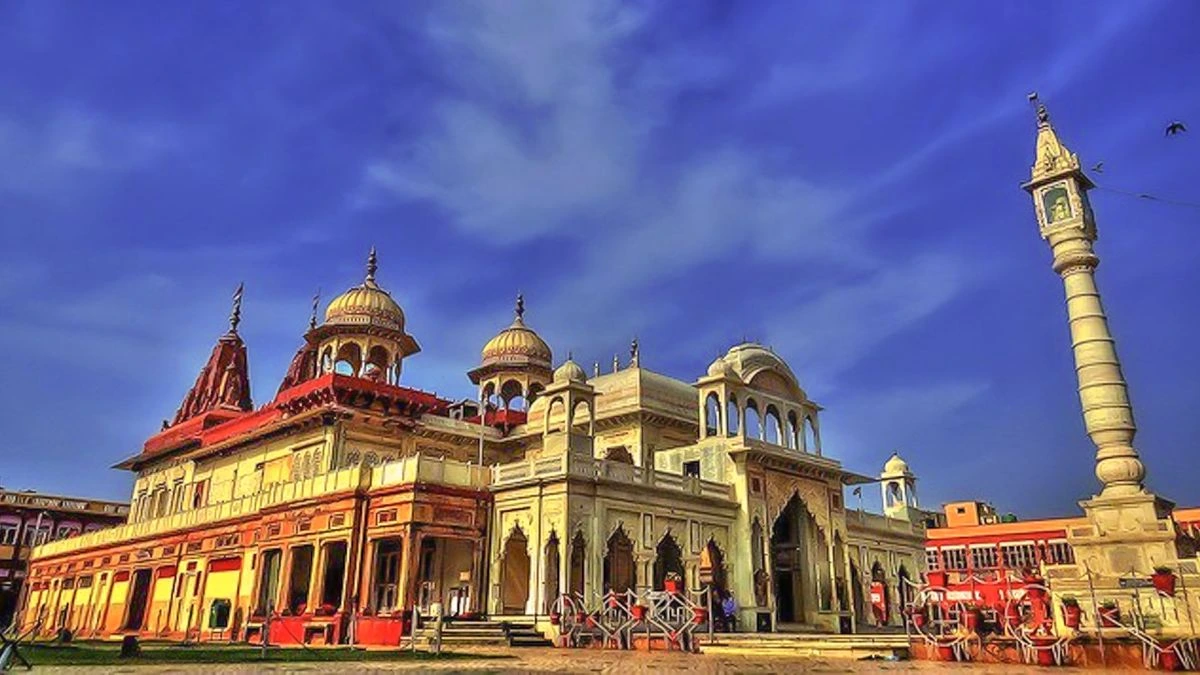
Nestled in the serene landscapes of Rajasthan, the Shri Mahavirji Temple in Karauli district is a revered pilgrimage site for Jains and a cultural gem for travelers seeking spiritual and architectural splendor. Dedicated to Lord Mahavira, the 24th Tirthankara of Jainism, this temple is renowned for its miraculous history, stunning architecture, and vibrant festivals.
This comprehensive guide covers everything you need to know about the Shri Mahavirji Temple, including its timings, aarti schedule, history, attractions, travel tips, and more, ensuring a fulfilling visit.
Note: Plan your visit during cooler months (October–March) for a comfortable experience, or during Mahavir Jayanti for a vibrant festival atmosphere.
Shri Mahavirji Temple (Rajasthan) Timings And Aarti Schedule
Below is the general schedule for temple access and aarti ceremonies, ensuring devotees can plan their visit to participate in these sacred rituals.
| Activity | Timings | Notes |
|---|---|---|
| Temple Opening | 5:00 AM | Morning darshan begins |
| Morning Aarti | 5:30 AM – 6:00 AM | Followed by general darshan |
| Abhishek / Special Pooja | 6:00 AM – 8:00 AM | Can be booked in advance |
| Morning Darshan | 6:00 AM – 12:00 PM | Open to all devotees |
| Midday Aarti | 12:00 PM – 12:30 PM | Short prayer and offering |
| Afternoon Darshan | 12:30 PM – 5:00 PM | Regular temple visit |
| Evening Aarti | 6:30 PM – 7:00 PM | Main evening prayer |
| Temple Closing | 8:00 PM | Evening darshan ends |
| Special Days / Festivals | Sunrise – 8:00 PM | Timings may vary; check in advance |
Note:
- Arrive 15–20 minutes early for aarti to secure a good spot and immerse yourself in the devotional atmosphere. Photography may be restricted during rituals, so check with temple authorities.
- Timings are indicative and may vary during festivals or special occasions.
History and Significance of Shri Mahavirji Temple
The Shri Mahavirji Temple, also known as Digambar Jain Atishaya Kshetra, holds immense spiritual significance, particularly for the Jain community. The temple’s history dates back over 400 years when a miraculous copper-colored idol of Lord Mahavira was unearthed in Chandanpur village. According to legend, a cow (believed to be a divine Kamadhenu) poured milk daily on a mound, prompting villagers to excavate the site. To their astonishment, they discovered the ancient idol, which refused to budge until a local tanner was summoned to move it. This divine occurrence led to the construction of the temple by Shri Amar Chand Bilala of Jaipur, transforming the village into a major pilgrimage site, renamed Shri Mahavirji.
The temple has been renovated multiple times, notably in the 17th and 19th centuries, blending ancient and modern Jain architecture. Its spiritual aura and the belief that prayers offered here are answered make it a beacon of faith for Jains and other communities, including Hindus, Meenas, and Gujjars. The temple is situated on the banks of the Gambhir River, adding to its serene ambiance.
Note: The temple’s history is steeped in miracles, making it a must-visit for those interested in Jainism’s spiritual legacy. Respect local customs, such as removing shoes and maintaining silence, during your visit.
“Shri Mahavirji Temple stands as a testament to the power of faith, where a divine miracle transformed a humble village into a sacred pilgrimage site.” – Anonymous Jain Devotee
Architectural Marvels of Shri Mahavirji Temple
The Shri Mahavirji Temple is a stunning blend of Mughal and Jain architectural styles, constructed with red sandstone and white marble. The temple complex features intricately carved domes, ornate arches, and a 52-foot-high Manastambha (pillar of pride) adorned with statues of four Tirthankaras facing all directions. The main shrine houses the coral-colored sandstone idol of Lord Mahavira in the Padmasana posture, flanked by idols of Lord Pushpadanta and Lord Rishabdev. A 32-foot-high statue of Lord Shantinath, the 16th Tirthankara, is another highlight, captivating visitors with its grandeur.
The temple’s interiors are adorned with golden oil paintings, murals, and marvelous motifs on pillars and ceilings, creating a serene and sanctified atmosphere. The complex includes smaller shrines like the Kirti Ashram Chaityalaya and the Bhagwan Parshvanath Jinalaya (Kanch Ka Mandir), known for its magnificent glasswork. The temple is surrounded by dharmashalas (guest houses) called the Katla, providing accommodation for pilgrims.
Note: Spend time exploring the smaller shrines and the underground meditation center, which houses rare gemstone idols. Dress modestly, covering shoulders and knees, to respect the temple’s sanctity.
“The architectural splendor of Shri Mahavirji Temple reflects the harmony of faith and artistry, inviting all to bask in its divine beauty.” – Local Historian
Festivals and Events at Shri Mahavirji Temple
The temple is a hub of vibrant celebrations, with the annual Mahavir Jayanti fair (Lakkhi Mela) being the most significant. Held in April around Mahavir Jayanti, this five-day festival (starting two days before and ending two days after) attracts thousands of devotees and tourists. The fair features a colorful Rath Yatra (chariot procession) pulled by bullock carts, Jain sadhus delivering discourses, and cultural performances showcasing Rajasthan’s heritage. Other festivals include Diwali and smaller Jain rituals throughout the year.
Key Points:
- Mahavir Jayanti fair is held in April, featuring a grand Rath Yatra.
- The festival attracts diverse communities, including Jains, Hindus, Meenas, and Gujjars.
- Jain sadhus offer spiritual discourses during the fair.
- Cultural performances and local markets add to the festive vibrancy.
Note: Book accommodations in advance during Mahavir Jayanti, as the temple and surrounding areas see a massive influx of visitors. Carry cash for shopping at the fair’s markets.
How to Reach Shri Mahavirji Temple
The Shri Mahavirji Temple is well-connected by rail, road, and air, making it accessible for pilgrims and tourists from across India and beyond.
By Train
- Nearest Railway Station: Shri Mahavirji Railway Station (SMBJ), 7 km from the temple, lies on the Delhi–Mumbai Western Railway line. Major trains, such as the Haldighati Passenger and Avadh Express, stop here.
- Travel Tip: Free shuttle buses run from the station to the temple every 10 minutes, making it convenient for pilgrims.
By Road
- From Jaipur: 140–160 km, approximately 2–3 hours via NH8, Rajasthan State Highway 25, and local roads.
- From Delhi: 300 km, about 5–6 hours via NH8, passing through Gurgaon, Alwar, and Nadoti.
- From Agra: 175 km, around 3–4 hours via NH11.
- Bus Services: Rajasthan Roadways operates buses from Jaipur, Kota, Gwalior, and Sawai Madhopur. The Shri Mahavirji Bus Stand, 2 km from the temple, connects to nearby destinations like Nakodaji and Kailadevi.
By Air
- Nearest Airport: Jaipur International Airport (140–160 km away). Hire a taxi or take a bus to reach the temple.
- Travel Tip: Avoid the Mathura–Bharatpur route, as it is less developed. Opt for the Jaipur–Sikar–Agra–Bikaner (NH11) route for a smoother journey.
Note: Check train schedules on the Indian Railways website and book tickets in advance during festival seasons. Carry a map or GPS for the final 28 km from Nadoti to the temple, as this stretch is less developed.
Accommodation and Dining Options
The temple complex is surrounded by dharmashalas (guest houses) offering affordable stays for pilgrims, with prices ranging from ₹25 to ₹3,000 per night. Deluxe rooms, costing around ₹600, provide basic amenities for a comfortable stay. Online booking is available through the official website, shreemahaveerji.com. For a more luxurious experience, hotels near Karauli City Palace or Hindaun City (20–30 km away) offer modern facilities.
Dining options include temple-run thali restaurants serving Jain-friendly vegetarian meals, such as dal, roti, rice, and sabzi. Local eateries near the temple offer Rajasthani specialties like kachoris, kadhai milk, and churan (digestive powder), which are must-tries. During the Mahavir Jayanti fair, food stalls serve a variety of traditional delicacies.
Key Points:
- Dharmashalas offer budget-friendly accommodations, bookable online.
- Deluxe rooms are available for ₹600 per night.
- Jain-friendly vegetarian meals are served at temple thali restaurants.
- Local breakfast options like kachoris and churan are popular.
Note: Pre-book dharmashalas during festivals to avoid last-minute hassles. Avoid non-vegetarian food and alcohol, as they are prohibited in this sacred area.
Things to Do and See Near Shri Mahavirji Temple
Beyond the main temple, the Shri Mahavirji complex and surrounding areas offer several attractions for visitors:
- Kanch Ka Mandir (Bhagwan Parshvanath Jinalaya): A smaller temple known for its stunning glasswork, offering a peaceful retreat for meditation.
- Kirti Ashram Chaityalaya: A quaint temple within the complex, ideal for quiet contemplation.
- Underground Meditation Center: Open from 11:00 AM to 12:00 PM, it houses over 100 gemstone idols, including those made of diamond and ruby.
- Local Market: Located behind the temple, this market sells artificial jewelry, souvenirs, and churan, perfect for a leisurely stroll.
- Gambhir River: Enjoy the serene views of the riverbank, especially during sunset.
- Nearby Attractions: Visit Karauli City Palace (30 km), Kaila Devi Temple (40 km), or Timangarh Fort (50 km) for a day trip.
Note: Allocate 2–3 hours to explore the temple complex and an additional day for nearby attractions. Wear comfortable shoes for walking around the temple and market.
Quote: “A visit to Shri Mahavirji Temple is not just a journey of faith but a celebration of Rajasthan’s rich cultural tapestry.” – Travel Blogger
Travel Tips for a Memorable Visit
To ensure a smooth and enriching trip to Shri Mahavirji Temple, consider the following tips:
- Best Time to Visit: October to March for pleasant weather; April for Mahavir Jayanti festivities.
- Dress Code: Wear modest clothing covering shoulders and knees. Avoid leather items, as they are prohibited in Jain temples.
- Photography: Check with temple authorities before taking photos, especially during aarti or inside the meditation center.
- Cash and Connectivity: Carry sufficient cash, as ATMs may be limited in Chandanpur. Mobile networks are reliable, but Wi-Fi is scarce.
- Health Precautions: Stay hydrated and carry sunscreen, especially during summer visits. Follow Jain dietary norms if dining at temple facilities.
- Local Etiquette: Maintain silence during prayers and respect the temple’s sanctity by removing shoes and avoiding loud conversations.
Note: Engage with local guides for insightful stories about the temple’s history and miracles. Be mindful of festival crowds and plan your itinerary accordingly.
Why Visit Shri Mahavirji Temple?
The Shri Mahavirji Temple is more than a religious site; it’s a cultural and spiritual haven that embodies Rajasthan’s diversity and heritage. Whether you’re a Jain devotee seeking blessings, a history buff marveling at ancient architecture, or a traveler exploring Rajasthan’s hidden gems, this temple offers a unique experience. Its miraculous history, vibrant festivals, and serene ambiance make it a must-visit destination.
Key Points:
- The temple is a blend of spirituality, history, and architectural beauty.
- It attracts diverse communities, fostering emotional integration.
- The Mahavir Jayanti fair is a cultural extravaganza not to be missed.
- Ideal for day trips from Jaipur, Agra, or Delhi.
Note: Combine your visit with other Rajasthan attractions like Jaipur’s Hawa Mahal or Ranthambore National Park for a comprehensive travel experience.
Conclusion
The Shri Mahavirji Temple in Rajasthan is a sacred sanctuary where faith, history, and culture converge. From its miraculous origins to its breathtaking architecture and vibrant festivals, the temple offers a profound experience for pilgrims and tourists alike. By understanding its timings, aarti schedule, and travel logistics,
you can plan a fulfilling visit that leaves you spiritually enriched and culturally inspired. Whether you’re drawn by devotion or curiosity, Shri Mahavirji promises a journey of peace and discovery.
FAQs – Shri Mahavirji Temple (Rajasthan)
- What are the visiting hours of Shri Mahavirji Temple in Rajasthan?
Shri Mahavirji Temple is generally open from 5:00 AM to 8:00 PM daily. Devotees can attend morning and evening aartis, and special poojas are conducted during festivals. Visiting hours may vary slightly on special occasions. - When is the morning aarti at Shri Mahavirji Temple?
The morning aarti usually starts at 5:30 AM and ends at 6:00 AM, providing devotees an opportunity for early spiritual connection and blessings. - What is the timing for evening aarti at Shri Mahavirji Temple?
The evening aarti is performed from 6:30 PM to 7:00 PM, offering a serene and spiritual experience to devotees during sunset. - Can I attend special poojas or abhishek at Shri Mahavirji Temple?
Yes, devotees can attend abhishek and special poojas conducted between 6:00 AM and 8:00 AM. Prior booking is recommended during peak seasons. - Is there any variation in temple timings during festivals?
Yes, on festivals and special occasions, the temple timings may extend from sunrise to 8:00 PM, with additional aartis and rituals to accommodate large numbers of devotees. - Are there specific timings for darshan at Shri Mahavirji Temple?
Morning darshan is from 6:00 AM to 12:00 PM, while afternoon darshan is available from 12:30 PM to 5:00 PM, allowing flexibility for visitors throughout the day. - How can I reach Shri Mahavirji Temple in Rajasthan?
Shri Mahavirji Temple is located in Karauli district of Rajasthan and is well connected by road, rail, and nearby airports. Local transport options are available for easy access to the temple. - What facilities are available for devotees at Shri Mahavirji Temple?
The temple provides drinking water, cloakrooms, prasadam counters, and seating areas for devotees. Guidance is also available for performing special rituals and poojas. - Can foreigners or non-Hindus visit Shri Mahavirji Temple?
Yes, the temple welcomes all visitors, including foreigners. Devotees and tourists are requested to maintain decorum and follow the temple rules. - What is the best time to visit Shri Mahavirji Temple for a peaceful experience?
The early morning hours (5:00 AM – 7:00 AM) are ideal for a tranquil darshan and to experience the spiritual atmosphere without large crowds. Evening aarti is also recommended for a divine experience.