A Complete Guide to Karnataka’s Thousand Pillars Marvel
Welcome to the enchanting Mudbidri Jain Temple, also known as Saavira Kambada Basadi or the Thousand Pillars Temple, located in Moodbidri, Karnataka. Renowned as the “Jain Kashi of South India,” this ancient Jain pilgrimage site is a masterpiece of architecture and spirituality. If you’re searching for “Mudbidri Jain Temple timings” or “Thousand Pillars Temple history,”
this comprehensive guide covers everything you need for a memorable visit. From temple timings and Aarti schedules to history, architecture, how to reach, festivals, nearby attractions, and practical tips, this blog ensures a seamless trip. Ideal for spiritual seekers, history buffs, and architecture enthusiasts, Moodbidri’s 18 Jain Basadis make it a must-visit destination.
Notes: Allow 1-2 hours to explore the temple fully. Check festival schedules for enhanced experiences like Mahavir Jayanti.
Mudbidri Jain Temple (Karnataka) Timings and Aarti Schedule
The Mudbidri Jain Temple, also known as the Thousand Pillar Temple (Saavira Kambada Basadi), is one of the most prominent Jain temples in Karnataka. Below are the detailed temple timings and arti schedule for devotees and visitors.
| Day | Temple Opening Time | Temple Closing Time | Morning Aarti | Evening Aarti |
|---|---|---|---|---|
| Monday | 6:00 AM | 8:00 PM | 7:00 AM | 7:00 PM |
| Tuesday | 6:00 AM | 8:00 PM | 7:00 AM | 7:00 PM |
| Wednesday | 6:00 AM | 8:00 PM | 7:00 AM | 7:00 PM |
| Thursday | 6:00 AM | 8:00 PM | 7:00 AM | 7:00 PM |
| Friday | 6:00 AM | 8:00 PM | 7:00 AM | 7:00 PM |
| Saturday | 6:00 AM | 8:00 PM | 7:00 AM | 7:00 PM |
| Sunday | 6:00 AM | 8:00 PM | 7:00 AM | 7:00 PM |
Keypoints:
- Open: 9 AM–8 PM; free entry.
- Aarti: ~7:45 PM; Abhishek on select mornings.
- No Darshan booking required.
Notes: Bring flowers or fruits for Aarti offerings. Weekdays are quieter for meditation.
“The basadis of Moodbidri are a treasure house of stone inscriptions, architecture, and poetry, offering a serene spiritual aura.”
The Rich History of Mudbidri Jain Temple: Tracing Jain Roots in Karnataka
Built in 1430 AD by Devaraya Wadiyar of the Vijayanagara Empire, the Mudbidri Jain Temple, dedicated to Lord Chandranatha, took 31 years to complete. Moodbidri flourished as a Jain hub from the 14th to 16th centuries, earning the title “Jaina Kashi.” Renovated in 1962, the temple preserves its historical charm. Stone inscriptions and palm-leaf manuscripts reveal tales of royal patronage and Jain scholarship. The town’s name, from “Mooda” (east) and “Bidri” (bamboo), reflects its lush origins.
Keypoints:
- Constructed in 1430 AD; renovated in 1962.
- Part of Moodbidri’s 18 Jain Basadis.
- Houses historical inscriptions and manuscripts.
Notes: Look for epigraphs near the entrance for Vijayanagara-era insights. Visit during Mahamastakabhisheka (nearby Shravanabelagola) for vibrant celebrations.
“Moodabidri was a center of Jain religion, culture, art, and architecture during the 14th–16th centuries, earning its name as the ‘Jaina Kashi’ of the South.”
Architectural Wonders of the Thousand Pillars Temple: A Masterpiece in Stone
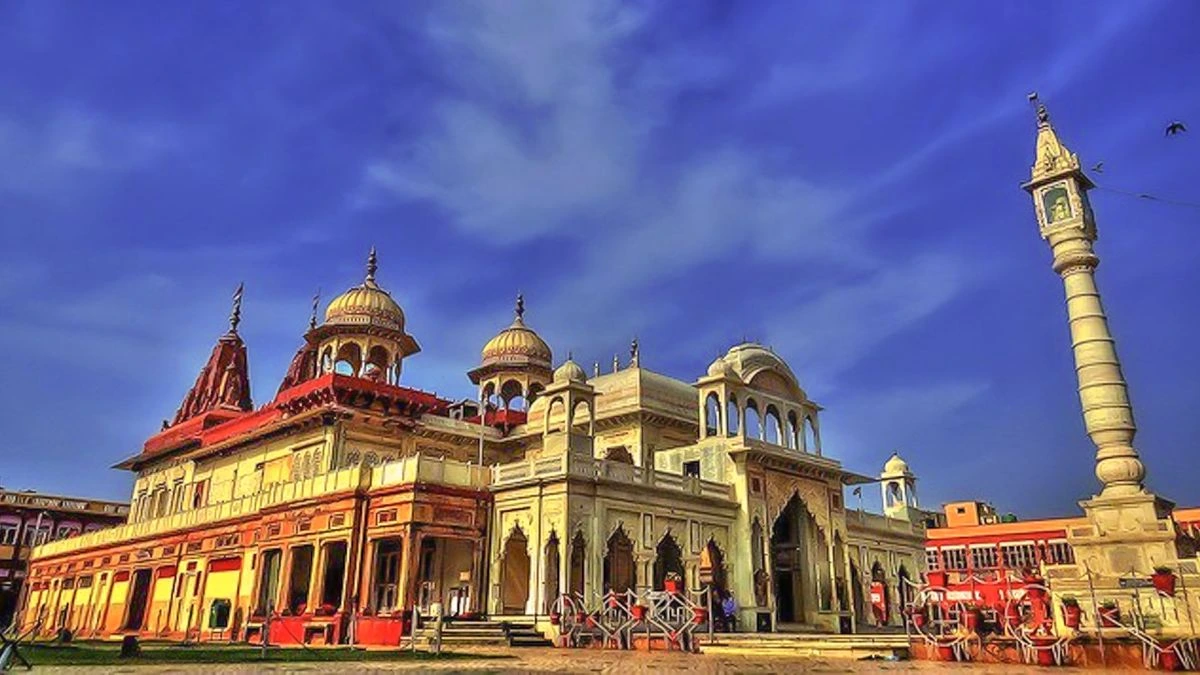
The temple’s Vijayanagara-style architecture features a 50-foot Manastambha (stone column) and over 1000 uniquely carved granite pillars. Each pillar showcases mythological scenes, flora, fauna, and Jain deities. The sanctum houses Lord Chandranatha’s idol, with murals blending Jain and Hindu motifs. Granite lower levels and wooden upper sections create a harmonious design, illuminated by open courtyards.
Keypoints:
- 1000 unique pillars, no two alike.
- 50-foot Manastambha at the entrance.
- Syncretic murals with Jain and Hindu elements.
Notes: Photography is restricted inside; explore pillars closely for Purana stories. Wear comfortable socks as shoes are removed.
How to Reach Mudbidri Jain Temple: Seamless Travel from Mangalore and Beyond
Reaching Mudbidri Jain Temple is straightforward, especially from Mangalore, just 35 km away. The most convenient option is by road—hire a cab or taxi for a comfortable 45-minute drive, costing around INR 800-1200 one-way. Public buses from Mangalore Bus Stand to Moodbidri operate frequently, with express buses taking about 45 minutes for INR 50-100. From the Moodbidri Bus Stand, the temple is a short 1-2 km auto-rickshaw ride (INR 20-50).
If flying in, Mangalore International Airport (IXE) is the nearest, 25 km from Moodbidri—taxis from the airport cost INR 600-800. Train travelers can alight at Mangalore Junction Railway Station and proceed by bus or cab. From Bangalore, it’s a 350 km drive via NH75, taking 7-8 hours, or an overnight bus/train combo.
For eco-friendly options, rent a bike from Mangalore (INR 500/day) for scenic rides through lush landscapes. GPS coordinates: 13.0686° N, 74.9933° E—use apps like Google Maps for precise navigation.
Keypoints:
- From Mangalore: 35 km, 45 mins by bus/cab.
- Nearest airport: Mangalore (25 km); railway: Mangalore Junction.
- Budget options: Public buses; luxury: Private taxis.
Notes: Roads are well-maintained, but monsoon season (June-September) may cause delays due to rain. Carry water and snacks for the journey, as rural stretches have limited stops.
Best Time to Visit Mudbidri Jain Temple: Weather and Festivals for an Ideal Trip
The best time to visit Mudbidri Jain Temple is during the winter months from October to March, when temperatures range from 20-30°C, offering pleasant weather for exploration. This period avoids the summer heat (April-May, up to 35°C) and heavy monsoons (June-September), which can make roads slippery and limit outdoor activities.
Festivals add vibrancy: Visit during Mahavir Jayanti (April) for special Aartis and processions, or Diwali (October-November) for illuminated celebrations. The Mahamastakabhisheka at nearby Shravanabelagola (every 12 years) draws crowds to Moodbidri too. Shoulder seasons like post-monsoon (October) bring lush greenery, enhancing the temple’s scenic backdrop.
Keypoints:
- Ideal: October-March for cool weather.
- Avoid: Monsoons for safety.
- Festivals: Mahavir Jayanti, Diwali for cultural immersion.
Notes: Pack light cotton clothes for winters; umbrellas for unexpected showers. Early mornings (post-9 AM opening) offer cooler temperatures and fewer visitors.
“Non-violence is the highest religion.” – Lord Mahavira, emphasizing Jain principles that resonate in temples like Mudbidri.
Cultural Significance: Jainism’s Legacy in Moodbidri
Moodbidri’s 18 Basadis, lakes, and roads reflect Jain cosmology’s reverence for the number 18. The temple is a hub for Digambara Jain practices, hosting rituals like Ratnatraya (right faith, knowledge, conduct). Ancient texts like the Dhavala, preserved here, highlight Jain scholarship. Community festivals strengthen cultural bonds.
Keypoints:
- 18 Basadis symbolize Jain cosmology.
- Hub for Digambara Jain rituals.
- Preserves texts like Dhavala.
Notes: Engage with priests for ritual insights. Respect local customs during community events.
“Non-violence is the highest religion.” – Lord Mahavira, resonating in Mudbidri’s peaceful ambiance.
Nearby Attractions: Enrich Your Karnataka Journey
No trip to Mudbidri Jain Temple is complete without exploring nearby attractions that complement its spiritual vibe.
- Moodbidri’s 17 Other Jain Basadis: Explore temples like Guru Basadi with ancient manuscripts.
- Karkala Gomateshwara Statue (20 km): 42-foot monolithic Bahubali with scenic views.
- Udupi Krishna Temple (52 km): Famous for devotion and nearby beaches.
- Dharmasthala Manjunatha Temple (51 km): Blends Jain and Hindu elements.
- Kateel Durgaparameshwari Temple (25 km): Scenic spot with waterfalls.
- Mangalore Beaches (35 km): Coastal relaxation and vegetarian dining.
Notes: Combine with Mangalore for shopping. Local buses are budget-friendly; eateries serve Jain meals.
Practical Tips for a Respectful Visit
To ensure a respectful and enjoyable visit to Mudbidri Jain Temple, follow these tips
- Dress Modestly: Cover shoulders and knees; women cover heads; avoid leather.
- Temple Etiquette: Remove shoes, maintain silence, don’t touch idols.
- Photography Rules: Allowed outside, restricted inside.
- Essentials: Carry water; vegetarian food available nearby.
- Accessibility: Basic ramps; inform for wheelchairs.
- Guides and Stays: Hire local guides (INR 200-500); budget guesthouses (INR 1000-2000/night).
Notes: Avoid peak hours for calm visits. Explain etiquette to kids beforehand.
Local Cuisine and Dining: Savoring Jain-Friendly Flavors
Moodbidri offers vegetarian South Indian cuisine, ideal for Jain diets (no onion/garlic). Try idli, dosa, and filter coffee at local eateries like Hotel Vinayaka. Mangalore’s seafood is avoidable for Jains, but vegetarian thalis are plentiful. Street food near the temple includes fresh coconut water and banana fritters.
Keypoints:
- Jain-friendly vegetarian food available.
- Local eateries: Idli, dosa, thalis.
- Avoid non-vegetarian options in Mangalore.
Notes: Carry snacks for rural stretches. Confirm Jain-specific preparations at restaurants.
Accommodation Options: Where to Stay Near Mudbidri
Moodbidri has budget guesthouses (INR 1000-2000/night) like Jain Bhavan, offering basic amenities. For luxury, Mangalore’s hotels (35 km) like The Ocean Pearl (INR 4000-6000/night) provide comfort. Homestays in Karkala offer cultural immersion. Book in advance during festivals.
Keypoints:
- Budget: Moodbidri guesthouses.
- Luxury: Mangalore hotels.
- Homestays: Karkala for local vibe.
Notes: Check for AC rooms in summer. Festival seasons require early bookings.
Spiritual Practices and Rituals: Immersing in Jain Traditions
Visitors can participate in Jain rituals like Prakshal (feet washing of idols), Samayik (48-minute meditation), and Mangal Divo during Aarti. Monks may offer discourses on ahimsa (non-violence) and karma. Annual events like Paryushana (August-September) involve fasting and prayers, deepening spiritual connections.
Keypoints:
- Rituals: Prakshal, Samayik, Mangal Divo.
- Paryushana: Fasting and prayers in August-September.
- Monks offer spiritual discourses.
Notes: Seek priest permission for ritual participation. Dress in white for formal ceremonies.
Local Markets and Shopping: Souvenirs and Crafts
Moodbidri’s local markets offer Jain religious artifacts, brass idols, and sandalwood carvings. Buy handwoven silk sarees or coconut shell crafts as souvenirs. Mangalore’s Hampankatta Market (35 km) sells spices, cashews, and Udupi-style kitchenware. Bargaining is common.
Keypoints:
- Moodbidri markets: Jain artifacts, sandalwood carvings.
- Mangalore: Spices, cashews, silk sarees.
- Bargaining expected in local markets.
Notes: Avoid plastic souvenirs for eco-friendly choices. Check authenticity of religious items.
Conclusion: Why Mudbidri Jain Temple is a Must-Visit
In wrapping up this guide to Mudbidri Jain Temple, it’s clear why this site captivates travelers worldwide. From its timeless timings and Aarti schedule to historical depths and architectural splendor, it offers a holistic experience for better trips. Whether you’re drawn by “Mudbidri Jain Temple Karnataka” searches or seeking spiritual solace, this Thousand Pillars marvel promises serenity amid Karnataka’s lush landscapes. Plan your visit today—embrace the peace, history, and culture that define Jainism’s enduring legacy.
10 Detailed FAQs on Mudbidri Jain Temple
Frequently Asked Questions (FAQs)
Q1. What are the opening and closing timings of Mudbidri Jain Temple?
The Mudbidri Jain Temple, also known as Saavira Kambada Basadi, opens at 6:00 AM and closes at 8:00 PM daily.
Q2. When are the aarti timings at Mudbidri Jain Temple?
The temple conducts Morning Aarti at 7:00 AM and Evening Aarti at 7:00 PM every day.
Q3. Where is Mudbidri Jain Temple located?
Mudbidri Jain Temple is situated in Mudbidri town, Dakshina Kannada district, Karnataka, around 35 km from Mangaluru.
Q4. Why is Mudbidri Jain Temple also called Thousand Pillar Temple?
The temple is called Saavira Kambada Basadi or Thousand Pillar Temple because it has more than a thousand beautifully carved pillars, each unique in design.
Q5. Is there any entry fee for visiting Mudbidri Jain Temple?
There is usually no entry fee, but donations are accepted for temple maintenance and rituals.
Q6. What is the best time to visit Mudbidri Jain Temple?
The best time to visit is during early mornings or evenings for a peaceful darshan. Winter months (October to February) are ideal due to pleasant weather.
Q7. Which deity is worshipped in Mudbidri Jain Temple?
The main deity of the temple is Lord Chandraprabha (the 8th Tirthankara).
Q8. Can tourists take photographs inside Mudbidri Jain Temple?
Photography inside the sanctum is usually restricted. However, visitors may be allowed to click pictures of the outer structure with permission.
Q9. What is the historical significance of Mudbidri Jain Temple?
The temple, built in 1430 AD, is a fine example of Jain architecture in Karnataka, famous for its wooden carvings, statues, and thousand pillars.
Q10. Are there any nearby attractions to visit along with Mudbidri Jain Temple?
Yes, visitors can explore other Jain Basadis in Mudbidri, Karkala Gomateshwara Statue, and Dharmasthala Temple, all within a short distance.