A Complete Guide to Visiting Sri Harmandir Sahib
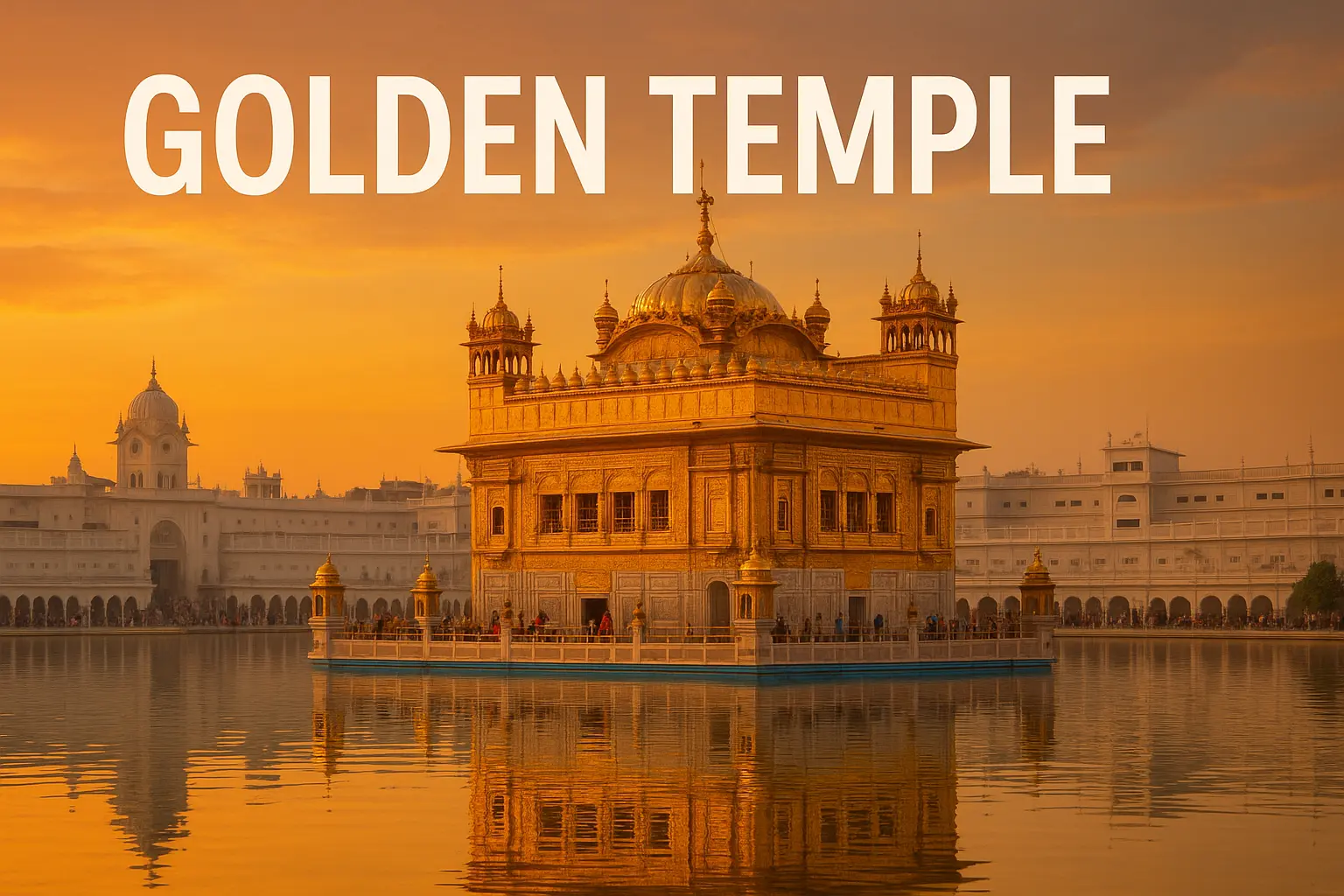
The Golden Temple, also known as Sri Harmandir Sahib, stands as the spiritual and cultural heart of Sikhism, located in the vibrant city of Amritsar, Punjab. This iconic gurudwara, with its stunning gold-plated dome and serene Amrit Sarovar, attracts millions of devotees and tourists annually. Understanding the Golden Temple timings and Aarti schedule is essential for planning a visit to experience its divine rituals, soulful kirtans, and the world-famous langar. This comprehensive guide provides detailed information on the daily routine, ceremonies, and tips to make your visit to the Golden Temple unforgettable.
Note: Always check the official Shiromani Gurdwara Parbandhak Committee (SGPC) website for any seasonal variations in timings.
Golden Temple Timings: A 24/7 Spiritual Haven
he Golden Temple, also known as Harmandir Sahib, is open to devotees and visitors throughout the day with specific timings for darshan, prayers, and aarti. Knowing the temple schedule helps you plan your visit better and experience the divine serenity of this sacred Sikh shrine.
| Ritual / Activity | Timings (Approx.) | Details |
|---|---|---|
| Temple Opening (Darshan Begins) | 3:00 AM | The sanctum doors open with early morning prayers (Prakash of Guru Granth Sahib). |
| Asa di Var (Morning Prayer) | 3:30 AM – 5:00 AM | A soulful recitation of hymns that fills the temple with divine vibrations. |
| First Aarti / Hukamnama | 5:00 AM – 6:00 AM | Daily order of the Guru is read for devotees. |
| Regular Darshan Hours | 6:00 AM – 12:00 PM | Devotees can offer prayers and have darshan of the holy shrine. |
| Midday Hukamnama | 12:00 PM | Another reading from Guru Granth Sahib for guidance. |
| Evening Aarti & Kirtan | 6:00 PM – 8:00 PM | Soulful devotional singing and prayers. |
| Sukh Aasan (Closing Ceremony) | 9:30 PM – 10:00 PM | The Guru Granth Sahib is respectfully placed in the Akal Takht, marking temple closure. |
Key Points:
- The temple is accessible at any time, but specific rituals have set schedules.
- Amrit Vela is the most tranquil time to visit, ideal for meditation.
- The Prakash ceremony is a highlight, with devotees showering flowers on the Palki Sahib.
- The Hukamnama provides spiritual guidance for the day.
Note:
- Timings may shift slightly during festivals like Guru Nanak Jayanti or Baisakhi, so verify with the SGPC website (https://sgpc.net).
- Arrive by 2:30 AM to witness the full morning rituals, and dress warmly in winter.
“In the langar, where all sit together on the floor, the Golden Temple teaches us that true equality begins with shared humanity.” – Sikh Scholar
Overview of the Golden Temple
Sri Harmandir Sahib, fondly called the Golden Temple, is a symbol of equality, humility, and spiritual solace. Built in the late 16th century under the guidance of Guru Arjan Dev Ji, the fifth Sikh Guru, the temple was designed to be accessible to all, regardless of caste, creed, or religion. Its foundation stone was laid by Sufi saint Mian Mir, reflecting interfaith harmony. The temple’s golden dome, adorned with 750 kg of gold by Maharaja Ranjit Singh in the 19th century, and the sacred Amrit Sarovar make it an architectural marvel and a UNESCO World Heritage Site contender.
The temple complex includes the Akal Takht, the Central Sikh Museum, and the Guru ka Langar, which serves free meals to thousands daily. Visiting during specific Golden Temple Aarti timings allows you to witness the spiritual essence of Sikhism through hymns and rituals.
Note: Cover your head, remove shoes, and wash your hands and feet before entering to respect the temple’s sanctity.
Langar: The Heart of Sikh Seva
The Guru ka Langar is one of the Golden Temple’s most iconic features, serving free vegetarian meals to over 60,000–100,000 people daily, especially during festivals like Diwali. Operating 24/7, the langar embodies the Sikh principles of equality and selfless service. Visitors sit in rows on the floor, sharing simple yet nutritious meals prepared by volunteers.
Langar Highlights:
- Menu: Includes roti, dal, sabzi, rice, and kheer.
- Capacity: Two kitchens and multiple halls accommodate thousands.
- Hygiene: Utensils are washed five times, ensuring cleanliness.
- Volunteering: Visitors can participate in cooking, serving, or cleaning.
Key Points:
- The langar hall can seat up to 5,000 people at a time, reflecting Sikhism’s emphasis on equality.
- The langar is open to all, regardless of faith or background.
- Volunteers (sewadars) ensure efficient service and hygiene.
- The experience fosters a sense of community and humility.
Note: Offer to help with seva to connect deeply with Sikh values, but respect the organized system.
“The Golden Temple is not just a place of worship; it’s a beacon of unity and equality, welcoming all with open arms.” – Anonymous Devotee
Festivals and Special Events at the Golden Temple
The Golden Temple hosts vibrant celebrations during Sikh festivals, drawing massive crowds. Key events include:
- Guru Nanak Jayanti (November): Celebrates the birth of Guru Nanak, with special kirtans and processions.
- Baisakhi (April): Marks the Sikh New Year and the formation of the Khalsa, featuring grand ceremonies.
- Diwali (October/November): Known as Bandi Chhor Divas, the temple is illuminated with lamps and fireworks.
- Gurpurab Celebrations: Birth and martyrdom anniversaries of Sikh Gurus, with extended kirtan sessions.
Key Points:
- Festivals feature special rituals, kirtans, and illuminations.
- Crowds peak during Baisakhi and Guru Nanak Jayanti.
- Book accommodations early for festival visits.
Note: Expect longer queues and plan for 2–3 hours of waiting during festivals.
Best Time to Visit the Golden Temple
While the Golden Temple is open 24/7, certain times and seasons enhance the experience. The best time to visit Golden Temple is during winter (November to March), when temperatures range from 11.5°C to 26.9°C, offering pleasant weather. Festivals like Guru Nanak Jayanti (November) and Baisakhi (April) are vibrant but crowded.
Recommended Visiting Times:
- Early Morning (2:30 AM–6:00 AM): Ideal for Amrit Vela and Prakash ceremonies, with fewer crowds.
- Late Evening (7:00 PM–10:00 PM): Offers a magical view of the illuminated temple and Sukhasan ceremony.
- Off-Peak Hours: Weekdays, especially mid-morning or late afternoon, have shorter queues.
Key Points:
- Winter months are ideal for comfortable exploration.
- Early morning visits avoid crowds and offer spiritual tranquility.
- Festivals enhance the cultural experience but increase waiting times.
Note: Plan for 30–60 minutes of waiting during peak hours, and up to 2 hours on weekends or holidays.
“Visiting the Golden Temple at dawn feels like stepping into a divine symphony of peace and devotion.” – Travel Blogger
Nearby Attractions to Explore
Enhance your visit by exploring Amritsar’s nearby attractions, rich in history and culture.
- Jallianwala Bagh (0.5 km): A memorial park commemorating the 1919 massacre, with a museum and well-preserved bullet marks.
- Wagah Border (28 km): Witness the patriotic Beating Retreat Ceremony at the India-Pakistan border, held daily at 5:15 PM (summer) or 4:15 PM (winter).
- Durgiana Temple (1.5 km): A Hindu temple dedicated to Goddess Durga, known as the “Silver Temple” for its intricate carvings.
- Partition Museum (1 km): Explores the history of the 1947 India-Pakistan partition with artifacts and stories.
Key Points:
- Jallianwala Bagh offers a poignant historical perspective.
- Wagah Border is a must-see for its vibrant ceremony.
- The Partition Museum provides insights into India’s history.
Note: Plan a half-day tour for nearby attractions, and hire a licensed guide for deeper context.
Guidelines for Visiting the Golden Temple
To ensure a respectful and enriching visit, follow these guidelines:
- Dress Code: Cover your head (scarves provided if needed), wear modest clothing, and avoid revealing outfits.
- Footwear: Remove shoes at the designated drop-off area and wash your feet.
- Photography: Allowed in the outer areas but prohibited inside the sanctum.
- Behavior: Maintain silence, avoid smoking or eating in the Parikrama, and respect the sanctity.
- Donations: Contributions for langar or maintenance are welcome; obtain a receipt from SGPC counters.
Key Points:
- Modest attire and head covering are mandatory for all visitors.
- Free shoe storage and headscarves are available near the entrance.
- Respectful behavior enhances the spiritual experience for all.
Note: Photography is permitted in the Parikrama but not inside the main sanctum.
How to Reach the Golden Temple
Located in the heart of Amritsar, the Golden Temple is easily accessible by air, rail, and road.
- By Air: Sri Guru Ram Dass Jee International Airport is 13 km away, with taxis available.
- By Train: Amritsar Junction Railway Station is 2 km from the temple.
- By Road: Buses from Delhi (7–9 hours) and nearby cities like Chandigarh connect to Amritsar.
Key Points:
- The temple’s central location makes it convenient to reach.
- Taxis and auto-rickshaws are readily available from the airport and station.
- Local transport options ensure hassle-free travel.
Note: Book accommodations in advance during peak seasons, and consider free Sarais like Guru Arjan Dev Niwas for budget stays.
Accommodation Near the Golden Temple
The Golden Temple offers free lodging in Sarais (guest houses) like Guru Arjan Dev Niwas and Guru Ram Das Niwas, managed by the SGPC. For more comfort, hotels like Hyatt Regency and Radisson Blu are within 5 km. Budget options include guesthouses in Katra Ahluwalia.
Key Points:
- Sarais provide free or low-cost stays for pilgrims.
- Hotels offer modern amenities for tourists.
- Booking in advance is recommended during festivals.
Note: Check availability on the SGPC website or trusted platforms like YatraDham.org.
Tips for a Memorable Visit
- Plan for Ceremonies: Time your visit for the Prakash or Sukhasan ceremonies for a spiritual experience.
- Volunteer at Langar: Participate in seva to connect with Sikh values.
- Visit the Museum: Explore the Central Sikh Museum for historical insights.
- Avoid Peak Times: Early mornings or late evenings reduce waiting times.
- Respect Traditions: Follow the dress code and maintain decorum.
Key Points:
- Strategic timing enhances your experience.
- Volunteering fosters a deeper connection with the temple’s ethos.
- Respecting rules ensures a harmonious visit.
Note: Carry a water bottle and stay hydrated, especially in summer.
Conclusion: A Spiritual Journey Awaits
Visiting the Golden Temple is more than a pilgrimage; it’s a journey into the heart of Sikhism’s values of equality, service, and devotion. By understanding the Golden Temple timings and Aarti schedule, you can plan a visit that aligns with its sacred rituals, from the soulful Amrit Vela prayers to the mesmerizing Sukhasan ceremony. Whether you’re a devotee seeking blessings or a traveler exploring cultural heritage, Sri Harmandir Sahib offers a profound experience that lingers in the heart.
For the latest updates on timings and events, visit https://sgpc.net or contact local tour operators like Sikh Tours.
Golden Temple Timings & Aarti Schedule FAQs
1. What are the opening and closing timings of the Golden Temple?
The Golden Temple, also known as Harmandir Sahib, generally opens at 3:00 AM with the Prakash ceremony and closes around 10:00 PM with the Sukh Aasan ceremony. The Guru Granth Sahib is placed in the sanctum in the early morning and respectfully taken to the Akal Takht at night.
2. What time does the first aarti or prayer begin at the Golden Temple?
The first prayers at the Golden Temple begin around 3:30 AM with the recitation of Asa di Var (morning hymns). This is followed by the Hukamnama (daily order of the Guru) around 5:00 AM. Many devotees consider this the most peaceful time to visit.
3. Can visitors attend the morning prayers at the Golden Temple?
Yes, visitors are welcome to attend the morning prayers, provided they follow Sikh traditions such as covering the head, removing shoes, and maintaining silence. The early morning atmosphere is serene and deeply spiritual.
4. What is the Sukh Aasan ceremony at the Golden Temple?
The Sukh Aasan is the nightly closing ritual performed around 9:30 PM – 10:00 PM, when the Guru Granth Sahib is respectfully taken from the sanctum to the Akal Takht. It is a highly revered ceremony symbolizing the resting of the Guru.
5. Is there an evening aarti or kirtan at the Golden Temple?
Yes, the Golden Temple has evening prayers and kirtan (devotional music) between 6:00 PM – 8:00 PM. The illuminated reflection of the temple in the holy Sarovar during this time makes it one of the most divine experiences.
6. Are Golden Temple timings the same every day?
The general schedule remains the same daily, but timings may vary slightly on special occasions such as Gurpurabs, Vaisakhi, or other major Sikh festivals when extended kirtans and special prayers are held.
7. How early should one arrive at the Golden Temple for darshan?
If you want to experience the peaceful atmosphere and avoid long queues, it is best to arrive between 3:00 AM – 5:00 AM during the morning prayers. Otherwise, visiting before noon or in the evening kirtan hours is also recommended.
8. Is there a dress code to attend aarti and darshan at the Golden Temple?
While there is no strict dress code, visitors must cover their heads with a scarf or turban, wear modest clothing, and enter barefoot after washing their feet. This shows respect for the sanctity of the temple.
9. Can tourists participate in all Golden Temple rituals?
Tourists and devotees alike are welcome to observe and participate in most rituals, including listening to kirtan, attending Hukamnama, and joining the Langar (community kitchen). However, certain sacred duties are reserved for Sikh priests.
10. What is the best time of day to visit the Golden Temple?
The Golden Temple is beautiful at any time, but the early morning (3:30 AM – 5:00 AM) for Asa di Var and the evening (6:00 PM – 8:00 PM) for illuminated darshan are the most recommended. Both times provide a divine spiritual experience.