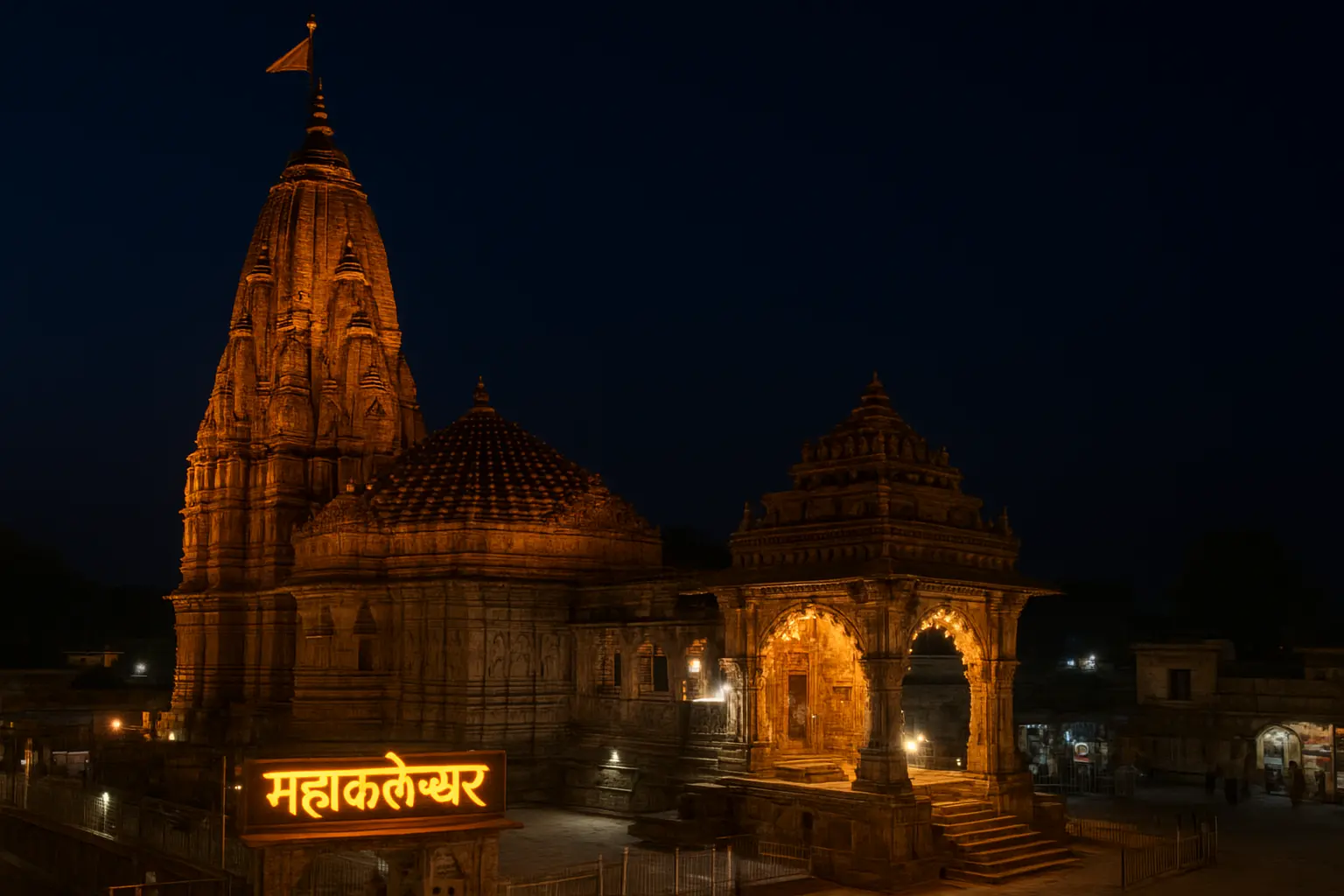
An In-Depth Guide to Madurai’s Divine Sanctuary
The Meenakshi Amman Temple in Madurai, Tamil Nadu, stands as a timeless symbol of Dravidian architecture and spiritual reverence. Dedicated to Goddess Meenakshi (Parvati) and Lord Sundareswarar (Shiva), this iconic temple attracts millions of devotees and tourists annually. For a fulfilling visit, understanding the Meenakshi Temple timings, aarti schedule, and additional aspects like festivals, nearby attractions, and practical tips is crucial. This comprehensive 2000+ word guide, optimized with keywords for ranking, covers everything you need to plan a seamless pilgrimage, including rituals, history, and cultural insights.
Note: Check the official temple website (www.maduraimeenakshi.org) for real-time updates on timings, especially during festivals or special events.
Meenakshi Amman Temple Timings & Aarti Schedule
The Meenakshi Amman Temple in Madurai, Tamil Nadu, opens daily for devotees with specific darshan and aarti timings. Below is the complete schedule:
| Temple Ritual / Aarti | Time | Details |
|---|---|---|
| Temple Opening (Morning) | 5:00 AM | Temple doors open for darshan and early prayers. |
| Tiruvanandal Puja | 5:00 AM – 6:00 AM | The first puja of the day, offered to Lord Shiva (Sundareswarar). |
| Vizha Puja | 6:30 AM – 7:15 AM | Daily worship with chanting and offerings. |
| Kala Sandhi Puja | 6:30 AM – 10:30 AM | Morning puja with abhishekam and archana. |
| Thirukkalasandhi Puja | 10:30 AM – 11:30 AM | Special puja with Vedic hymns and rituals. |
| Uchikkala Puja (Noon Puja) | 10:30 AM – 11:30 AM | Midday puja performed for Goddess Meenakshi and Lord Sundareswarar. |
| Temple Closing (Afternoon) | 12:30 PM | Temple closes for the afternoon break. |
| Temple Reopens (Evening) | 4:00 PM | Devotees allowed for evening darshan. |
| Sayaratchai Puja (Evening Aarti) | 4:30 PM – 6:00 PM | Evening puja with lamp offerings and bhajans. |
| Ardhajama Puja (Night Puja) | 7:30 PM – 8:15 PM | Night rituals with devotional hymns and offerings. |
| Palliarai Puja (Last Puja) | 9:15 PM – 10:00 PM | The final puja of the day, where idols are ceremonially put to rest. |
| Temple Closing (Night) | 10:00 PM | Temple gates close for the day. |
Key Points:
- Six to eight poojas occur daily, each featuring aarti as a key ritual.
- The Palliarai Pooja at 9:15 PM is a unique and must-see ceremony.
- Timings may shift slightly during festivals or special occasions.
Note:
- Arrive 15–30 minutes early for the Palliarai Pooja to secure a good viewing spot, as it attracts many devotees.
- Last entry is typically 30 minutes before closing. Arrive early to avoid delays, especially during peak hours.
“The Meenakshi Temple is not just a place of worship; it’s a living heritage where time stands still, and divinity speaks through every stone and ritual.” – Anonymous Devotee
Historical and Cultural Significance of Meenakshi Temple
The Meenakshi Amman Temple is believed to date back to the 7th century, with major expansions by the Pandya kings and later the Nayaks in the 16th–17th centuries. According to legend, Goddess Meenakshi, born with three breasts, was a warrior princess who married Lord Shiva, losing her third breast upon meeting him, symbolizing her divine transformation. The temple’s 14 towering gopurams, intricate carvings, and vibrant sculptures narrate stories from the Puranas and Tiruvilayadal Puranam, a Tamil text chronicling Shiva’s divine acts in Madurai.
The temple is also a cultural hub, hosting music, dance, and literary events, especially during festivals. Its Hall of Thousand Pillars (Ayiramkaal Mandapam) and Golden Lotus Tank are architectural marvels, drawing historians and art enthusiasts alike.
Key Points:
- The temple’s history spans over a millennium, with contributions from Pandya and Nayak dynasties.
- Legends of Meenakshi and Sundareswarar add spiritual depth to the temple’s identity.
- The temple is a center for Tamil culture, art, and architecture.
Note: Guided tours (₹500–₹1000) are available at the temple for a deeper understanding of its history and iconography.
“In the presence of Goddess Meenakshi, every aarti feels like a conversation with the divine, where the heart finds peace and the soul finds purpose.” – A Madurai Pilgrim
Planning Your Visit: Best Times and Practical Tips
To optimize your visit to the Meenakshi Temple, consider timing, weather, and logistics. The best months are October to March, when Madurai’s climate is cooler (20°C–30°C). For festival enthusiasts, the Chithirai Festival (April–May) offers a grand spectacle but brings larger crowds and extended hours (4:00 AM–12:00 AM).
Practical Tips for Visitors:
- Early Arrival: Visit between 5:00 AM and 7:30 AM for a calm darshan experience.
- Special Darshan Tickets: Priced at ₹50 (for Meenakshi) or ₹100 (for both deities), these tickets reduce waiting time.
- Dress Code: Men should wear dhotis or formal pants; women should opt for sarees, long skirts, or salwar kameez. Avoid shorts, sleeveless tops, or tight clothing.
- Prohibited Items: Mobile phones, cameras, bags, and leather items are not allowed. Use locker facilities (₹5 per item) near the East, West, North, or South towers.
- Accessibility: Wheelchair facilities and battery-operated buggies (₹10) are available for elderly or differently-abled visitors.
Key Points:
- October–March offers pleasant weather; April–May is ideal for festivals.
- Special darshan tickets and locker facilities enhance convenience.
- Accessibility options ensure inclusivity for all visitors.
Note: Book hotels near the temple (e.g., Royal Court, Heritage Madurai) well in advance during festivals to avoid last-minute hassles.
The Spiritual Essence of Aarti Rituals
The aarti ceremonies at Meenakshi Temple are profound spiritual experiences, blending devotion, music, and light. Accompanied by nadaswaram (pipe instrument), tavil (percussion), and Vedic chants, the aarti involves offering oil lamps to the deities, symbolizing the removal of ignorance. The Palliarai Pooja, where Lord Sundareswarar’s idol is carried to Meenakshi’s sanctum, is a highlight, symbolizing their eternal bond and captivating devotees with its solemnity.
Devotees often participate by offering flowers, coconuts, or archanai (personal prayers, ₹20–₹50). The rhythmic chants and glowing lamps create an atmosphere of divine connection, making aarti a must-experience ritual.
Key Points:
- Aarti rituals combine music, chants, and light for a divine experience.
- The Palliarai Pooja is a unique nightly ritual symbolizing divine unity.
- Devotees can participate through offerings and archanai.
Note: Maintain silence and avoid crowding during aarti to respect the sanctity of the ritual.
Major Festivals and Their Impact on Timings
The Meenakshi Temple hosts vibrant festivals that transform Madurai into a spiritual and cultural hub. These events may alter regular timings and attract global visitors. Key festivals include:
- Chithirai Festival (April–May): A 12-day celebration of Meenakshi and Sundareswarar’s celestial wedding, featuring processions, chariot parades, and extended temple hours (4:00 AM–12:00 AM).
- Teppotsavam (Float Festival, January): Held during the Tamil month of Thai, deities are taken on decorated floats around the Vandiyur Mariamman Teppakulam tank.
- Navratri (September–October): A nine-day festival with golu doll displays, music concerts, and special aartis.
- Avani Moola Utsavam (August–September): A 10-day festival celebrating Lord Sundareswarar with sacred games and rituals.
Key Points:
- The Chithirai Festival is the temple’s grandest event, extending hours and drawing crowds.
- Teppotsavam and Navratri offer unique cultural experiences.
- Festival schedules may adjust regular aarti timings.
Note: Book accommodations (e.g., Courtyard by Marriott, Gopuram Residency) early during festivals, as Madurai sees a surge in visitors.
“The Meenakshi Temple teaches us that true devotion is in respecting its traditions and embracing its divine serenity.” – A Tamil Scholar
Dress Code and Temple Etiquette
To preserve the temple’s sanctity, a strict dress code and etiquette are enforced:
- Men: Dhotis, pyjamas, or formal pants with shirts. Jeans are permitted for Hindus if paired with modest upper garments.
- Women: Sarees, salwar kameez, or long skirts. Avoid revealing or tight clothing.
- Prohibited Items: Shoes, socks, cameras, mobile phones, bags, and leather items. Use locker facilities near the gopurams.
- Etiquette: Speak softly, avoid running, and follow priest instructions. Photography is strictly prohibited in the sanctum.
Key Points:
- Conservative attire is mandatory to respect temple traditions.
- Locker facilities ensure safe storage of prohibited items.
- Proper etiquette enhances the spiritual experience for all.
Note: Women should avoid visiting during the first five days of menstruation, as per temple customs.
Exploring the Temple Complex: Architectural and Cultural Gems
Spanning 15 acres, the Meenakshi Temple is a treasure trove of Dravidian architecture. Its 14 gopurams, adorned with thousands of colorful stucco figures, narrate mythological tales. The South Gopuram (170 feet) is the tallest, offering a stunning entry point. The Hall of Thousand Pillars (Ayiramkaal Mandapam) features 985 intricately carved pillars, each a masterpiece. The Golden Lotus Tank is a sacred site where devotees seek blessings, especially during auspicious days.
The Temple Art Museum (₹5 for Indians, ₹50 for foreigners) showcases ancient sculptures, paintings, and artifacts, offering insights into Shaiva and Vaishnava traditions. The temple also hosts cultural events like Bharatanatyam performances and Tamil literary discussions.
Key Points:
- The gopurams and Hall of Thousand Pillars are architectural highlights.
- The Golden Lotus Tank holds spiritual significance.
- The Temple Art Museum offers a cultural and historical perspective.
Note: Battery-operated buggies (₹10) ease navigation for elderly visitors across the vast complex.
Nearby Attractions to Enhance Your Madurai Visit
Extend your trip by exploring Madurai’s other attractions, all within a 5–10 km radius of the temple:
- Thirumalai Nayak Palace (2 km): A 17th-century palace with Indo-Saracenic architecture, featuring a light-and-sound show (₹50 for adults).
- Vandiyur Mariamman Teppakulam (5 km): A serene tank hosting the Teppotsavam festival, ideal for evening visits.
- Koodal Azhagar Temple (1 km): A Vaishnavite temple dedicated to Lord Vishnu, known for its stunning carvings.
- Gandhi Memorial Museum (3 km): A free-entry museum showcasing India’s freedom struggle, with a peaceful garden.
Key Points:
- Nearby attractions complement the temple visit with history and culture.
- Most sites are within a 10-minute drive or auto-rickshaw ride.
- Combine temple visits with these spots for a fulfilling Madurai itinerary.
Note: Hire a local guide (₹300–₹500) for a curated tour of Madurai’s heritage sites.
How to Reach Meenakshi Temple
Madurai’s central location makes the Meenakshi Temple easily accessible:
- By Air: Madurai Airport (11 km) connects to Chennai, Delhi, Bangalore, and other cities. Taxis (₹300) or buses (₹20) reach the temple in 20–30 minutes.
- By Train: Madurai Junction (1 km) is a major railway hub. Auto-rickshaws (₹50) or cabs (₹100) take 5–10 minutes to the temple.
- By Bus: Mattuthavani Bus Stand (6 km) and Periyar Bus Stand (500 m) offer frequent services from Tamil Nadu and neighboring states.
- By Car: Multi-level parking (₹20–₹50) is available 200 meters from the North Gate. Vehicles are restricted within 1 km of the temple.
Key Points:
- Madurai is well-connected by air, rail, and road.
- Affordable transport options make the temple accessible.
- Parking facilities cater to self-driving visitors.
Note: Use app-based cabs (Ola, Uber) or pre-paid auto-rickshaws for hassle-free travel within Madurai.
Practical Amenities and Services at the Temple
The temple offers several amenities to enhance visitor comfort:
- Prasadam Counters: Buy laddus, vadas, and other offerings (₹10–₹50) near the East Gopuram.
- Restrooms and Drinking Water: Clean facilities are available near all gopurams.
- Cloakrooms: Store luggage or prohibited items for ₹5–₹10.
- Information Desk: Located at the South Gate, it provides guidance on poojas, tickets, and temple history.
- Medical Aid: A basic first-aid center operates near the North Gopuram for emergencies.
Key Points:
- Prasadam counters and cloakrooms ensure convenience.
- Information desks assist with navigation and rituals.
- Basic medical aid is available for emergencies.
Note: Carry cash (small denominations) for tickets, prasadam, and locker fees, as digital payments may not always be accepted.
Conclusion: A Divine and Cultural Odyssey
A visit to the Meenakshi Amman Temple is a journey into Tamil Nadu’s spiritual, cultural, and architectural heritage. By aligning your visit with the Meenakshi Temple timings (5:00 AM–12:30 PM, 4:00 PM–10:00 PM) and aarti schedule, you can immerse yourself in divine rituals like the Palliarai Pooja. Explore the temple’s gopurams, pillars, and museum, and complement your trip with nearby attractions like Thirumalai Nayak Palace. Adhere to the dress code, plan for festivals, and use practical amenities for a seamless experience.
For real-time updates, pooja bookings, or inquiries, visit www.maduraimeenakshi.org
FAQs About Meenakshi Amman Temple Timings & Aarti
1. What are the opening and closing timings of Meenakshi Temple in Madurai?
The Meenakshi Amman Temple opens daily at 5:00 AM for darshan and closes at 12:30 PM in the afternoon. It reopens at 4:00 PM and finally closes at 10:00 PM after the Palliarai Puja. These timings allow devotees to attend multiple pujas throughout the day.
2. What time is the first puja at Meenakshi Temple?
The first puja, known as Tiruvanandal Puja, is performed between 5:00 AM – 6:00 AM. This sacred ritual is offered to Lord Sundareswarar (Shiva) and marks the beginning of the temple’s daily worship.
3. Which is the most important aarti at Meenakshi Temple?
The Palliarai Puja held at 9:15 PM – 10:00 PM is considered the most important. In this ritual, the idols of Goddess Meenakshi and Lord Sundareswarar are ceremonially put to rest. Thousands of devotees attend this nightly procession, making it a must-experience ritual.
4. Is there a noon aarti at Meenakshi Temple?
Yes, the Uchikkala Puja (Noon Aarti) is performed between 10:30 AM – 11:30 AM. It is a highly revered ritual where both Goddess Meenakshi and Lord Sundareswarar receive abhishekam, chanting, and offerings from devotees.
5. Can tourists attend all aartis in Meenakshi Temple?
Yes, tourists and devotees are welcome to witness all the six main pujas performed daily. However, it is advisable to arrive early, especially for morning and night pujas, as these attract large crowds.
6. What time does the Meenakshi Temple close in the afternoon?
The temple closes at 12:30 PM after the completion of the Uchikkala Puja and reopens at 4:00 PM for the evening darshan. This afternoon break allows priests to prepare for the evening rituals.
7. Is there a special dress code for visiting Meenakshi Temple?
Yes, visitors are expected to dress modestly while entering the temple. Men are encouraged to wear dhoti or trousers with a shirt, while women are advised to wear sarees, salwar kameez, or long skirts. Shorts, sleeveless tops, and western casuals may not be permitted inside the sanctum.
8. When is the evening aarti performed at Meenakshi Temple?
The Sayaratchai Puja (Evening Aarti) is performed between 4:30 PM – 6:00 PM. This aarti involves lamp offerings, devotional music, and chanting, creating a serene atmosphere for devotees.
9. How many pujas are conducted daily at Meenakshi Temple?
There are six main pujas conducted daily, starting with Tiruvanandal Puja at 5:00 AM and ending with Palliarai Puja at 10:00 PM. Each puja is performed with unique rituals, abhishekam, and aarti dedicated to Goddess Meenakshi and Lord Sundareswarar.
10. Can devotees book special darshan or puja at Meenakshi Temple?
Yes, the temple offers special darshan and puja tickets for devotees who wish to participate more closely in the rituals. These can be booked directly at the temple counters. Some major festivals like Meenakshi Thirukalyanam and Chithirai Festival also include exclusive darshan arrangements.