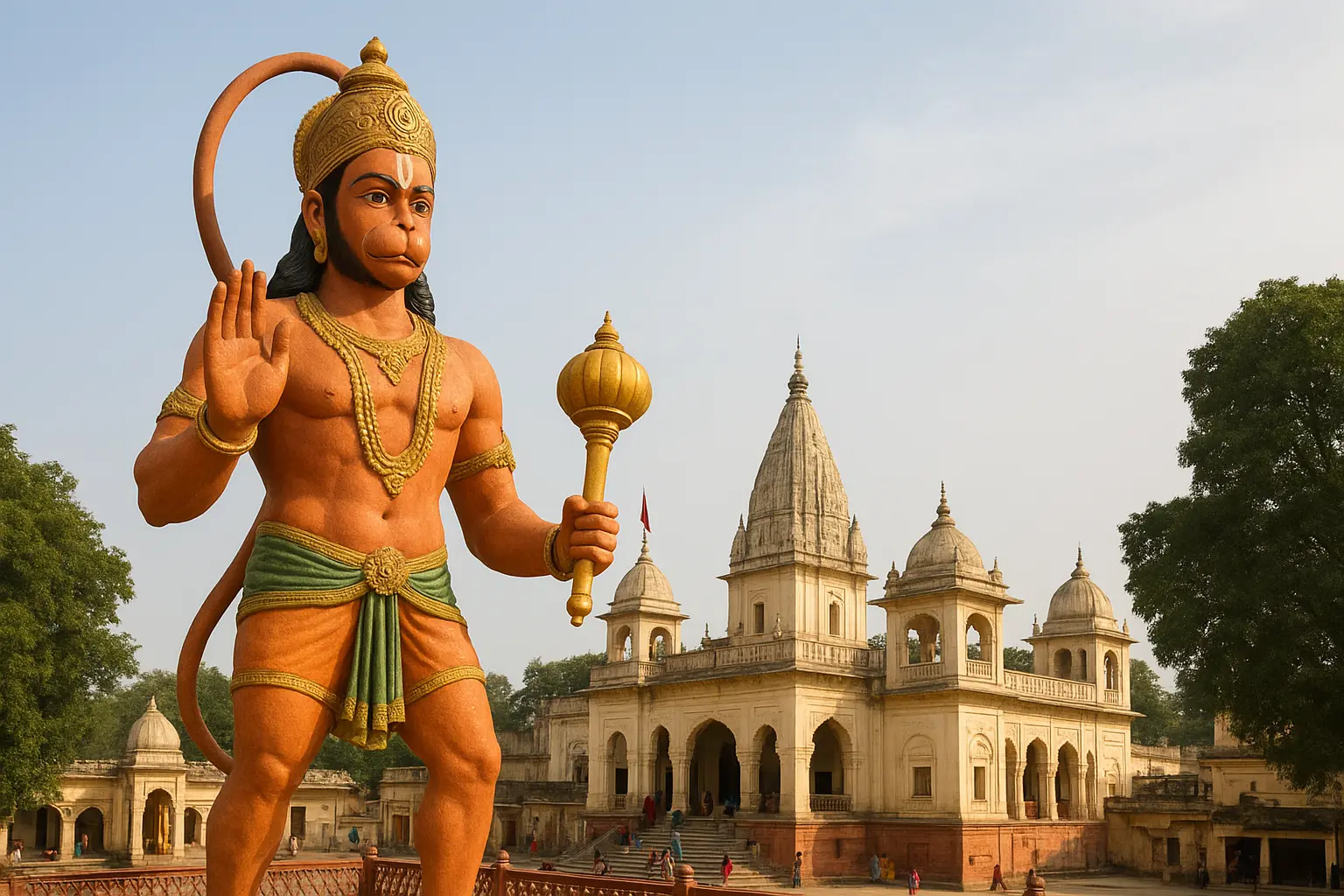
Your Ultimate Guide
The Ram Janmabhoomi Temple in Ayodhya, known as Ram Mandir, is a sacred haven for millions. Dedicated to Lord Ram, this iconic temple draws devotees globally since its 2024 inauguration. Understanding the Ram Janmabhoomi Temple timings and Aarti schedule is key for a fulfilling visit. This 2025 guide covers darshan timings, Aarti slots, booking processes, history, architecture, festivals, and travel tips.
Ayodhya, Lord Ram’s birthplace, holds deep spiritual significance. The temple, managed by the Shri Ram Janmabhoomi Teerth Kshetra Trust, balances massive crowds with sacred rituals. Post-2025 Kumbh Mela, updated schedules ensure smooth visits. Whether seeking “Ram Mandir darshan timings” or “Ayodhya Temple visiting hours,” this post offers comprehensive details.
Key Points:
- Temple open daily with multiple darshan slots.
- Aarti bookings recommended for Mangal, Shringar, and Shayan rituals.
- Online passes via srjbtkshetra.org ensure smooth entry.
- Winter (Oct-Mar) is the best time to visit.
“In Ayodhya’s embrace, the Ram Mandir radiates divine love and unity.”
Ram Janmabhoomi Temple Timings and Aarti Schedule
Below is the complete schedule of Ram Janmabhoomi Temple in Ayodhya, including opening hours, darshan timings, and daily aarti schedule.
| Event / Darshan | Time |
|---|---|
| Temple Opening Time | 6:00 AM |
| Mangala Aarti | 6:30 AM |
| Morning Darshan | 7:00 AM – 11:30 AM |
| Bhog Aarti | 12:00 PM |
| Afternoon Darshan | 12:30 PM – 2:30 PM |
| Sandhya Aarti | 7:00 PM |
| Evening Darshan | 7:30 PM – 9:00 PM |
| Temple Closing Time | 9:00 PM |
Brief closures occur for rituals and cleaning. The temple accommodates 100,000 daily visitors. Check srjbtkshetra.org for updates, especially during festivals like Ram Navami.
VIP passes, bookable online, reduce wait times. Wheelchair access and elderly facilities ensure inclusivity. Searches for “Ram Mandir visiting hours 2025” are popular.
Note: Special Aartis during Diwali and Holi require early booking. Search “Ayodhya Ram Temple Aarti schedule 2025.”
Key Points:
- Free darshan; VIP passes reduce wait times.
- Winter visits are ideal due to pleasant weather.
- Wheelchair access available.
“The Ram Mandir stands as a timeless bridge between devotion and artistry.”
Historical Significance of Ram Janmabhoomi
Ayodhya, revered in the Ramayana, marks Lord Ram’s birth in Treta Yuga. Ancient texts describe it as King Dasharatha’s capital. A temple once stood at Janmabhoomi, possibly from the Gupta era (4th-6th century CE).
Invasions led to its destruction. In 1528, Mir Baqi built the Babri Masjid here, sparking a centuries-long dispute. The 19th century saw Hindus reclaiming the site as Ram’s birthplace.
The 1949 idol placement inside the mosque escalated tensions. The 1980s Ram Janmabhoomi movement, led by the Vishva Hindu Parishad, gained momentum. The 1992 mosque demolition triggered nationwide debates.
The 2019 Supreme Court verdict awarded the site for the temple, with an alternate plot for a mosque. PM Narendra Modi laid the foundation in 2020. The temple opened in 2024 after a grand Pran Pratishtha.
Archaeological digs by ASI in 2003 found a 12th-century Hindu structure beneath, validating claims. Today, the temple symbolizes faith and resilience, attracting searches for “Ram Janmabhoomi history.”
Architectural Grandeur of Ram Mandir
The Ram Mandir, built in Nagara style, is a visual marvel. Its three-story structure features towering shikharas and ornate mandapas. The sanctum houses Ram Lalla’s black stone idol, sculpted by Arun Yogiraj.
Spanning 70 acres, the complex includes gardens, museums, and pilgrim facilities. The iron-free foundation ensures earthquake resistance, blending tradition with modern engineering.
Over 200,000 inscribed “Shri Ram” bricks reflect devotion. Gold-adorned gates depict Ramayana scenes. Intricate wall carvings showcase deities and epic tales.
Eco-friendly features like solar lighting highlight sustainability. Thematic gardens, like Sita Rasoi, enrich the experience. Searches for “Ram Mandir architecture” reveal its cultural depth.
“The Ram Mandir stands as a timeless bridge between devotion and artistry.”
Spiritual Essence of the Temple
The temple embodies Lord Ram’s values of dharma, duty, and compassion. Darshan here is believed to grant moksha and fulfill wishes. Aarti ceremonies amplify this divine connection.
Open to all faiths, the temple fosters inclusivity. Its serene ambiance draws global visitors, making it a cultural hub. Keywords like “Ayodhya Temple significance” trend for its universal appeal.
Booking Darshan and Aarti Passes
Online booking simplifies visits. Use srjbtkshetra.org or the trust’s app.
- Register with mobile number.
- Select darshan or Aarti slot and date.
- Upload ID (Aadhaar, Voter ID).
- Pay nominal fees for VIP passes (general darshan free).
- Get QR code via email/SMS.
Bookings open 15-30 days prior. Offline counters exist, but online is faster. Passes are non-transferable. Search “Ram Mandir booking online.”
Key Points:
- Book early for festivals.
- QR code mandatory for entry.
Festivals at Ram Mandir
Festivals transform the temple. Ram Navami (April) celebrates Ram’s birth with extended darshan and cultural events.
Diwali recreates Ram’s return with lights and fireworks. Janmashtami, Navratri, and Maha Shivratri blend traditions. Post-2025 Kumbh, Ramayana exhibitions are planned.
Note: Book festival passes early. Search “Ram Mandir festival schedule.”
Nearby Attractions in Ayodhya
Visit Hanuman Garhi, a hilltop temple 1 km away. Kanak Bhawan, gifted to Sita, showcases stunning architecture.
Sita ki Rasoi reflects her legacy. The Sarayu River hosts serene dusk Aarti. Nageshwarnath Temple and Treta Ke Thakur are historic.
Key Points:
- Combine temple visit with nearby sites.
- Sarayu Aarti is a must-see.
Travel Tips for a Smooth Visit
- Dress Code: Modest clothing covering shoulders and knees.
- Prohibited Items: No phones, bags, or leather; use cloakrooms.
- Weather: Winters (Oct-Mar) ideal; summers hot.
- Hydration: Carry water.
- Transport: Use Ayodhya’s airport, trains, or buses.
- Stay: Book hotels early.
- Health: Carry masks; medical aid on-site.
Note: Search “Ram Janmabhoomi Temple visit guide” for planning.
Accommodation Options
Budget dharamshalas like Birla offer basic amenities. Mid-range hotels like Hotel Saket provide comfort. Luxury options include Ramada and Taj Ayodhya.
Book via MakeMyTrip. “Ayodhya hotels near Ram Mandir” is trending.
Dining in Ayodhya
Ayodhya’s vegetarian cuisine includes puri-sabzi, kachori, and jalebi. Sita Rasoi serves sattvic meals. Hotel thalis range from ₹100-300.
Street food like chaat requires hygiene checks. Search “Ayodhya food near Ram Mandir.”
Key Points:
- Stick to vegetarian food.
- Check restaurant hygiene.
Accessibility and Infrastructure
Ayodhya’s airport connects major cities. Ayodhya Dham Railway Station handles frequent trains. Buses and auto-rickshaws ply locally.
Wide roads and parking ease access. “Ayodhya Ram Temple travel guide” aids planning.
Cultural Events and Exhibitions
The temple hosts Ramayana plays and bhajans. A museum displays Ramayana-era artifacts. Volunteering programs engage youth.
Note: Join cultural fairs for crafts. Search “Ram Mandir events 2025.”
Local Transportation
Auto-rickshaws and e-rickshaws cost ₹20-100. Taxis via Ola are available. Cycle rickshaws are eco-friendly.
State buses connect nearby cities. Rental bikes are popular. “Ayodhya local transport” helps navigate.
Safety and Etiquette
No photography inside sanctum. Respect queues and local customs. Secure valuables in crowds.
Avoid risky street food. “Ayodhya travel safety tips” ensures preparedness.
Community Engagement
Seva opportunities include cleaning and crowd management. Ashrams offer spiritual retreats. Cultural fairs showcase crafts.
Join online devotee forums. “Ram Mandir community activities” connects pilgrims.
Eco-Friendly Initiatives
Solar power and rainwater harvesting are used. Waste management keeps Ayodhya clean. E-rickshaws reduce emissions.
Plantation drives enhance greenery. “Ram Mandir eco-friendly initiatives” highlights sustainability.
Shopping for Souvenirs
Nakhasa Market sells Ram idols, beads, and Ramayana books. Bargain respectfully. Authentic shops near the temple offer quality.
Key Points:
- Buy brassware and handicrafts.
- Search “Ayodhya Ram Mandir souvenirs.”
Photography Tips
Photography is restricted inside the temple but allowed in the complex. Capture the shikhara at sunrise for stunning shots. Use wide-angle lenses for the grand architecture.
Respect privacy when photographing locals. “Ram Mandir photography tips” boosts social media posts.
Weather Considerations
Winters (Oct-Mar) are cool, ideal for visits. Summers (Apr-Jun) hit 40°C; carry sunscreen. Monsoons (Jul-Sep) bring rain; umbrellas are handy.
Check forecasts before traveling. “Ayodhya weather for Ram Mandir visit” is a useful query.
Facilities for Special Needs
The temple offers wheelchairs and ramps for accessibility. Sign language guides assist hearing-impaired visitors. Special darshan slots prioritize the elderly.
Medical booths provide first aid. “Ram Mandir accessibility 2025” ensures inclusivity details.
Local Culture and Traditions
Ayodhya’s culture revolves around Ramayana recitals and bhajans. Locals greet with “Jai Shri Ram.” Traditional attire like kurta and saree is common.
Participate in evening Sarayu Aarti for immersion. “Ayodhya culture Ram Mandir” enriches your experience.
Note: Learn basic Hindi phrases for connection.
Budget Planning
General darshan is free; VIP passes cost ₹200-500. Budget hotels start at ₹1,000/night; luxury at ₹5,000+. Meals range from ₹50-300.
Local transport costs ₹20-100. “Ram Mandir visit budget 2025” aids planning.
Spiritual Preparation
Read Ramcharitmanas before visiting. Meditate to connect with Ram’s teachings. Join group prayers for deeper engagement.
Fasting during festivals is common. “Spiritual preparation for Ram Mandir” enhances devotion.
Nearby Temples and Pilgrimage Sites
Visit Dashrath Mahal, 2 km away, for historical insights. Mani Parbat offers panoramic views. Ramkot, the ancient fort, narrates Ayodhya’s past.
These sites complement the temple visit. “Ayodhya pilgrimage sites” is a top search.
Key Points:
- Visit multiple sites in one trip.
- Search “Ayodhya pilgrimage sites.”
Ram Mandir in Popular Media
The temple features in documentaries on Indian history. Bollywood films like Adipurush reference Ramayana themes. Social media buzzes with #RamMandir.
News outlets cover festivals and events. “Ram Mandir in media 2025” tracks updates.
Future Developments
Ayodhya plans a Ramayana University by 2027. More hotels and a cultural center are under construction. Improved rail links are expected by 2026.
The temple complex may expand. “Ram Mandir future plans” draws interest.
Note: Temple complex may expand. Search “Ram Mandir future plans.”
“Jai Shri Ram echoes through Ayodhya, uniting hearts in devotion.”
Conclusion: Your Journey Awaits
The Ram Janmabhoomi Temple is more than a place of worship; it’s a spiritual and cultural milestone. Visiting Ayodhya in 2025 offers a chance to connect with Lord Ram’s legacy of dharma, courage, and compassion. With detailed Ram Mandir timings and Aarti schedules, you can plan a seamless darshan, immersing yourself in the divine chants of “Jai Shri Ram.”
The temple’s inclusive ethos welcomes all, fostering unity and devotion. From its Nagara-style architecture to eco-friendly initiatives, every aspect reflects reverence and progress. Whether you seek moksha, cultural exploration, or a deeper bond with the Ramayana, this sacred journey promises fulfillment. Prepare with this guide, book your passes early, and embrace the transformative experience awaiting you at Ayodhya’s heart. Jai Shri Ram!
Note: Visit during winter for comfort and check srjbtkshetra.org for real-time updates.
FAQs about Ram Janmabhoomi Temple Timings and Aarti Schedule
1. What are the opening and closing timings of Ram Janmabhoomi Temple in Ayodhya?
The Ram Janmabhoomi Temple in Ayodhya opens at 6:00 AM and closes at 9:00 PM daily. Devotees can attend various aartis and darshan sessions during the day, including Mangala Aarti in the morning and Sandhya Aarti in the evening.
2. At what time is the Mangala Aarti performed at Ram Janmabhoomi Temple?
Mangala Aarti, the first aarti of the day, is performed at 6:30 AM. It is considered an auspicious time to start the day’s darshan, as the morning chants and rituals create a divine and peaceful atmosphere.
3. What is the Bhog Aarti timing at Ram Janmabhoomi Temple?
The Bhog Aarti takes place at 12:00 PM, marking the offering of food to Lord Ram. After this aarti, the afternoon darshan session begins for devotees.
4. Is there a break in darshan timings at Ram Janmabhoomi Temple?
Yes, there is a short break in the darshan schedule. The morning darshan ends at 11:30 AM, and afternoon darshan starts at 12:30 PM after the Bhog Aarti. Another short gap occurs before the Sandhya Aarti at 7:00 PM.
5. When is the Sandhya Aarti held at Ram Janmabhoomi Temple?
The Sandhya Aarti, an important evening ritual, is held at 7:00 PM. It is a mesmerizing ceremony with devotional songs, chanting, and the lighting of lamps that create a divine ambiance.
6. What is the best time to visit Ram Janmabhoomi Temple for darshan?
Early mornings during Mangala Aarti and evenings during Sandhya Aarti are considered the best times to visit. These times offer a serene atmosphere, fewer crowds, and a spiritually uplifting experience.
7. Are there any special aarti timings during festivals at Ram Janmabhoomi Temple?
Yes, during major festivals like Ram Navami, Diwali, and Dussehra, the temple extends its darshan hours and conducts special aartis with elaborate decorations, bhajans, and cultural programs.
8. Is photography allowed during aarti at Ram Janmabhoomi Temple?
Photography inside the temple premises is usually restricted during aarti and rituals to maintain the sanctity and spiritual focus. Visitors are advised to check with temple authorities for updated guidelines.
9. Can I attend all aartis in a single day at Ram Janmabhoomi Temple?
Yes, if you arrive early and stay until closing, you can attend Mangala Aarti, Bhog Aarti, and Sandhya Aarti in a single day. Many devotees prefer to spend the entire day at the temple to experience all rituals.
10. Is there an entry fee for visiting Ram Janmabhoomi Temple?
No, there is no entry fee to visit the Ram Janmabhoomi Temple. However, donations for temple maintenance and development are accepted and appreciated.