Ultimate Travel Guide
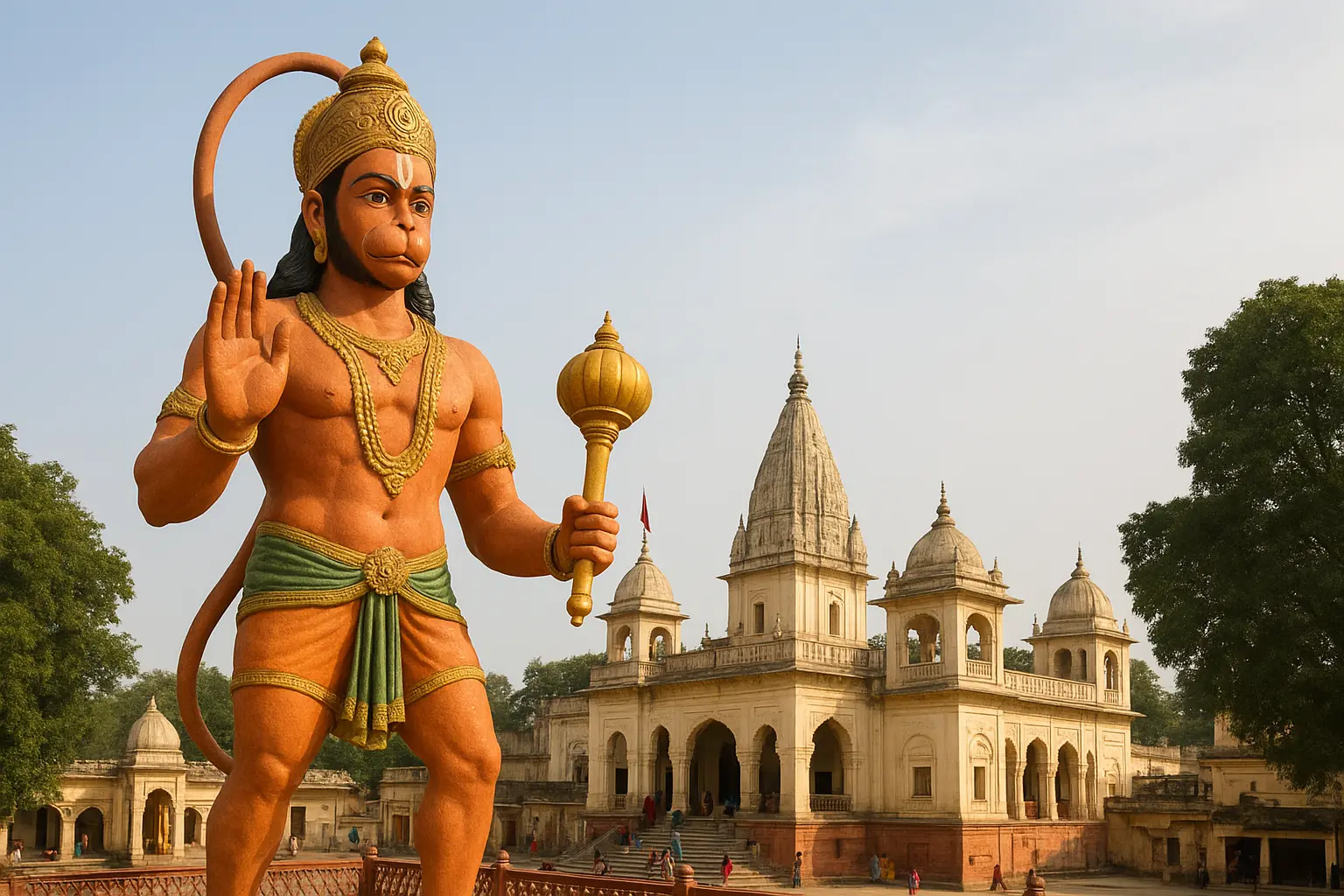
The Hanuman Garhi Temple in Ayodhya stands as a beacon of devotion, dedicated to Lord Hanuman, the epitome of strength and loyalty in Hindu mythology. Perched on a hillock, this ancient shrine draws millions of pilgrims seeking blessings before visiting the nearby Ram Mandir.
Hanuman Garhi Temple Timings and Aarti Schedule
Proper planning around Hanuman Garhi Temple timings and Aarti rituals ensures a seamless visit:
| Event / Darshan Time | Summer Timings | Winter Timings |
|---|---|---|
| Temple Opening Time | 5:00 AM | 6:00 AM |
| Mangala Aarti | 5:30 AM | 6:30 AM |
| Morning Darshan | 5:30 AM – 12:00 PM | 6:30 AM – 12:00 PM |
| Rajbhog Aarti | 12:00 PM | 12:00 PM |
| Temple Closed (Afternoon) | 12:15 PM – 4:00 PM | 12:15 PM – 4:00 PM |
| Evening Darshan | 4:00 PM – 9:00 PM | 4:00 PM – 8:00 PM |
| Sandhya Aarti | 7:00 PM | 6:30 PM |
| Shayan Aarti & Temple Closing | 9:00 PM | 8:00 PM |
Hanuman Garhi Temple Timings
Proper planning around Hanuman Garhi Temple timings ensures a seamless visit:
- General Hours: Open daily from 5:00 AM to 10:00 PM.
- Summer (April-September): 7:30 AM–11:30 AM, 4:30 PM–9:30 PM.
- Winter (October-March): 9:00 AM–11:00 AM, 4:00 PM–9:00 PM.
- Festival Hours: May extend to 4:00 AM–11:00 PM, with breaks from 12:00 PM–3:00 PM.
Note: Early mornings (around 5:00 AM) offer serene darshan; entry is free with no booking required.
A Brief History of Hanuman Garhi Temple
Hanuman Garhi Temple, located in Ayodhya, Uttar Pradesh, dates back to the 10th century. According to the Ramayana, Lord Hanuman lived in a cave here to guard Ramkot, Lord Rama’s birthplace. Originally constructed during King Vikramaditya’s reign, the temple was demolished by Emperor Aurangzeb, who built a mosque in its place. In the 18th century, the Bairagis of the Ramanandi Sampradaya reclaimed and rebuilt it after defeating Nawab Shuja-ud-Daula, with support from rulers like Safdarjung. Today, managed by the Nirvani Akhara, it remains a vibrant spiritual hub, attracting devotees seeking Hanuman’s blessings.
Key Points:
- Originated in the 10th century, linked to Ramayana legends.
- Reconstructed in the 18th century post-Mughal destruction.
- Administered by the Nirvani Akhara of Ramanandi Sampradaya.
Architectural Beauty of Hanuman Garhi
The temple’s fortress-like structure, crafted from red sandstone, features four circular bastions symbolizing Hanuman’s protective role. Visitors ascend 76 steps to reach the sanctum, where a rare 6-inch gold idol of Hanuman seated on Maa Anjani’s lap resides. The walls, adorned with Ramayana carvings and Hanuman Chalisa verses, create a divine ambiance. The hilltop offers breathtaking views of Ayodhya and the Saryu River, enhancing the spiritual experience.
Key Points:
- Fortress-style design with 76 steps to the sanctum.
- Unique Hanuman-Anjani idol and intricate Ramayana carvings.
- No photography allowed inside to preserve sanctity.
“In the service of Lord Ram, I find my true strength.” – Lord Hanuman, reflecting the temple’s core ethos.
Spiritual Significance and Legends
Hanuman Garhi holds immense spiritual importance as the gateway to Ayodhya’s pilgrimage. Devotees believe Hanuman’s blessings are essential before visiting Ram Mandir, as he guards Rama’s abode. Legends narrate that Hanuman chose this hill to protect Ramkot after defeating Ravana. A dip in the Saryu River before climbing the steps is said to cleanse sins, preparing devotees for darshan. The temple’s prasad, such as laddus, is believed to dispel sorrows and ailments. Tuesdays, Hanuman’s auspicious day, draw large crowds for special prayers.
Key Points:
- Essential stop before Ram Mandir for divine permission.
- Tied to Hanuman’s cave legend from the Ramayana.
- Tuesdays are ideal for enhanced spiritual experiences.
Note: Timings may vary on special occasions, festivals, and during peak pilgrimage seasons.
How to Reach Hanuman Garhi Temple
Reaching Hanuman Garhi Temple in Ayodhya is straightforward, thanks to improved connectivity post the Ram Mandir inauguration.
- By Air: The nearest airport is Maharishi Valmiki International Airport in Ayodhya, about 8-11 km away. Taxis or auto-rickshaws take 20-30 minutes to the temple.
- By Train: Ayodhya Junction Railway Station is just 1.5 km from the temple, a short walk or rickshaw ride. Trains from major cities like Delhi, Lucknow, and Varanasi connect here.
- By Road: Ayodhya is well-linked via NH27 and NH28. Buses from Lucknow (130 km, 3-4 hours) or Gorakhpur (150 km) are frequent. Local e-rickshaws cost INR 20-50 from the bus stand.
Once in Ayodhya, the temple’s central location in Sai Nagar makes it accessible. For a better trip, use apps like Divya Ayodhya for navigation.
Note: Use the Divya Ayodhya app for navigation; e-rickshaws are eco-friendly and affordable.
Best Time to Visit Hanuman Garhi Temple
The best time to visit Hanuman Garhi Temple is between October and March, when the weather is pleasant (15-25°C), ideal for climbing steps and exploring outdoors. Summers (April-June) can be hot (up to 45°C), while monsoons (July-September) bring rain and humidity.
Tuesdays and festivals like Hanuman Jayanti (April) and Ram Navami (March/April) are vibrant but crowded. Early mornings or weekdays offer serenity. Avoid midday closures.
Note: Weekdays or early mornings ensure a quieter, more peaceful visit.
Festivals and Celebrations at Hanuman Garhi
Festivals transform Hanuman Garhi into a hub of joy. Hanuman Jayanti celebrates Hanuman’s birth with processions, bhajans, and special Aartis, drawing thousands. Ram Navami features reenactments of Ramayana scenes.
Diwali and Dussehra illuminate the temple with lamps, symbolizing victory over evil. During these, extended timings apply, and prasad distribution is abundant. Plan ahead for accommodations, as Ayodhya buzzes with pilgrims.
Note: Book accommodations early during festivals; prasad distribution is abundant.
“Devotion to duty is the highest form of worship.” – Lord Hanuman, inspiring selfless service.
What to Expect During Your Visit
Upon arrival, expect a lively scene with vendors selling laddus and garlands. The 76-step climb takes 5-10 minutes; elders may need assistance. Inside, the sanctum’s idol radiates peace—offer prayers silently.
Queues can be 30-60 minutes during peaks, but the wait builds anticipation. Post-darshan, enjoy views from the top and buy souvenirs. The temple’s clean premises and helpful staff ensure a smooth experience.
Note: Secure belongings from monkeys; mobile phones are prohibited during Aarti.
Nearby Attractions for a Complete Ayodhya Trip
Enhance your visit to Hanuman Garhi Temple by exploring nearby sites:
- Ram Mandir: 1 km away, the grand temple of Lord Rama; darshan timings 7:00 AM-11:30 AM and 2:00 PM-7:00 PM.
- Kanak Bhawan: A beautiful temple dedicated to Rama and Sita, open 8:00 AM-11:30 AM and 4:30 PM-9:00 PM.
- Nageshwarnath Temple: Ancient Shiva temple, 2 km away.
- Sita Ki Rasoi: Legendary kitchen of Sita, nearby.
- Gulab Bari: Rose garden and tomb, 3 km away, for a relaxing stroll.
- Saryu River Ghat: For evening Aarti and boat rides.
Itinerary Idea: Begin with Hanuman Garhi’s morning Aarti, visit Ram Mandir, explore Kanak Bhawan, and conclude with Saryu Ghat’s evening Aarti.
“Loyalty to your cause will lead you to success.” – Lord Hanuman, a reminder for travelers to stay devoted to their spiritual journey.
Essential Tips for a Better Trip to Hanuman Garhi Temple
To make your visit to Hanuman Garhi Temple memorable and hassle-free:
- Arrive Early: Beat crowds by visiting at opening time for peaceful darshan.
- Dress Modestly: Wear traditional attire; cover shoulders and knees.
- Health Precautions: Carry water, especially in summer; the climb can be tiring.
- Offerings: Bring fruits, sweets, or coconuts; avoid leather items.
- Accessibility: Steps are steep—use railings; wheelchairs may not be feasible.
- Safety: Beware of monkeys; secure belongings. No mobile phones inside during Aarti.
- Accommodations: Stay in Ayodhya at dharamshalas or hotels like those near Ram Ki Paidi.
- Local Cuisine: Try peda and kachori nearby for authentic flavors.
- Sustainable Travel: Use eco-friendly transport; respect temple rules.
- COVID/Health Guidelines: Check for any updates, though as of 2025, masks are optional.
By following these tips, your trip to Hanuman Garhi Temple will be enriching, combining spirituality with practical ease.
Unique Experiences at Hanuman Garhi
- Hanuman Chalisa Chanting: Join devotees during Aarti for a soulful experience.
- Prasad Rituals: Receive laddus or sindoor, believed to bring good fortune.
- Meditation on the Hilltop: The serene setting is perfect for reflection.
- Local Markets: Shop for religious books, idols, and Ayodhya’s famous peda.
Note: Carry cash for offerings and souvenirs; ATMs are available near Sai Nagar.
Practical Tips for a Memorable Visit
- Arrive Early: Reach by 5:00 AM for tranquil darshan.
- Dress Modestly: Wear traditional attire; cover shoulders and knees.
- Stay Hydrated: Carry water, especially in summer, as steps can be tiring.
- Offerings: Bring fruits, sweets, or coconuts; avoid leather items.
- Accessibility: Steps lack wheelchair access; use railings for support.
- Safety: Watch for monkeys; avoid using phones inside during rituals.
- Accommodation: Stay at dharamshalas or hotels near Ram Ki Paidi (INR 500-3000/night).
- Local Food: Enjoy kachori, peda, and vegetarian thalis at nearby eateries.
- Eco-Friendly Travel: Use e-rickshaws; respect temple cleanliness.
- Health Guidelines: Masks are optional as of 2025; check for updates.
Note: Download the Divya Ayodhya app for real-time crowd and traffic updates.
Accommodation and Dining Options
- Budget Stays: Dharamshalas like Birla or Hanuman Ji (INR 300-800/night).
- Mid-Range Hotels: Ramayana Hotel or Krisshna Palace (INR 1500-3000/night).
- Dining: Shri Ram Bhojnalaya for vegetarian thalis (INR 100-200) or local stalls for chaat and peda.
Note: Reserve accommodations early during festivals; vegetarian cuisine dominates Ayodhya.
Local Customs and Etiquette
Respecting local customs enhances your experience:
- Remove footwear before climbing the steps.
- Maintain silence in the sanctum to honor the sacred atmosphere.
- Offer donations respectfully; small amounts are appreciated.
- Engage with priests politely for guidance on rituals.
Note: Learn a few lines of the Hanuman Chalisa to connect with locals during Aarti.
Why Hanuman Garhi is a Must-Visit
Hanuman Garhi Temple is more than a religious site—it’s a journey into devotion, history, and community spirit. Its accessible timings, vibrant Aartis, and proximity to Ayodhya’s sacred sites make it perfect for spiritual seekers and cultural explorers. From chanting the Hanuman Chalisa to soaking in the hilltop serenity, your visit promises profound fulfillment.
Conclusion
Plan your trip to Hanuman Garhi Temple today, align with the Aarti schedule, and immerse yourself in Ayodhya’s divine legacy. This guide equips you for an unforgettable pilgrimage filled with spirituality and cultural richness.
Hanuman Garhi Temple – FAQs
1. What are the daily opening and closing timings of Hanuman Garhi Temple?
Hanuman Garhi Temple opens early in the morning and closes late in the evening. During summer, the temple opens at 5:00 AM and closes at 9:00 PM, while in winter, it opens at 6:00 AM and closes at 8:00 PM. Devotees can visit throughout the day except during the afternoon break when the temple remains closed from 12:15 PM to 4:00 PM.
2. At what time is the Mangala Aarti performed at Hanuman Garhi Temple?
Mangala Aarti is the first prayer of the day, offered to Lord Hanuman soon after the temple opens. In summer, it takes place at 5:30 AM, and in winter, it is held at 6:30 AM. This early morning aarti is known for its peaceful atmosphere and spiritual energy.
3. What is the Rajbhog Aarti timing at Hanuman Garhi Temple?
Rajbhog Aarti, which marks the offering of the main meal to Lord Hanuman, is performed at 12:00 PM every day. Devotees gather during this time to witness the offering of delicious prasad, which is later distributed among visitors.
4. Is there an afternoon break in Hanuman Garhi Temple darshan timings?
Yes, after the Rajbhog Aarti, the temple remains closed for a few hours in the afternoon. The closure is from 12:15 PM to 4:00 PM in both summer and winter. This time is used for temple maintenance and preparations for the evening rituals.
5. When is the Sandhya Aarti at Hanuman Garhi Temple?
Sandhya Aarti, the evening prayer, is one of the most enchanting rituals at Hanuman Garhi. In summer, it is held at 7:00 PM, and in winter, it starts earlier at 6:30 PM. The temple glows with lamps and resonates with devotional chants during this time.
6. What time is Shayan Aarti and temple closing at Hanuman Garhi?
Shayan Aarti is the last ritual of the day, marking the resting of the deity. It is performed at 9:00 PM in summer and at 8:00 PM in winter. After this ceremony, the temple gates are closed for the day.
7. Are Hanuman Garhi Temple timings different on festivals?
Yes, during festivals such as Hanuman Jayanti, Ram Navami, and Diwali, the temple may open earlier or close later to accommodate the large number of devotees. Special aarti and bhajan sessions are also held during these days.
8. How much time does it take for darshan at Hanuman Garhi Temple?
On regular days, devotees can complete darshan within 15–30 minutes. However, during weekends, public holidays, and religious festivals, the waiting time may extend up to 1–2 hours due to heavy footfall.
9. Is photography allowed inside Hanuman Garhi Temple?
Photography inside the main sanctum is generally not allowed as it is considered a sacred space. However, visitors can take pictures of the temple’s outer premises, beautiful architecture, and panoramic views of Ayodhya.
10. What is the best time to visit Hanuman Garhi Temple?
The best time to visit is early morning during Mangala Aarti or in the evening during Sandhya Aarti. These hours offer a divine ambiance with devotional music, fresh air, and a peaceful crowd. For pleasant weather, October to March is ideal for visiting Ayodhya and Hanuman Garhi.