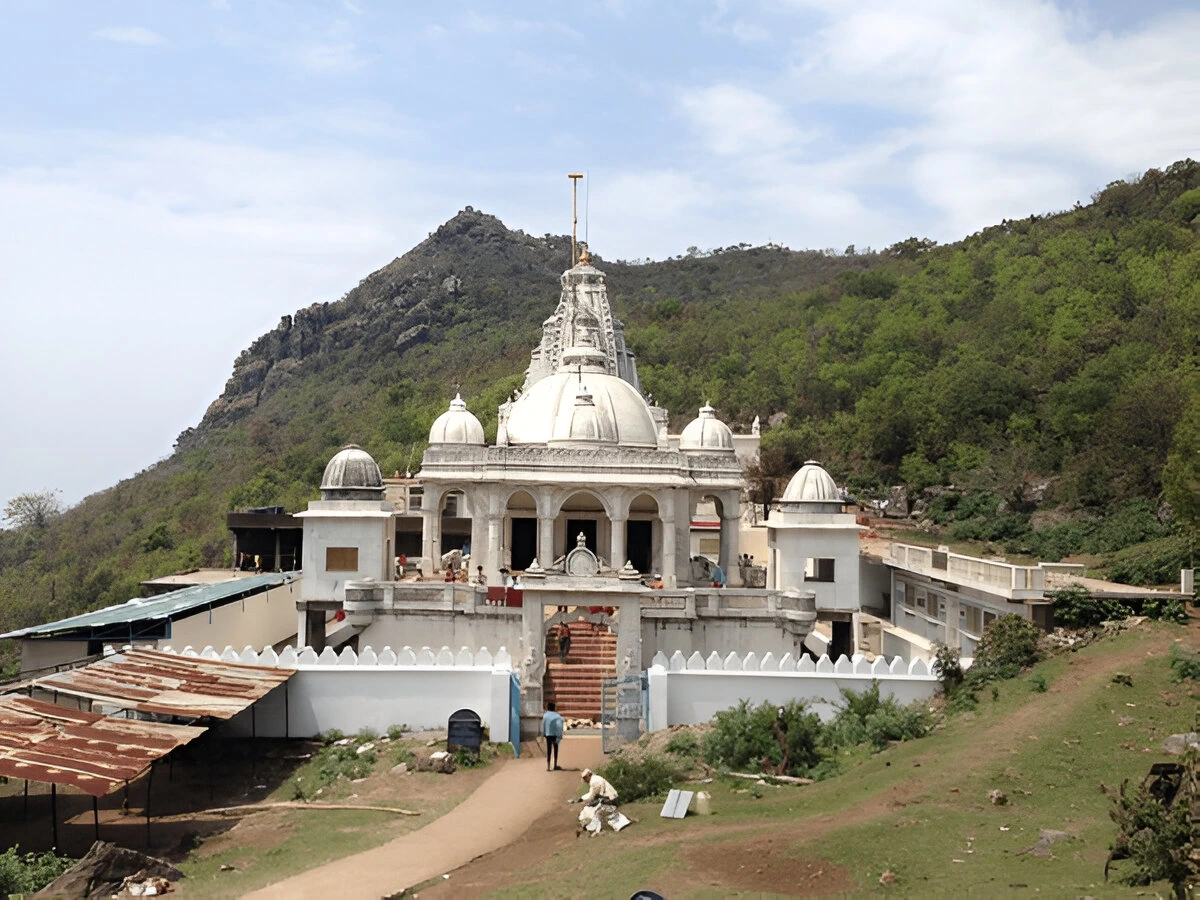
Nestled in the lush Aravalli hills of Mount Abu, Rajasthan’s only hill station, the Shri Dilwara Temples stand as a testament to Jain architectural brilliance and spiritual serenity. Renowned for their intricate marble carvings and historical significance, these temples attract thousands of pilgrims and tourists each year. This blog post provides a comprehensive guide to the Dilwara Temples, including their timings, aarti schedules, history, architecture, and practical tips for visitors.
Whether you’re a spiritual seeker or an architecture enthusiast, this guide will help you plan your visit to this sacred Jain pilgrimage site.
Notes:
- The temples are a sacred site for Jains, so visitors should respect religious customs.
- The serene location in Mount Abu makes it a perfect blend of spirituality and nature.
Shri Dilwara Temples, Mount Abu (Rajasthan) Timings and Aarti Schedule
The Shri Dilwara Temples in Mount Abu, Rajasthan, are world-renowned Jain temples known for their intricate marble carvings and spiritual aura. The temples remain open daily with specific darshan, pooja, and aarti timings. Below is the complete schedule for visitors and devotees.
| Activity / Ritual | Morning Timings | Afternoon / Evening Timings | Notes |
|---|---|---|---|
| Temple Opening | 6:00 AM | — | Gates open for devotees |
| Morning Darshan (General) | 6:00 AM – 12:00 PM | — | Open for all visitors |
| Noon Break (Temple Closed) | 12:00 PM – 12:45 PM | — | Cleaning & preparations |
| Afternoon Darshan | 12:45 PM – 5:00 PM | — | Darshan resumes |
| Jain Devotees Exclusive Darshan | 6:00 AM – 12:00 PM | 12:45 PM – 6:00 PM | Reserved timings for rituals |
| Aarti (Evening Prayer) | — | 6:30 PM | Daily evening aarti |
| Temple Closing | — | 6:30 PM | Gates closed |
Key Points:
- The temples are open daily with no entry fee.
- Non-Jains have restricted hours to maintain the sanctity of morning rituals.
- Aarti timings may vary slightly, so confirm with temple authorities during your visit.
- Aarti involves traditional Jain chants and offerings.
- Morning and evening aartis are the primary rituals.
- Non-Jains can witness the temple’s beauty but cannot participate in aarti.
Notes:
- Visitors should plan to arrive early to avoid crowds, especially during peak tourist seasons.
- Bathing is required for Jains before participating in puja or aarti.
- Respectful silence is expected during rituals.
- Check with temple guides for the exact aarti schedule on the day of your visit.
History of Shri Dilwara Temples
The Dilwara Temples, constructed between the 11th and 13th centuries, are a pinnacle of Jain art and devotion. Commissioned by prominent Jain figures like Vimal Shah and Vastupal-Tejpal, these temples were built during the reign of the Solanki and Vaghela dynasties. Each of the five temples—Vimal Vasahi, Luna Vasahi, Pittalhar, Parshvanatha, and Mahavir Swami—is dedicated to a different Jain Tirthankara, reflecting the deep spiritual roots of Jainism. The temples’ construction showcases the wealth and devotion of their patrons, with intricate marble carvings that rival some of the world’s finest monuments.
“The Dilwara Temples are not just structures of stone; they are a symphony of devotion carved in marble, echoing the eternal principles of Jainism.”
Notes:
- The temples were constructed over centuries, with each having its own historical significance.
- The use of white marble symbolizes purity in Jainism.
Architectural Marvel of Dilwara Temples
The Dilwara Temples are celebrated for their extraordinary marble architecture, often compared to the Taj Mahal for their craftsmanship. From the outside, the temples appear simple, adhering to Jain values of humility. However, the interiors are a breathtaking display of intricate carvings, with every pillar, ceiling, and archway adorned with detailed patterns of lotuses, deities, and mythological scenes. The temples’ design, influenced by the Nagara style, features elements like the Rang Mandap (central hall) and Navchowki (ornate ceilings). The Vimal Vasahi Temple, for instance, boasts an open courtyard with 48 pillars showcasing dancing figurines.
Key Points:
- The temples are built entirely of white marble, sourced from Rajasthan.
- Each temple features unique elements like the Kirthi Stambh (pillar) and Hathishala (elephant hall).
- The carvings depict Jain Tirthankaras, celestial beings, and intricate floral motifs.
Notes:
- Photography is prohibited inside to preserve the sanctity and prevent damage.
- The simplicity of the exterior contrasts sharply with the opulent interiors, reflecting Jain principles.
The Five Temples of Dilwara
The Dilwara Temple complex comprises five distinct temples, each dedicated to a revered Jain Tirthankara. Below is a detailed overview of each:
1. Vimal Vasahi Temple
Dedicated to Lord Adinath, the first Jain Tirthankara, this temple was built in 1031 AD by Vimal Shah, a minister of the Solanki king Bhima I. It is the oldest and most famous of the five, known for its open courtyard and intricately carved corridors.
Key Points:
- Constructed over 14 years at a cost of Rs. 185.3 million.
- Features a Gudh Mandap (main hall) housing the idol of Lord Adinath.
- The ceilings depict lotus buds, petals, and Jain mythological scenes.
Notes:
- The temple is surrounded by smaller shrines with Tirthankara idols.
- A must-see for its historical and architectural significance.
2. Luna Vasahi Temple
Built in 1230 AD by brothers Vastupal and Tejpal, this temple is dedicated to Lord Neminath, the 22nd Tirthankara. Its Rang Mandap features 360 Jain monk statues and 72 Tirthankara sculptures, along with a striking Kirthi Stambh.
Key Points:
- Contains 10 marble elephants in the Hathishala.
- The Navchowki features nine ornate ceilings.
- Known for its black stone pillar and detailed carvings.
Notes:
- The temple reflects the architectural brilliance of the Vaghela dynasty.
- Visitors are often captivated by the symmetry of the carvings.
3. Pittalhar Temple
Constructed by Bhima Shah in the 14th century, this temple is dedicated to Lord Rishabdeo (Adinath). It houses a massive brass statue made of five metals, giving it the name “Pittalhar” (brass temple).
Key Points:
- Features a Gudh Mandap and Navchowki similar to other temples.
- The brass idol weighs approximately 4 metric tons.
- Known for its intricate metalwork alongside marble carvings.
Notes:
- The temple’s unique metal statue sets it apart from the others.
- Less crowded, offering a quieter experience for visitors.
4. Parshvanatha Temple
Built in 1459 by Mandlik, this three-story temple is dedicated to Lord Parshvanath, the 23rd Tirthankara. It is the tallest in the complex, with grey sandstone carvings and four main halls.
Key Points:
- Features paintings of the 14 dreams of Tirthankaras’ mothers.
- The tallest structure among the Dilwara Temples.
- Intricate carvings on sandstone add a unique aesthetic.
Notes:
- Ideal for those interested in Jain iconography and symbolism.
- The temple’s height makes it a standout feature in the complex.
5. Mahavir Swami Temple
Constructed in 1582, this smaller temple is dedicated to Lord Mahavir, the 24th Tirthankara. It features exquisite paintings by Sirohi artists, depicting flowers, pigeons, and court scenes.
Key Points:
- Smaller in size but equally captivating with its artwork.
- Showcases a blend of marble carvings and paintings.
- A serene spot for reflection and prayer.
Notes:
- The temple’s paintings are a highlight for art lovers.
- Less crowded, making it ideal for a peaceful visit.
“In the heart of Mount Abu, the Dilwara Temples whisper tales of devotion, craftsmanship, and timeless spirituality through their marble walls.”
Tips for Visiting Dilwara Temples
Visiting the Dilwara Temples requires adherence to certain guidelines to respect their sanctity. Here are some practical tips:
- Dress Code: Wear modest clothing. Shorts, skirts above the knee, and sleeveless tops are prohibited.
- Photography: Cameras, mobile phones, and other electronic devices are not allowed inside. Lockers are provided for safe storage.
- Guides: Free guides are available inside the temple complex, so avoid hiring external guides.
- Bathing: Jains must bathe before performing puja. Bathing facilities are available on-site.
- Best Time to Visit: November to March offers pleasant weather for exploring Mount Abu and the temples.
Key Points:
- Follow the dress code to avoid being denied entry.
- Lockers ensure the safety of your belongings.
- Winter months are ideal for comfortable sightseeing.
Notes:
- Plan for 2-3 hours to fully explore the temple complex.
- Combine your visit with other Mount Abu attractions like Nakki Lake and Guru Shikhar.
How to Reach Dilwara Temples
The Dilwara Temples are located 2.5 km from Mount Abu, making them easily accessible. Here’s how to reach them:
- By Air: The nearest airport is Maharana Pratap Airport in Udaipur (185 km). Taxis and buses are available from Udaipur to Mount Abu.
- By Train: Abu Road Railway Station (28 km) is the closest railhead. Regular taxis and buses connect Abu Road to Mount Abu.
- By Road: Mount Abu is well-connected by road to major cities like Jaipur, Udaipur, and Ahmedabad. Private taxis and state-run buses are readily available.
Key Points:
- The temples are a short drive from Mount Abu’s main town.
- Public transport and private taxis are convenient options.
- Book transportation in advance during peak seasons.
Notes:
- The scenic drive to Mount Abu offers stunning views of the Aravalli hills.
- Check train and flight schedules for the most convenient travel options.
Nearby Attractions in Mount Abu
Enhance your visit to the Dilwara Temples by exploring these nearby attractions:
- Nakki Lake: The largest man-made lake in India, perfect for boating and picnics.
- Guru Shikhar: The highest peak in Rajasthan, offering panoramic views and a temple.
- Mount Abu Wildlife Sanctuary: Home to diverse flora and fauna, including leopards and deer.
- Achalgarh Fort: A historical fort built by Maharana Kumbha, featuring Jain temples.
- Mount Abu Bazaar: A vibrant market for Rajasthani handicrafts and street food.
Notes:
- Plan a 2-3 day itinerary to cover Mount Abu’s key attractions.
- Check opening hours for forts and sanctuaries before visiting.
“The Dilwara Temples are a jewel in Rajasthan’s crown, where spirituality meets artistry in the heart of the Aravalli hills.”
Best Time to Visit Dilwara Temples
The best time to visit the Dilwara Temples is between November and March, when Mount Abu enjoys pleasant weather with temperatures ranging from 10°C to 25°C. This period is ideal for sightseeing and exploring the temples comfortably. Monsoon season (July to September) offers lush greenery but may include heavy rainfall, while summers (April to June) can be warm, though Mount Abu remains cooler than other parts of Rajasthan.
Key Points:
- Winter months offer the most comfortable weather for temple visits.
- Monsoon enhances the scenic beauty but may pose travel challenges.
- Summers are manageable but less ideal for outdoor exploration.
Notes:
- Book accommodations in advance during peak winter season.
- Carry light woolens for early mornings and evenings in winter.
Conclusion
The Shri Dilwara Temples in Mount Abu are a masterpiece of Jain architecture and spirituality, offering a unique blend of history, art, and devotion. With their intricate marble carvings, serene ambiance, and rich heritage, these temples are a must-visit for anyone exploring Rajasthan. By understanding the temple timings (6:00 AM to 6:00 PM for Jains, 12:00 PM to 6:00 PM for non-Jains) and aarti schedules, visitors can plan a fulfilling trip.
Combine your visit with Mount Abu’s scenic attractions for an unforgettable experience. Whether you’re drawn by faith or fascinated by architecture, the Dilwara Temples will leave you in awe of their timeless beauty.
Frequently Asked Questions about Shri Dilwara Temples
Q1. What are the daily opening and closing timings of Shri Dilwara Temples, Mount Abu?
The Shri Dilwara Temples open at 6:00 AM and close at 6:30 PM every day. Devotees can visit during darshan hours, except for the noon break between 12:00 PM and 12:45 PM.
Q2. What time is the evening aarti performed at Dilwara Temples?
The daily evening aarti at the Dilwara Temples takes place at 6:30 PM, marking the temple’s closing ritual for the day.
Q3. Are there separate darshan timings for Jain devotees?
Yes. Jain devotees have special access to perform rituals and prayers from 6:00 AM – 12:00 PM and 12:45 PM – 6:00 PM, with certain sections reserved exclusively for them.
Q4. Can tourists visit Dilwara Temples during all darshan hours?
Yes, tourists are welcome during general darshan hours: 6:00 AM – 12:00 PM and 12:45 PM – 5:00 PM. After 5:00 PM, only devotees performing rituals may be allowed.
Q5. Is photography allowed inside Dilwara Temples?
No, photography is strictly prohibited inside the temples to maintain the sanctity and preservation of the ancient marble carvings.
Q6. What is the best time to visit Shri Dilwara Temples?
The best time to visit is during early morning darshan (6:00 AM – 8:00 AM) for a peaceful spiritual experience, or in the evening during aarti at 6:30 PM for divine rituals.
Q7. Are there any entry fees for Shri Dilwara Temples, Mount Abu?
No, entry to the Dilwara Temples is free of cost. However, donations for temple maintenance are welcomed.
Q8. How much time does it take to explore Dilwara Temples?
On average, visitors spend 1–2 hours exploring the five main temples, admiring the marble craftsmanship, and attending darshan rituals.
Q9. What should devotees wear while visiting Dilwara Temples?
Visitors are advised to wear decent, traditional, or modest clothing. Sleeveless tops, shorts, and revealing attire are discouraged inside temple premises.
Q10. Which festivals are celebrated at Shri Dilwara Temples?
Major Jain festivals like Mahavir Jayanti, Paryushan, and Diwali are celebrated with special rituals, prayers, and extended darshan hours at the Dilwara Temples.