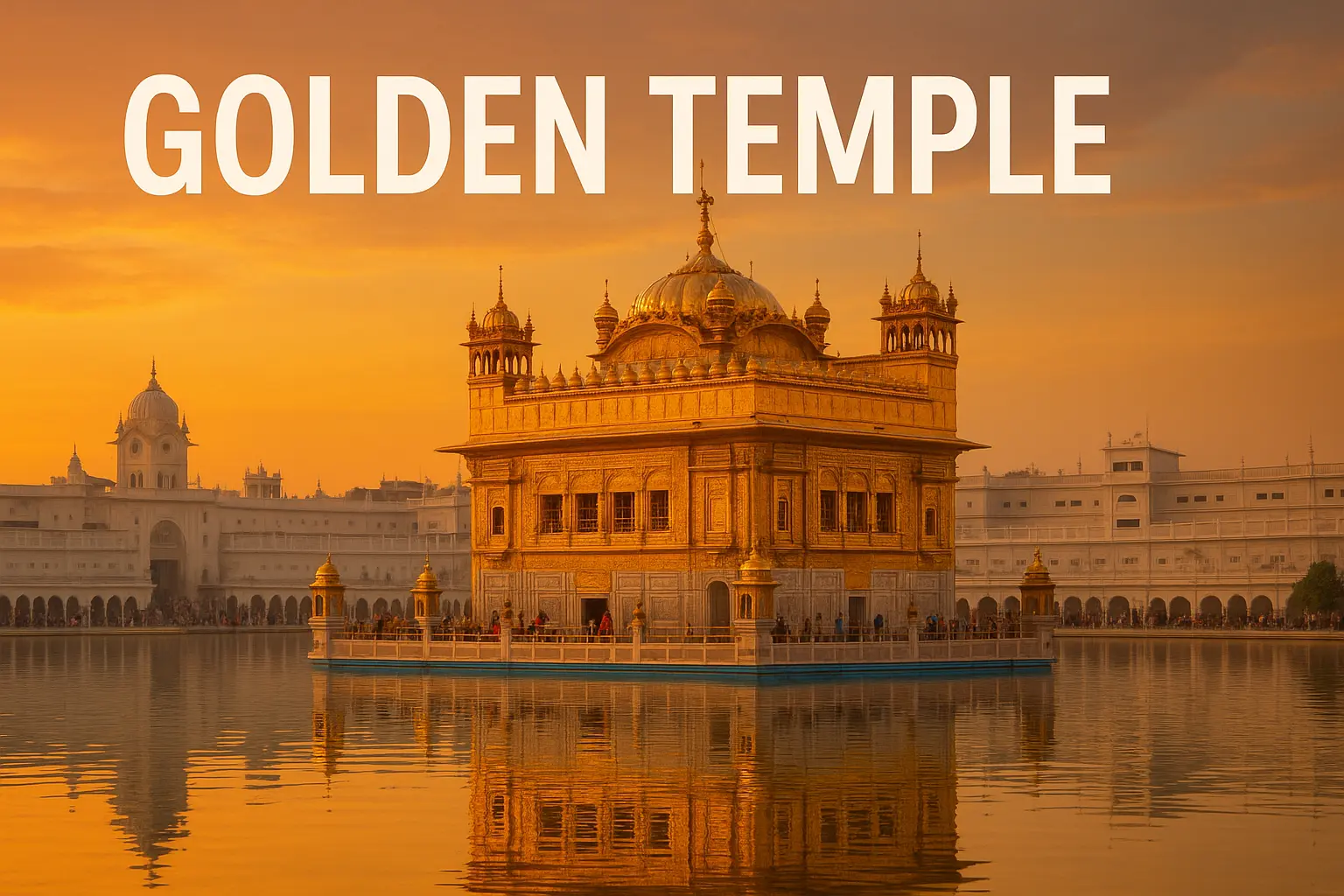
Everything You Need to Know for Your Visit
The Kamakhya Temple, perched atop the Nilachal Hill in Guwahati, Assam, is one of the most revered Shakti Peethas in India. Dedicated to Goddess Kamakhya, the embodiment of desire and feminine power, this ancient temple attracts millions of devotees and tourists each year seeking spiritual solace and blessings. If you’re planning a visit, understanding the Kamakhya Temple timings and Aarti schedule is crucial to make the most of your pilgrimage.
This comprehensive blog post delves into every aspect of the temple, from its historical roots to practical tips, ensuring you have all the information needed for a fulfilling experience. Whether you’re interested in the daily rituals, special festivals, or how to navigate the crowds, we’ve got you covered with detailed insights on Kamakhya Temple timings, Aarti schedule, and more.
Notes: The temple’s location on Nilachal Hill offers stunning views of the Brahmaputra River, adding to its mystical allure. Always check for any updates due to weather or events.
Kamakhya Temple Timings and Aarti Schedule
The sacred Kamakhya Temple in Guwahati, Assam, opens daily for devotees with specific darshan and aarti timings. Below is the complete schedule:
| Activity / Ritual | Timings |
|---|---|
| Temple Opening (Darshan Begins) | 05:30 AM |
| Morning Aarti | 06:00 AM |
| General Darshan | 06:30 AM – 01:00 PM |
| Temple Closing (Afternoon) | 01:00 PM – 03:00 PM |
| Temple Reopens for Darshan | 03:00 PM |
| Evening Aarti | 06:00 PM |
| Temple Closing (Night) | 10:00 PM |
Notes:
- Arrive by 7:00 AM for morning darshan to avoid crowds. VIP passes (INR 501) offer faster access but are limited during peak events.
- Photography is prohibited during Aarti to maintain sanctity. Special Aartis during festivals like Ambubachi involve elaborate setups and larger crowds.
“As the flames of the Aarti dance, so does the soul in devotion to the eternal mother.” – Inspired by ancient Tantric texts describing the ritual’s transformative power.
Special Rituals and Pujas at Kamakhya Temple
Beyond the daily Aarti, Kamakhya Temple offers various pujas and rituals that devotees can participate in. These include special offerings like animal sacrifices during Durga Puja (though optional and regulated), and Tantric rites for specific wishes. Daily Nitya Puja at 6:00 AM involves cleansing and adorning the sanctum. For VIP darshan, tickets cost INR 501, allowing faster access to the inner sanctum. Defense personnel pay INR 50. These rituals underscore the temple’s Tantric roots, where energy (Shakti) is invoked for personal and cosmic harmony. Always respect the customs, such as removing footwear and avoiding leather items.
Keypoints:
- Nitya Puja: 6:00 AM daily.
- Special pujas: Available for wishes like fertility or protection.
- VIP darshan: INR 501 for quicker entry.
Notes: Animal sacrifices are part of tradition but not mandatory; vegetarian offerings are equally revered. Consult priests for personalized rituals.
The Rich History of Kamakhya Temple
The history of Kamakhya Temple dates back to ancient times, with references in texts like the Kalika Purana. Believed to have been originally built in the 8th-9th century during the Mlechchha dynasty, the temple has undergone several reconstructions. It was destroyed during invasions, notably by Sultan Hussein Shah in 1498, and later rediscovered and rebuilt by the Koch dynasty kings, Vishwasingha and his son Naranarayan, in 1565. This blend of architectural styles, including Nilachal type with a dome-like shikhara, reflects its evolution over centuries. As one of the 51 Shakti Peethas, it holds immense religious significance, making it a cornerstone of Tantric worship and Shaktism.
Keypoints:
- Built in 8th-9th century, rebuilt in 1565.
- Destroyed and reconstructed multiple times.
- Architectural style: Nilachal with influences from Nagara.
Notes: Archaeological evidence supports the temple’s ancient origins, and it’s mentioned in 9th-century Tezpur plates. Tantric practices have been central here since the Pala dynasty era.
“The Kamakhya Temple is not just a place of worship; it’s a living embodiment of divine feminine energy that has withstood the test of time.” – A quote from a renowned spiritual scholar on the temple’s enduring legacy.
Mythological Significance and Legends of Kamakhya Temple
According to Hindu mythology, Kamakhya Temple marks the spot where the yoni (reproductive organ) of Goddess Sati fell after her self-immolation at her father Daksha’s yagna. Lord Shiva, in grief, carried her body and performed the Tandava, leading Lord Vishnu to dismember it with his Sudarshan Chakra to calm him. This site, known as Kamarupa, is where Kamadeva regained his form after being cursed by Lord Brahma, hence the name Kamakhya. The temple symbolizes fertility, desire, and creative power, attracting Tantric practitioners and devotees seeking fulfillment of wishes like marriage, children, or prosperity. Unlike other temples, there’s no idol; the goddess is worshipped as a natural rock formation representing the yoni, kept moist by an underground spring.
Keypoints:
- Shakti Peetha where Sati’s yoni fell.
- Associated with Kamadeva’s legend.
- Symbolizes fertility and Tantric energy.
Notes: The absence of an idol emphasizes the temple’s unique Tantric traditions. Devotees often perform rituals to ward off evil or fulfill desires, blending mythology with practical spirituality.
How to Reach Kamakhya Temple: Travel Guide
Reaching Kamakhya Temple is straightforward, given its location in Guwahati. The nearest airport, Lokpriya Gopinath Bordoloi International Airport, is 20 km away; taxis or app-based cabs take about 45 minutes. From Guwahati Railway Station (8 km), autos or buses are affordable options. By road, national highways connect to major cities; local transport like shared vans climbs the hill. Once at the base, a short walk or steps lead to the entrance. For those searching “how to reach Kamakhya Temple,” plan for traffic during festivals.
Keypoints:
- Airport: 20 km, 45-min drive.
- Railway: 8 km, easy local transport.
- Road: Well-connected highways.
Notes: The hill road can be steep; opt for cabs if mobility is an issue. Parking is available but limited during peaks.
Best Time to Visit Kamakhya Temple
The ideal time for visiting Kamakhya Temple is during winter (October to March), when temperatures range from 15°C to 25°C, making the climb comfortable. Avoid monsoons (June-September) due to slippery paths, though Ambubachi Mela in June is a must for enthusiasts. Durga Puja in October brings vibrant celebrations. For fewer crowds, weekdays in winter are best. Considering Kamakhya Temple timings, early mornings offer serene darshan.
Keypoints:
- Winter: October-March, pleasant weather.
- Festivals: Ambubachi (June), Durga Puja (October).
- Avoid: Monsoons for safety.
Notes: Winter visits align with clear skies for panoramic views. Book accommodations in advance during festivals.
Ambubachi Mela 2025: A Unique Festival at Kamakhya Temple
Ambubachi Mela, celebrating the goddess’s annual menstruation, is a highlight in 2025. Starting June 22 at 2:56 PM (Prabritti), the temple closes from June 23-25 for rituals. It reopens on June 26 at 3:19 AM (Nribritti) after purification. This four-day event draws lakhs of devotees for Tantric practices and fairs. Special notes: No VIP darshan on June 26-27 due to crowds. If planning for Ambubachi Mela 2025, arrive early and prepare for the spiritual intensity.
Keypoints:
- Dates: June 22-26, 2025.
- Closure: June 23-25.
- Reopening: June 26 morning.
Notes: The festival symbolizes fertility; women devotees often participate prominently. Health precautions are advised amid large gatherings.
“In the silence of Ambubachi, the goddess reveals her deepest mysteries to the devoted heart.” – A poetic reflection from a Tantric practitioner on the festival’s essence.
Visitor Tips and Etiquette for Kamakhya Temple
To ensure a respectful visit, follow these tips: Dress modestly (cover shoulders and legs), remove footwear at designated spots, and avoid photography inside. The temple is a no-tobacco zone since 2016. Carry water, but no plastic bottles inside. For Kamakhya Temple timings, aim for off-peak hours. Women during menstruation are traditionally advised to avoid entry, aligning with the temple’s symbolism. Donate responsibly and beware of unauthorized online pujas; use official channels.
Keypoints:
- Dress code: Modest clothing.
- Prohibitions: No tobacco, photography, leather.
- Tips: Early arrival, official bookings.
Notes: Accessibility aids like wheelchairs are limited; inform authorities in advance. Respect queues and priests for a harmonious experience.
Nearby Attractions Around Kamakhya Temple
Enhance your trip by exploring nearby sites. Umananda Temple on Peacock Island offers a boat ride on the Brahmaputra. The Assam State Museum showcases regional artifacts, while the Guwahati Planetarium is great for families. For nature, visit the Assam State Zoo. These spots complement your Kamakhya Temple visit, providing a mix of spirituality and culture.
Keypoints:
- Umananda Temple: River island shrine.
- Assam State Museum: Cultural exhibits.
- Zoo: Wildlife and gardens.
Notes: Allocate a day for Guwahati sightseeing; many are within 10-20 km. Combine with local Assamese cuisine for a full experience.
Accommodation Options Near Kamakhya Temple
Guwahati offers diverse lodging options near Kamakhya Temple. Budget travelers can opt for guesthouses like Hotel Atithi (2 km away, INR 1500-2000/night). Mid-range hotels like Hotel Prag Continental (5 km, INR 3000-4000) offer comfort and proximity. For luxury, Vivanta Guwahati (7 km, INR 8000+) provides top-tier amenities. During Ambubachi or Durga Puja, book at least two months in advance due to high demand.
Keypoints:
- Budget: Guesthouses (INR 1500-2000).
- Mid-range: Hotels like Prag Continental (INR 3000-4000).
- Luxury: Vivanta Guwahati (INR 8000+).
Notes: Many hotels offer temple transport; confirm with your booking. Homestays in Guwahati provide a local cultural experience.
Local Cuisine and Dining Near Kamakhya Temple
Exploring Assamese cuisine enhances your visit. Near the temple, small eateries serve traditional dishes like Assam laksa (spicy noodle soup), pithas (rice cakes), and fish tenga (sour curry). For a proper dining experience, restaurants like Paradise (4 km) or Khorika (5 km) offer authentic Assamese thalis (INR 200-500). Street food stalls near the temple sell prasad-like sweets, but ensure hygiene. Vegetarian options are plentiful, aligning with temple customs.
Keypoints:
- Local dishes: Assam laksa, pithas, fish tenga.
- Dining: Paradise, Khorika restaurants.
- Cost: Thalis INR 200-500.
Notes: Carry bottled water to street stalls. Inform restaurants of dietary preferences, as Assamese cuisine often uses fish or meat.
Conclusion: Embrace the Divine at Kamakhya Temple
In summary, Kamakhya Temple stands as a beacon of spiritual power, with its timings and Aarti schedule designed to facilitate deep devotion. From the early morning Snana to the evening Aarti, every moment invites connection with the divine feminine. Whether you’re drawn by faith, history, or curiosity, a visit here promises transformation. Plan around the Kamakhya Temple timings, respect the traditions, and let the energy of Goddess Kamakhya guide you. Safe travels and may your wishes be fulfilled!
FAQs about Kamakhya Temple Timings, Aarti, and Festivals
1. What are the daily darshan timings of Kamakhya Temple?
The Kamakhya Temple in Guwahati opens at 5:30 AM every day for devotees. Darshan is available from 6:30 AM to 1:00 PM in the morning session, and from 3:00 PM until 10:00 PM in the evening session. Between 1:00 PM and 3:00 PM, the temple remains closed for rituals and cleaning.
2. At what time is the morning aarti performed at Kamakhya Temple?
The morning aarti at Kamakhya Temple is performed at 6:00 AM, soon after the goddess is bathed and adorned for the day. Devotees gather during this time to witness the auspicious rituals and seek blessings.
3. When is the evening aarti held at Kamakhya Temple?
The evening aarti takes place at around 6:00 PM daily. The temple remains open for darshan till 10:00 PM, making it one of the most spiritual experiences for visitors.
4. Does Kamakhya Temple remain open in the afternoon?
No, Kamakhya Temple remains closed between 1:00 PM and 3:00 PM every day. This period is reserved for the Goddess’s bhog (food offering) and temple maintenance before reopening for evening darshan.
5. What is the significance of Ambubachi Mela at Kamakhya Temple?
Ambubachi Mela, held in June, is the most important festival at Kamakhya Temple. It marks the annual menstruation period of Goddess Kamakhya, symbolizing fertility and womanhood. Devotees from across India and abroad gather during this time to participate in the grand rituals and celebrations.
6. Which other major festivals are celebrated at Kamakhya Temple?
Apart from Ambubachi Mela, the temple also celebrates Durga Puja, Vasanti Puja, Manasha Puja, and Durgadeul Festival with grandeur. These festivals attract thousands of pilgrims who come to witness special rituals and aartis dedicated to Goddess Kamakhya.
7. What are the best months to visit Kamakhya Temple?
The best time to visit Kamakhya Temple is between October and March when the weather in Guwahati is pleasant. However, for devotees seeking a unique spiritual experience, visiting during Ambubachi Mela in June or Durga Puja in October is highly recommended.
8. Is there any entry fee for darshan at Kamakhya Temple?
No, there is no entry fee for general darshan at Kamakhya Temple. However, for special darshan or faster queue access, there may be a nominal donation or VIP ticket, especially during major festivals like Ambubachi Mela and Durga Puja.
9. How long does it take for darshan at Kamakhya Temple?
On normal days, darshan at Kamakhya Temple may take 1–2 hours, depending on the crowd. During festivals such as Ambubachi Mela or Durga Puja, the waiting time can extend to 5–6 hours or more due to heavy rush of pilgrims.
10. What are the temple closing hours at Kamakhya Temple?
Kamakhya Temple closes at 10:00 PM every night after the evening aarti and rituals. Devotees are advised to plan their visit accordingly to avoid missing the evening darshan.