


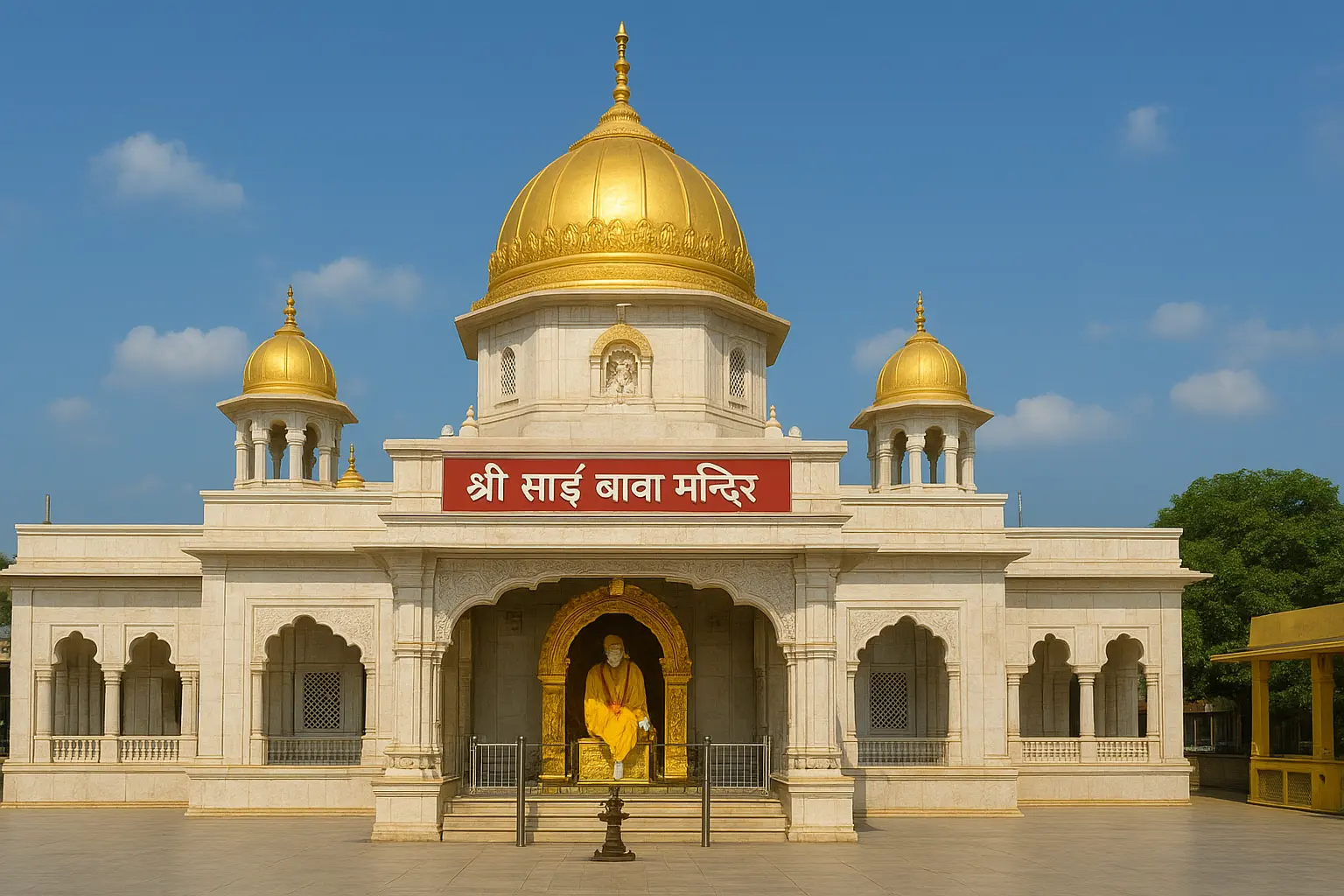
Ultimate Guide to Shirdi Sai Baba Temple: Timings, Aarti Schedule, Trip Tips, and More
Welcome to this comprehensive Shirdi Sai Baba Temple guide! As a global hub of spirituality, the temple draws devotees seeking blessings from Sai Baba, emphasizing faith and unity. This post covers Shirdi Sai Baba Temple timings, Sai Baba Aarti schedule, travel essentials, and more for your pilgrimage. Keywords like Shirdi travel guide, Sai Baba darshan tips, and Shirdi festivals ensure easy discovery.
Shirdi, located in Maharashtra, India, is synonymous with Sai Baba, whose teachings transcend religions and cultures. The temple, officially known as Shri Saibaba Sansthan Temple, stands as a testament to his legacy. Devotees flock here for darshan (holy viewing), to participate in aartis (devotional songs), and to immerse themselves in the serene atmosphere. Planning a trip to Shirdi Sai Baba Temple requires understanding its operational details, especially the timings and schedules, which can vary slightly based on festivals or seasons. As of 2025, the temple continues to operate with a structured daily program to accommodate the influx of visitors.
Shirdi Sai Baba Temple Timings and Aarti Schedule
Understanding the Shirdi Sai Baba Temple timings is crucial for any visitor to avoid long waits and make the most of your darshan. As per the official schedule, the temple opens early in the morning and closes late at night, allowing ample time for devotees.
| Temple Activity / Aarti | Timing |
|---|---|
| Temple Opens (Mandir Darshan) | 4:00 AM |
| Bhupali (Morning Prayer) | 4:15 AM |
| Kakad Aarti (Morning Aarti) | 4:30 AM – 5:00 AM |
| Holy Bath of Sai Baba (Abhishekam) | 5:05 AM – 5:35 AM |
| Darshan Begins | 5:40 AM |
| Morning Aarti – Shirdi Majhe Pandharpur | 5:45 AM |
| Midday Aarti (Madhyan Aarti) | 12:30 PM – 1:00 PM |
| Dhoop Aarti (Evening Aarti) | Sunset (Around 6:30 PM – 7:00 PM) |
| Shej Aarti (Night Aarti) | 10:30 PM – 10:50 PM |
| Temple Closes | 11:15 PM |
Keypoints:
- Opens 4:45 AM, closes 10:15 PM.
- Peak on Thursdays; use VIP passes.
- Brief closures for cleaning.
Notes:
- Dress modestly: no shorts or sleeveless attire.
- Carry ID for security checks.
- Wheelchair access available for differently-abled.
In addition to regular timings, the temple adjusts for maintenance or high-volume days, ensuring safety and sanctity. Devotees can check the official app for live queue status, reducing wait times from hours to minutes with proper planning. Photography is restricted in inner areas to maintain reverence.
“Why fear when I am here?” – Shirdi Sai Baba
History and Significance of Shirdi Sai Baba Temple
Sai Baba arrived in Shirdi around 1858, living simply in Dwarkamai mosque, performing miracles, and teaching “Sabka Malik Ek.” He attained Mahasamadhi in 1918, and the temple was built over his samadhi in 1922, managed by Shri Saibaba Sansthan Trust. It’s a symbol of interfaith harmony, attracting millions yearly.
Visiting the Shirdi Sai Baba Temple isn’t just a pilgrimage—it’s an opportunity to reflect on life’s deeper meanings and seek inner peace.
The temple complex includes key sites like the Samadhi Mandir (main shrine), Dwarkamai (Sai Baba’s mosque-home), Chavadi (where he slept on alternate nights), and Lendi Baug (a garden he frequented). These spots hold immense historical value, offering insights into Sai Baba’s daily life. For instance, in Dwarkamai, the eternal dhuni (sacred fire) burns continuously, and its ashes (udi) are distributed as prasad for healing. The significance of Shirdi Sai Baba Temple lies in its role as a living embodiment of Sai Baba’s teachings: humility, charity, and devotion. Millions visit annually, making it one of India’s top pilgrimage sites, comparable to Tirupati or Vaishno Devi.
This timeless quote reminds us of Sai Baba’s protective presence, much like the comforting rituals at the temple.
How to Reach Shirdi Sai Baba Temple
Reaching the Shirdi Sai Baba Temple is straightforward, with multiple transportation options catering to different budgets. Shirdi is well-connected by air, rail, and road. The nearest airport is Shirdi International Airport (SAG), about 14 km from the temple, with flights from major cities like Mumbai, Delhi, and Hyderabad. Taxis and buses are available outside the airport for a quick 20-30 minute ride.
By train, Sainagar Shirdi Railway Station is just 3 km away, with direct trains from Mumbai, Pune, Chennai, and other hubs. Auto-rickshaws or cabs can take you to the temple in minutes. For road travelers, Shirdi is accessible via national highways. From Mumbai (242 km), it takes about 5-6 hours by car or bus; state transport buses run frequently from Mumbai, Pune (187 km), and Nashik (90 km). Private taxis or self-drive options offer flexibility.
Once in Shirdi, the temple is centrally located, walkable from most hotels. For international visitors, flying into Mumbai and then taking a domestic flight or train is ideal. Budget tip: Book trains in advance during peak seasons to avoid rush.
Notes:
- Book flights early for deals.
- Verify train schedules.
- Avoid peak-hour arrivals.
Road options include buses from Mumbai (242 km, 5-6 hours), Pune (187 km), or Nashik (90 km). Private cabs offer comfort, while state buses are economical. International visitors often fly to Mumbai first, then connect domestically.
Accommodation Options Near Shirdi Sai Baba Temple
Finding accommodation near Shirdi Sai Baba Temple is easy, with options ranging from budget to luxury. The Shri Saibaba Sansthan Trust offers affordable stays like Sai Ashram (1,000 rooms), Dwarawati, and New Bhakta Niwas, starting at ₹200-₹900 per night, bookable online. These are within walking distance and include basic amenities.
For mid-range, hotels like Saibaba International Hotel or Hotel G-Square offer rooms from ₹1,500-₹3,000, with AC, Wi-Fi, and temple views. Luxury seekers can opt for Sun-n-Sand, a 5-star property 10 minutes away, with pools and spas starting at ₹5,000. Book in advance, especially during festivals.
Notes:
- Book online via sai.org.in.
- Limited availability peaks.
- Clean, devotional ambiance.
Mid-range hotels like Saibaba International or Hotel G-Square offer AC rooms from ₹1,500-₹3,000, including Wi-Fi and views. Luxury like Sun-n-Sand (₹5,000+) features pools. Homestays provide local flavor at ₹1,000-₹2,000.
“Sabka Malik Ek” (One God governs all) – Shirdi Sai Baba
Best Time to Visit Shirdi Sai Baba Temple
The best time to visit Shirdi Sai Baba Temple is from October to March, when the weather is pleasant with temperatures between 12-25°C, ideal for outdoor activities and long queues. Winters bring a cool breeze, making darshan comfortable, but expect crowds during festivals like Diwali, Christmas, and New Year.
Summers (March-May) can be hot, with temperatures up to 40°C, so avoid if you’re sensitive to heat. Monsoons (June-September) offer lush greenery but slippery paths and occasional disruptions. For fewer crowds, visit on weekdays in non-festival months like January or February. Festivals like Guru Purnima (July) and Ram Navami (April) are vibrant but packed, so plan for extended waits.
Early mornings (4-6 AM) or late evenings are best for peaceful darshan, taking about 30-60 minutes versus 2-3 hours during peaks.
Notes:
- Pack layers for cool evenings.
- Weekdays for fewer crowds.
- Monitor weather forecasts.
For minimal queues, aim for weekdays in January-February. Early mornings (4-6 AM) offer serene experiences, with darshan in 30-60 minutes versus peaks.
Things to Do in Shirdi Besides the Temple
While the Shirdi Sai Baba Temple is the highlight, there’s more to explore. Visit Dwarkamai for the sacred dhuni, or Lendi Baug for peaceful walks. The Sai Baba Museum showcases artifacts from his life.
Nearby, Shani Shingnapur Temple (70 km) is famous for its doorless houses, or head to Bhandardara for scenic hills. Wet N Joy Water Park offers family fun, and Khandoba Mandir is a short walk away.
Shop for souvenirs like Sai Baba idols, books, and udi at local markets.
Notes:
- Collect udi for blessings.
- Reflect on teachings.
- Guided tours available.
Visit Sai Teerth Devotional Theme Park for immersive shows on Sai Baba’s life, or Wet N Joy Water Park for family fun. Nearby, Shani Shingnapur (70 km) features unique doorless homes, and Bhandardara offers scenic hills and lakes.
Food and Dining in Shirdi
Shirdi offers simple, sattvic (pure) food aligning with spiritual vibes. The temple’s Prasadalaya serves free or low-cost meals like dal-rice and sweets to thousands daily. Nearby eateries provide Maharashtrian thalis, South Indian dosas, and North Indian curries. Try Sai Prasad or MTDC Restaurant for hygienic options. Avoid street food if hygiene concerns you; opt for bottled water.
Vegetarianism is the norm, honoring Sai Baba’s principles. During festivals, special prasad like pedas is distributed.
Keypoints:
- Prasadalaya: Affordable, pure food.
- Local cuisines: Varied options.
- Vegetarian focus.
Notes:
- Timings match temple.
- Hygiene priority.
- Try local sweets.
During festivals, special prasad enhances the experience. Avoid street food if concerned; opt for bottled water and trusted spots like Sai Prasad Restaurant.
Major Festivals at Shirdi Sai Baba Temple
Major festivals include Ram Navami (March/April), celebrating Sai Baba’s interfaith legacy with processions and aartis. Guru Purnima (July) honors gurus with bhajans and discourses.
Keypoints:
- Major festivals: Ram Navami, Guru Purnima, Gokulashtami (August), Vijayadashami.
- Weekly Thursday palki adds vibrancy.
- Plan for crowds, book early.
Notes:
- Meditate on Sai Baba’s teachings.
- Capture memories ethically (no shrine photos).
- Reflect post-visit for spiritual growth.
Vijayadashami (October) marks Sai Baba’s Mahasamadhi with grand palki processions. Other events like Dussehra and Diwali feature decorations and extended timings.
Additional Festivals
Shirdi celebrates Mahashivaratri (February/March) with Shiva worship, Rang Panchami with gulal and chariot processions, and Ganesh Chaturthi (August/September) with pujas and visarjan. Festivals like Gudi Padwa, Hanuman Jayanti, and Raksha Bandhan also feature special prayers and processions, reflecting Sai Baba’s inclusive ethos.
Keypoints:
- Diverse festivals: Shiva, Krishna, Ganesh.
- Inclusive celebrations.
- Varied rituals and processions.
Notes:
- Plan multi-festival visits.
- Respect varied traditions.
- Engage in cultural programs.
Rituals and Traditions During Festivals
Festivals feature rituals like abhishekam (ceremonial bathing of Sai Baba’s idol with milk, honey, and sandalwood), prasad distribution, and grand processions with palanquins or chariots. Bhajans, kirtans, and public parayana of Sai Satcharitra are integral, with all-night sessions during Vijayadashami. The eternal dhuni at Dwarkamai provides udi, believed to have healing powers. Cultural performances, including classical music and dance, enhance the spiritual fervor.
Keypoints:
- Abhishekam, prasad, processions.
- Udi from dhuni for blessings.
- Cultural performances included.
Notes:
- Collect udi respectfully.
- Join parayana for insights.
- Dress appropriately for rituals.
Practical Tips for Visiting During Festivals
Visiting during festivals requires planning due to crowds. Book darshan and aarti passes via sai.org.in months in advance, as wait times can exceed 3-4 hours. Accommodations like Sai Ashram or hotels (₹200-₹5,000/night) fill quickly; reserve early. Arrive early for processions and carry ID, water, and modest attire (no leather). Budget: ₹7,000-₹15,000 for 2-3 days, including travel, stay, and food. Use the temple’s app for live updates and opt for Prasadalaya meals for affordability.
Keypoints:
- Book passes, stays early.
- Budget: ₹7,000-₹15,000.
- Use temple app for updates.
Notes:
- Avoid peak hours for comfort.
- Assist elderly in crowds.
- Follow eco-friendly practices.
Trip Guide: Keypoints and Notes for Visitors
Plan with online bookings for darshan, aartis, and stays to streamline your visit. Budget: Economy ₹5,000-₹10,000 for 2-3 days including travel and food; luxury ₹20,000+.
Here’s a detailed Shirdi trip guide with keypoints and notes to ensure a smooth pilgrimage:
Keypoints for Planning Your Shirdi Trip:
- Book in Advance: Reserve darshan passes, aarti tickets, and accommodation via sai.org.in to skip queues.
- Dress Code: Modest clothing; cover shoulders and knees. Leather items are prohibited inside.
- Darshan Tips: Use VIP passes (₹200-₹500) for faster entry. Free darshan lines are longer but rewarding.
- Health and Safety: Carry ID, medications, and stay hydrated. Wheelchairs are available for elderly.
- Budget Breakdown: Economy trip: ₹5,000-₹10,000 (travel, stay, food for 2-3 days). Luxury: ₹20,000+.
- Eco-Friendly Practices: Use reusable bags; the temple promotes cleanliness.
Notes for a Memorable Visit:
- Post-visit, reflect on Sai Baba’s teachings for lasting impact.
- Arrive early for Kakad Aarti to experience serenity.
- Donate via official channels; avoid touts.
- Attend Thursday bhajans for vibrant energy.
- If traveling with kids, visit nearby parks.
- Respect silence zones; photography is restricted in shrines.
- For international visitors, e-visas are easy; currency exchange at airports.
“Have faith and patience. Then I will be always with you, wherever you are.” – Shirdi Sai Baba
conclusion
trip to Shirdi Sai Baba Temple is more than a visit—it’s a transformative journey of faith. With this guide covering Shirdi Sai Baba Temple timings, Aarti schedule, and everything else, you’re set for an enriching experience. Remember to approach with an open heart, and Sai Baba’s blessings will follow. Safe travels!
Frequently Asked Questions (FAQs) about Shirdi Sai Baba Temple
1. What are the daily darshan timings of Shirdi Sai Baba Temple?
The Shirdi Sai Baba Temple opens every day at 4:00 AM and closes at 11:15 PM. Devotees can have darshan throughout the day in between the scheduled aartis. The first darshan starts after the Kakad Aarti in the early morning, and the last darshan is before the Shej Aarti at night.
2. What time does Kakad Aarti take place in Shirdi Temple?
The Kakad Aarti, also known as the morning aarti, is performed daily from 4:30 AM to 5:00 AM. It is the first ritual of the day, where devotees wake Sai Baba with hymns and prayers. Many devotees prefer attending Kakad Aarti as it is considered highly auspicious.
3. What is the timing of Madhyan (Midday) Aarti at Shirdi?
The Madhyan Aarti, also called the midday aarti, takes place from 12:30 PM to 1:00 PM. This aarti is performed after the morning darshan sessions and is one of the four main aartis of the temple.
4. What are the evening aarti timings in Shirdi Sai Baba Temple?
The Dhoop Aarti, or evening aarti, is performed at sunset, usually around 6:30 PM to 7:00 PM depending on the season. It marks the end of the day and is attended by a large number of devotees who wish to offer prayers before night falls.
5. When is Shej Aarti performed in Shirdi Temple?
The Shej Aarti is the final aarti of the day, performed at 10:30 PM and lasting till about 10:50 PM. During this aarti, Sai Baba is symbolically put to rest for the night. After this, darshan is closed, and the temple shuts down by 11:15 PM.
6. What time does the holy bath (Abhishekam) of Sai Baba take place?
The holy bath or Abhishekam of Sai Baba’s idol is conducted daily between 5:05 AM and 5:35 AM. This is done right after the Kakad Aarti. Many devotees gather to witness this sacred ritual as it is considered highly divine and spiritually uplifting.
7. Can devotees attend all the aartis at Shirdi Temple in a single day?
Yes, devotees can attend all the four major aartis (Kakad, Madhyan, Dhoop, and Shej Aarti) in a single day if they plan their visit accordingly. However, advance online booking or obtaining aarti passes from the temple is often recommended, especially during weekends and festival days.
8. Is there any entry fee for attending aartis at Shirdi Sai Baba Temple?
There is no general entry fee for darshan at Shirdi Sai Baba Temple. However, for attending special aartis like Kakad Aarti or Shej Aarti, devotees may need to book paid passes either online or at the temple premises due to limited seating.
9. What is the best time to visit Shirdi Sai Baba Temple for darshan?
The best time to visit the temple for darshan is early in the morning during Kakad Aarti or late evening during Dhoop Aarti, when the temple atmosphere is filled with devotional music and chants. Weekdays are less crowded compared to weekends and Thursdays (considered Sai Baba’s day).
10. How can devotees book Shirdi Sai Baba Temple Aarti passes online?
Devotees can book aarti passes online through the official Shri Saibaba Sansthan Trust website. After selecting the preferred aarti, date, and time, visitors can pay online and receive confirmation. Carrying a valid ID proof is mandatory for entry into the aarti hall.