


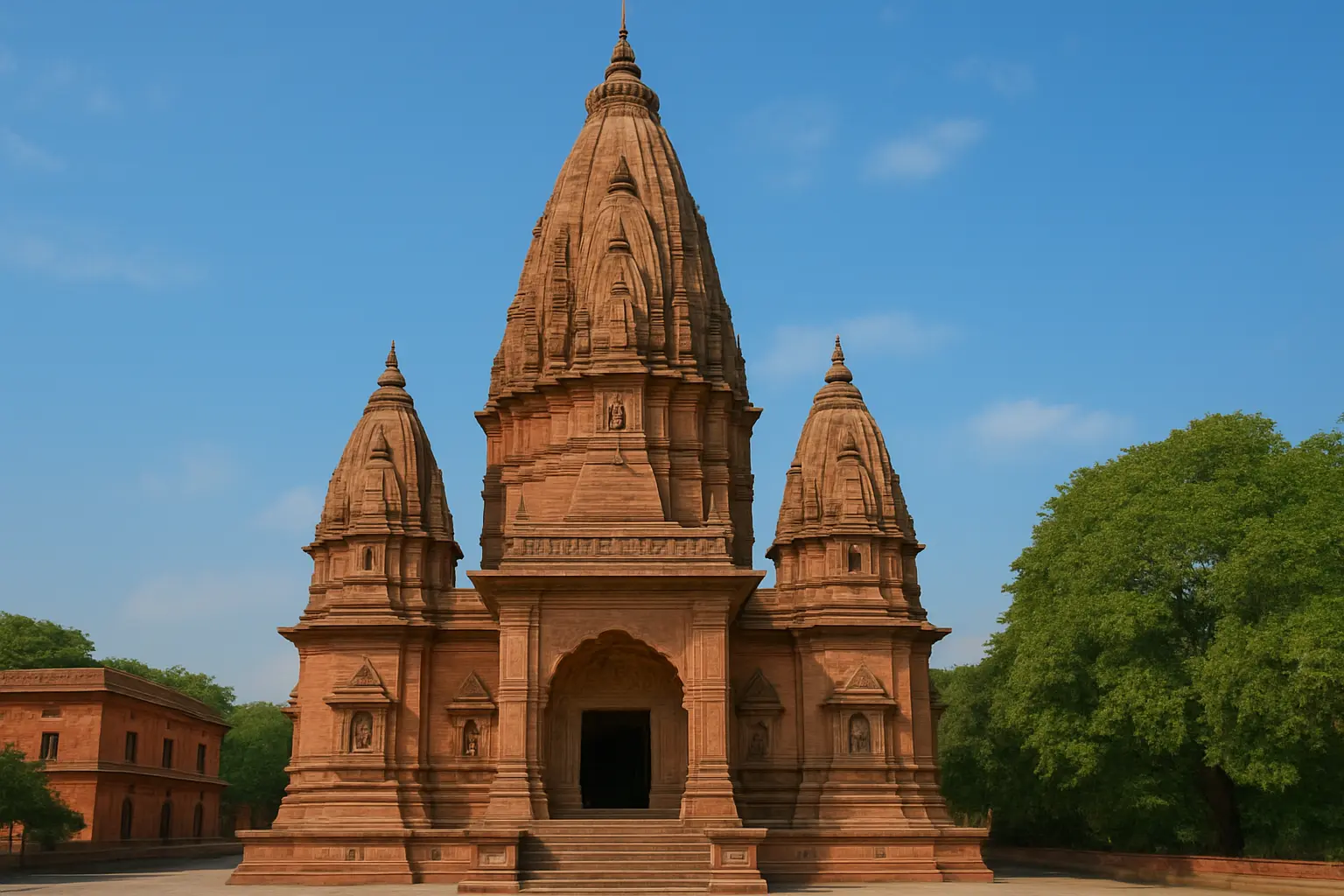
History, Architecture, and Complete Visitor Guide
Varanasi, the spiritual capital of India, is home to the iconic Durga Temple, also known as Durga Mandir or Durga Kund Temple. Dedicated to Goddess Durga, the symbol of strength and divine feminine energy, this shrine draws millions of devotees and tourists annually. Whether you’re seeking Durga Temple Varanasi timings, the Aarti schedule, or insights into its history, architecture, and rituals, this detailed guide covers it all. With its vibrant legacy and sacred aura, the temple is a must-visit in Kashi. Let’s explore everything about Durga Temple Varanasi for an unforgettable spiritual journey.
Key Points:
- Located in Anandbagh, Bhelupur, Varanasi.
- Built in the 18th century by Rani Bhabani.
- Famous for its swayambhu Durga idol and Nagara architecture.
- Known as the “Monkey Temple” due to resident monkeys.
Durga Temple Varanasi Timings and Aarti Schedule
Durga Temple in Varanasi is one of the city’s most revered Shakti Peethas, attracting devotees throughout the year. Below is a complete guide to the temple’s opening hours and daily aarti schedule for your visit.
| Event / Darshan Type | Timings |
|---|---|
| Temple Opening Time | 5:00 AM |
| Morning Darshan | 5:00 AM – 12:00 PM |
| Afternoon Break | 12:00 PM – 2:00 PM |
| Evening Darshan | 2:00 PM – 9:00 PM |
| Morning Aarti | 5:30 AM |
| Midday Bhog Aarti | 12:00 PM |
| Evening Aarti | 7:00 PM |
| Temple Closing Time | 9:00 PM |
| Aarti Schedule | Time |
|---|---|
| Mangala Aarti | 5:30 AM |
| Shringar Aarti | 7:30 AM |
| Bhog Aarti | 12:00 PM |
| Sandhya Aarti | 7:00 PM |
| Shayan Aarti | 8:30 PM |
Note: Aarti timings may change during Navratri and other major festivals, so check locally before visiting.
Historical Roots of Durga Temple
The Durga Temple Varanasi, constructed around 1760 by Rani Bhabani of Natore, reflects Bengal’s cultural influence in Varanasi. This 18th-century marvel, built in the Nagara style, survived Mughal invasions due to timely renovations. Rani Bhabani’s devotion to Goddess Durga shaped this shrine as a symbol of resilience and faith, blending Bengali and local Kashi traditions. Some historians suggest the site’s spiritual significance dates back over 500 years.
Note: Rani Bhabani, a Bengali queen, was a key patron of Hindu temples, contributing significantly to Varanasi’s religious landscape.
The Legend of the Swayambhu Idol
Local folklore adds mysticism to the temple’s history. The idol of Goddess Durga is believed to be swayambhu—self-manifested, not crafted by artisans. Devotees say it appeared miraculously, enhancing the temple’s divine allure. The Skanda Purana describes Durga as Varanasi’s southern protector, safeguarding the city from threats. This legend draws pilgrims seeking her blessings for strength and protection.
Key Points:
- Swayambhu idol is a rare, miraculous phenomenon.
- Durga is believed to guard Kashi from southern invasions.
“The goddess smiled and said, ‘I will remain here in Kashi, always, O King Subahu! As long as Kashi stands upon the face of the earth.'” – A legendary quote from ancient tales of Durga’s protection over Varanasi.
Architectural Splendor
The temple’s Nagara-style architecture is a visual delight, with its red ochre exterior symbolizing Durga’s fierce energy. The multi-tiered shikhara, resembling a pyramid, features intricate carvings of Durga slaying Mahishasura. The structure represents the five elements—earth, water, fire, air, and ether—guiding devotees toward spiritual enlightenment. Ornate columns and vibrant walls create an ethereal ambiance.
Note: The red hue represents power, fertility, and auspiciousness in Hindu iconography.
The Sacred Durga Kund
Adjacent to the temple is Durga Kund, a rectangular pond once linked to the Ganges. Though urban development severed this connection, the kund remains vital for rituals, filled with rainwater and temple drainage. Devotees believe bathing here purifies the soul, akin to a Ganges dip. The kund’s serene presence contrasts Varanasi’s bustling streets.
Key Points:
- Durga Kund is used for rituals like Nag Panchami.
- Bathing here is believed to cleanse spiritual impurities.
Spiritual Significance
As a Shakti Peetha, Durga Temple is a powerhouse of divine energy. Goddess Durga, Varanasi’s protector, embodies strength and victory over evil. Myths recount her triumph over Mahishasura, celebrated during Navratri. The temple attracts tantric practitioners and yogis, who seek spiritual awakening through Durga’s blessings for courage and resilience.
Note: The temple is a focal point for Shakti worship, drawing sadhus for meditation and rituals.
Durga Temple Varanasi Timings
The temple opens daily from 5:00 AM to 12:00 PM or 1:00 PM, reopening from 3:00 PM or 4:00 PM to 8:00 PM or 10:00 PM, depending on the season. Afternoon closures facilitate rituals. Visitors should verify Durga Temple Varanasi timings via official sources, as they may shift during festivals or special events.
Key Points:
- Open in two sessions: morning and evening.
- Timings may extend during Navratri.
Aarti Schedule at Durga Mandir
The Aarti ceremonies are soul-stirring. Mangala Aarti at 5:00 AM starts the day with chants and lamps. Evening Aarti (6:00 PM–8:00 PM) is vibrant, with bells and hymns. Shayan Aarti, around 10:00 PM, bids the goddess goodnight. During Navratri, special aartis extend late, creating a divine atmosphere.
Note: Evening Aarti is the most attended, offering a mesmerizing experience.
Major Festivals Celebrated
Navratri (September-October) is the temple’s grandest festival, with nine nights of pujas, kanya pujan, and dances honoring Durga’s forms. Durga Puja showcases Bengali traditions, drawing huge crowds. Nag Panchami (July-August) features serpent worship at Durga Kund. Maha Shivratri connects Durga to Shiva, adding spiritual depth.
Key Points:
- Navratri includes midnight aartis and cultural events.
- Nag Panchami recreates Vishnu on Shesha Nag in the kund.
“Durgakund Temple is not just a shrine; it is a living symbol of feminine power, divine protection, and spiritual strength.” – A modern reflection on the temple’s enduring legacy.
Rituals and Offerings
Devotees offer flowers, coconuts, and sweets like peda as prasad. Special pujas, such as Durga Homa, seek blessings for prosperity. During Navratri, symbolic vegetarian sacrifices honor Durga’s victory. Chanting Durga Saptashati or offering chunari is believed to fulfill wishes.
Note: Prasad shops outside the temple offer hygienic, affordable offerings.
The Monkey Temple Nickname
Known as the “Monkey Temple,” the shrine is home to numerous monkeys. These playful creatures add charm but require caution, as they may snatch food or shiny items. Visitors should secure belongings, especially in the courtyard, to avoid monkey mischief.
Key Points:
- Monkeys are most active in the morning and evening.
- Avoid carrying food openly to prevent incidents.
How to Reach Durga Temple
Located in Anandbagh, Bhelupur, the temple is accessible from Lal Bahadur Shastri Airport (25 km, 45-60 minutes by taxi/auto). Varanasi Junction (6-7 km) connects via shared autos (Rs. 20-50) or rickshaws. From Godowlia Chowk, cycle or e-rickshaws cost Rs. 50-100. GPS: 25.2905° N, 82.9981° E.
Note: E-rickshaws are eco-friendly and budget-friendly for short distances.
Best Time to Visit
October to March offers pleasant weather, ideal for temple visits. Summers (April-June) are hot; early mornings are best. Monsoons (July-September) bring greenery but slippery paths. Navratri and Durga Puja are vibrant but crowded, offering a unique experience.
Key Points:
- Winter visits ensure comfortable exploration.
- Festivals attract larger crowds but enrich the spiritual vibe.
Nearby Attractions
Explore Tulsi Manas Temple, steps away, with Ramayana verses on its walls. Sankat Mochan Hanuman Temple (3 km) is known for Hanuman Chalisa recitals. Assi Ghat (1 km) hosts Ganga Aarti, while BHU’s Bharat Kala Bhavan Museum displays artifacts. Kashi Vishwanath Temple (3.5 km) and Ramnagar Fort are iconic nearby sites.
Note: Combine temple visits with a Ganges boat ride for a holistic Varanasi experience.
Visitor Tips
Arrive early to avoid crowds and monkeys. Wear modest clothing, covering shoulders and knees. Remove shoes before entering and stay silent during aartis. Carry water due to Varanasi’s heat. Photography is restricted inside, and beware of touts; use official guides.
Key Points:
- Secure belongings to avoid monkey theft.
- Modest attire is mandatory for entry.
Accommodation Options
Varanasi offers stays near the temple. Budget guesthouses in Bhelupur cost Rs. 500-1500 per night. Mid-range hotels like Hotel Ganesha (2 km) charge Rs. 2000-4000. Luxury options like Taj Ganges (4 km) start at Rs. 8000. Book early during festivals.
Note: Guesthouses near Assi Ghat offer proximity and affordability.
Local Cuisine and Dining
Enjoy Varanasi’s street food near the temple, like kachori-sabzi or winter’s malaiyo. Kashi Chaat Bhandar (2 km) serves local snacks. Vegetarian restaurants like Brown Bread Bakery near Assi Ghat offer hygienic dining. Try lassi or thandai for a refreshing treat.
Key Points:
- Street food stalls are budget-friendly but check hygiene.
- Vegetarian cuisine dominates due to Varanasi’s spiritual ethos.
Cultural Impact and Community
The temple fosters community spirit, especially during festivals. Local artisans sell handicrafts, and prasad stalls thrive. Bhajans and dance performances during Navratri showcase Varanasi’s heritage. Donations support local schools and charities, strengthening community ties.
Note: Cultural events during festivals are open to all visitors.
“Durga is the goddess of the universe, Durga is the goddess who protects us all.” – An ancient invocation from Hindu scriptures, echoing the temple’s protective role.
Accessibility and Facilities
Wheelchair access is limited due to steps, but staff assist when possible. Restrooms and drinking water are available nearby. Donation boxes fund maintenance. Signage in Hindi and English aids navigation. Puja item shops are conveniently located outside.
Key Points:
- Staff assistance is available for elderly visitors.
- Basic facilities ensure a comfortable visit.
Stories of Devotees
Devotees share miracles, from healed ailments to fulfilled wishes. Many believe prayers here grant courage to face life’s challenges. The temple’s serene ambiance and rhythmic chants create a transformative experience, leaving visitors spiritually uplifted.
Note: Evening aartis are especially moving for first-time visitors.
Environmental and Conservation Efforts
The temple committee maintains Durga Kund’s cleanliness despite urban pollution. Efforts to restore the kund’s Ganges connection continue. Visitors are urged to avoid plastic and littering to preserve the site’s sanctity and natural beauty.
Key Points:
- Avoid plastic to support conservation efforts.
- Community drives clean the kund regularly.
Photography and Souvenirs
Photography is restricted inside the sanctum but allowed in the courtyard. Local shops sell Durga idols, chunaris, and prayer beads as souvenirs. Handicrafts like brass lamps and miniature shikharas make meaningful keepsakes for visitors.
Note: Bargain politely at souvenir stalls for better deals.
Safety and Etiquette
Respect temple etiquette by maintaining silence during rituals. Avoid feeding monkeys to prevent aggressive behavior. Women should carry scarves for modesty. Stay cautious of pickpockets in crowded festival seasons and stick to well-lit paths at night.
Key Points:
- Silence during aartis shows respect.
- Stay vigilant during peak festival times.
Conclusion: A Divine Journey Awaits
Durga Temple Varanasi is a beacon of faith, history, and culture. From its swayambhu idol to vibrant aartis, it offers a profound spiritual experience. Whether drawn by Durga Temple Varanasi timings, festivals, or legends, a visit connects you to Kashi’s eternal soul. Plan your pilgrimage today and embrace the goddess’s divine strength.
Durga Temple Varanasi – Frequently Asked Questions
1. What are the opening and closing timings of Durga Temple Varanasi?
Durga Temple in Varanasi opens daily at 5:00 AM and closes at 9:00 PM. The temple remains closed for an afternoon break between 12:00 PM and 2:00 PM. Devotees are advised to visit early in the morning for a peaceful darshan and to avoid heavy rush during peak hours and festivals.
2. At what time does the Mangala Aarti take place in Durga Temple?
The Mangala Aarti at Durga Temple is performed at 5:30 AM, marking the first aarti of the day. This early morning ritual is considered highly auspicious, as it involves devotional chants, conch blowing, and the lighting of lamps in honor of Goddess Durga.
3. When is the Shringar Aarti performed in Durga Temple?
The Shringar Aarti is conducted at 7:30 AM, during which the idol of Goddess Durga is beautifully decorated with flowers, ornaments, and clothes. This aarti is a visual delight for devotees and a spiritually uplifting experience.
4. What is the timing of the Bhog Aarti at Durga Temple Varanasi?
The Bhog Aarti takes place at 12:00 PM before the temple closes for the afternoon break. During this time, food offerings (bhog) are presented to the deity, which are later distributed as prasad to devotees.
5. When is the Sandhya Aarti held at Durga Temple?
The Sandhya Aarti or evening aarti is performed at 7:00 PM. It is one of the most popular rituals, attracting large gatherings as the temple glows with oil lamps and the atmosphere fills with devotional music.
6. What is the timing of the Shayan Aarti at Durga Temple Varanasi?
The Shayan Aarti is performed at 8:30 PM, just before the temple closes for the day. This aarti marks the conclusion of daily rituals and is considered a serene and calming spiritual moment.
7. Are the aarti timings at Durga Temple the same throughout the year?
In general, the aarti timings remain consistent throughout the year. However, during major festivals like Navratri, Durga Ashtami, and other special occasions, the schedule may be adjusted to accommodate additional rituals and extended worship hours.
8. Is there any entry fee to visit Durga Temple in Varanasi?
No, entry to Durga Temple is completely free for all visitors. However, devotees may make voluntary donations for temple maintenance and participate in special pujas or offerings at an additional cost.
9. What is the best time of the day to visit Durga Temple for darshan?
The best time to visit is early in the morning during Mangala Aarti at 5:30 AM, when the atmosphere is calm, devotional, and less crowded. Evenings during Sandhya Aarti are also highly recommended for a spiritually vibrant experience.
10. Where is Durga Temple located in Varanasi, and how can I reach it?
Durga Temple is located near Durga Kund in the southern part of Varanasi, close to Banaras Hindu University (BHU). The temple is easily accessible by auto-rickshaws, cycle rickshaws, and taxis from various parts of the city. It is around 6 km from Varanasi Junction Railway Station and about 30 km from Lal Bahadur Shastri International Airport.