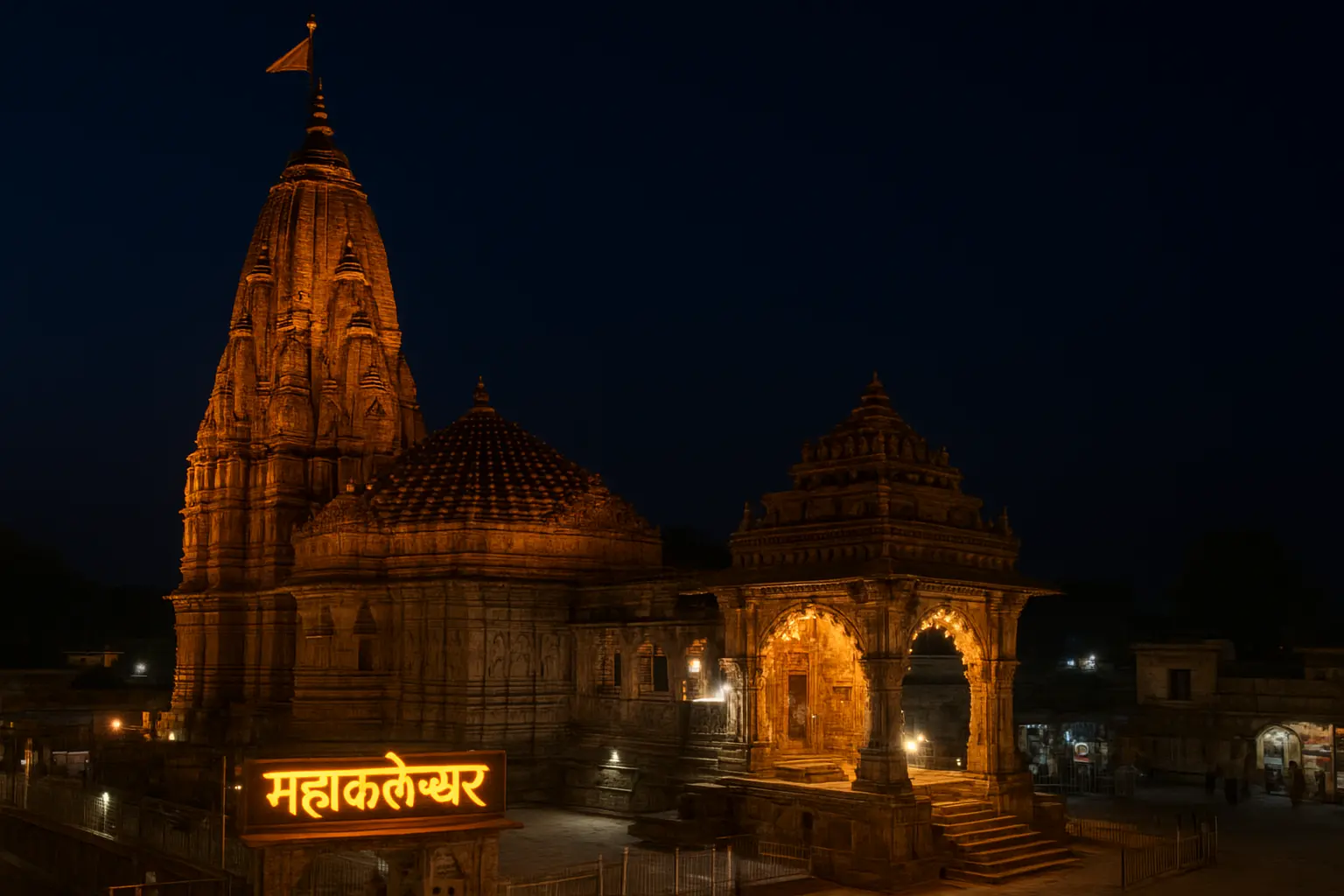
Nestled in the heart of Madhya Pradesh, Sonagiri is a sacred Jain pilgrimage site renowned for its serene ambiance and stunning collection of over 100 whitewashed Jain temples. Known as the “Golden Peak,” Sonagiri holds immense spiritual significance for the Digambara sect of Jainism, drawing devotees, history enthusiasts, and travelers seeking peace and architectural brilliance.
This blog post delves into every aspect of the Sonagiri Temples, including their timings, aarti schedule, history, architecture, and practical tips for planning a memorable trip. Whether you’re a spiritual seeker or a curious traveler, this comprehensive guide will help you make the most of your visit to Sonagiri.
Note: The temples are open to all visitors, but photography is allowed only in designated areas, and modest attire is recommended.
Sonagiri Temples (Madhya Pradesh) Timings and Aarti Schedule
Discover the perfect time to visit Sonagiri Temples and participate in the sacred aarti ceremonies during your spiritual journey in Madhya Pradesh.
| Temple Activity | Timings (Daily) | Notes |
|---|---|---|
| Temple Opening Time | 5:00 AM | Morning Darshan begins at sunrise |
| Morning Aarti | 6:00 AM – 6:30 AM | Participate in the serene morning rituals |
| Mid-Morning Darshan | 10:00 AM – 12:00 PM | Best time for peaceful darshan without crowd |
| Afternoon Break | 12:00 PM – 4:00 PM | Temple remains less crowded; no major rituals |
| Evening Aarti | 6:00 PM – 6:30 PM | Main aarti with full ceremonial rituals |
| Temple Closing Time | 8:00 PM | Ensure you finish darshan before closing |
| Special Days / Festivals | Varies | Timings may extend during Maha Shivratri, Paryushan, and other festivals |
During the annual festival from Falgun Shukla 14 to Chaitra Krishna 5 (typically February to March), additional aarti sessions are conducted, and the temple sees a surge in visitors. It’s advisable to check with the temple authorities for the exact schedule during your visit, as timings may shift slightly during festivals like Mahavir Jayanti.
Note: Arrive 15–20 minutes early for aarti to secure a good spot and participate fully in the rituals.
The Spiritual Significance of Sonagiri Temples
Sonagiri, meaning “Golden Peak,” is a revered destination for Jain devotees, particularly those of the Digambara sect. The site is believed to be a Siddha Kshetra, where millions of ascetic saints, including Nanganag Kumar and his fifteen million followers, attained moksha (liberation). The primary temple, Temple No. 57, is dedicated to the 8th Tirthankara, Bhagwan Chandraprabhu, whose 11-foot-tall idol is a focal point for meditation and worship. The temples’ tranquil environment fosters self-discipline and austerity, making it a haven for spiritual practices like Sallekhana, a Jain practice of voluntary fasting to attain liberation.
Key Points:
- Sonagiri is a Siddha Kshetra, a place where saints achieved moksha.
- The main temple houses an 11-foot idol of Chandraprabhu.
- The site is known for its peaceful ambiance, ideal for meditation.
Note: Visitors are expected to maintain silence and respect the sacred atmosphere. Shoes must be removed before entering the temple premises.
“In the serene embrace of Sonagiri’s white temples, one finds not just architectural splendor but a gateway to spiritual liberation.” – Jain Devotee
Historical Legacy of Sonagiri
The history of Sonagiri dates back to the 9th and 10th centuries, with the temples reflecting the rich heritage of Jainism in Madhya Pradesh. According to Jain texts, the 8th Tirthankara, Bhagwan Chandraprabhu, held 17 Samavsharans (preaching sessions) at this site, cementing its spiritual importance. A 9.8-foot rock-cut statue of Chandraprabhu from the 5th to 6th century stands as a testament to the site’s ancient legacy. Renowned saints like Acharya Shubh Chandra and Bhartrihari lived and worked here, contributing to Jain spiritual texts. The site is also known as Laghu Sammed Shikhar, covering 132 acres across two hills, and is believed to be the place where over five crore ascetic saints achieved liberation.
Note: Visitors interested in history can explore the inscriptions and carvings on the temples, which narrate Jain stories and teachings.
“Sonagiri is not just a place; it’s a timeless journey through the soul of Jainism, where every stone whispers tales of liberation.” – Travel Blogger
Architectural Marvels of Sonagiri Temples
The Sonagiri Temples are a visual delight, characterized by their stark white facades, intricate carvings, and towering spires. The complex includes 77 temples on the hill and 26–31 in the village, each unique in style and architecture. Temple No. 57, the main temple, features a captivating spire and houses the 11-foot idol of Chandraprabhu, flanked by statues of Lord Sheetalnath and Parsvanath. A 43-foot-tall Manstambh (Column of Dignity) and a model of Samavsharan add to the architectural grandeur. Notable temples include Temple No. 60 (Pisan Hari ka Mandir), built by a poor woman, and Temple No. 59 (Gumbajdwar), with minars on all sides. The temples are adorned with Om and Swastika symbols, reflecting centuries of devotion.
Note: Photography is permitted but avoid capturing devotees during worship. The climb to the hilltop temples involves around 300–500 steps, not 3,500 as some sources claim.
How to Reach Sonagiri
Sonagiri is well-connected by road, rail, and air, making it accessible for travelers. Located in Datia district, approximately 60 km from Gwalior and 45 km from Jhansi, the site is ideal for a day trip or overnight visit.
- By Road: Sonagiri lies on the Gwalior-Jhansi highway, with a 15 km diversion from Datia. Taxis, buses, and tempos are available from Gwalior, Jhansi, or Datia. The drive from Gwalior takes about 1 hour.
- By Rail: Sonagiri Railway Station, on the Agra-Jhansi line, is 3 km from the temple complex. Trains from Gwalior, Jhansi, or Agra stop here.
- By Air: The nearest airports are Gwalior (36 km) and Bhopal (410 km). Gwalior is the more convenient option, with taxis available for the short drive to Sonagiri.
Key Points:
- Sonagiri is 60 km from Gwalior and 45 km from Jhansi.
- Sonagiri Railway Station is 3 km from the temples.
- Gwalior is the nearest airport, 36 km away.
Note: Book taxis in advance during peak festival seasons for a hassle-free journey.
Accommodation Options in Sonagiri
For overnight stays, Sonagiri offers several dharamshalas (community shelter homes) catering to pilgrims and tourists. These facilities are clean, affordable, and equipped with basic amenities. Key options include:
- Delhiwali Dharamshala: 20 normal rooms, 25 semi-deluxe, 25 deluxe, with mess facilities.
- Beespanthi Kothi: 20 normal rooms, 15 semi-deluxe, 15 deluxe, with utensils and bedding.
- Tyagi Vrati Ashram: 10 normal rooms, 4 deluxe rooms.
- Terapanthi Kothi: 30 normal rooms, 40 semi-deluxe, 15 deluxe, with mess facilities.
- Kund-Kund Nagar: 45 normal rooms, 45 deluxe rooms, with mess facilities.
Three Jain mess halls provide vegetarian meals tailored to Jain dietary practices. For those preferring hotels, Gwalior or Jhansi offer a range of options, from budget to luxury.
Note: Book dharamshala rooms in advance during festivals, as they fill up quickly.
Best Time to Visit Sonagiri
The best time to visit Sonagiri is from October to March, when the weather is cool and pleasant, ideal for climbing the hill and exploring the temples. Summers (April–June) can be harsh, with temperatures soaring, making the barefoot climb challenging. The monsoon season (July–September) brings lush greenery but may make the hill path slippery. The annual festival from Falgun Shukla 14 to Chaitra Krishna 5 attracts large crowds, offering a vibrant experience but requiring early planning.
Key Points:
- Ideal visiting months: October to March.
- Avoid summers due to heat and barefoot climbing.
- Festival season (February–March) is vibrant but crowded.
Note: Wear lightweight, breathable clothing and carry water during the climb, especially in warmer months.
“The white spires of Sonagiri against the golden sunrise create a divine spectacle that lingers in the heart forever.” – Spiritual Traveler
Key Attractions Near Sonagiri
Sonagiri’s appeal extends beyond its temples, with several nearby attractions worth exploring:
- Gopachal Atishaya Kshetra: Famous for its colossal statues of Lord Adinath, a must-visit for Jain devotees.
- Ringing Rock: A unique rock that produces a metallic sound when struck, located near the temples.
- Pitambara Mata Temple: 15 km away in Datia, a significant Hindu pilgrimage site.
- Chanderi: A historic town known for its forts and handwoven sarees, about 100 km from Sonagiri.
Note: Plan a day trip to combine Sonagiri with nearby attractions for a fulfilling experience.
Tips for a Memorable Trip to Sonagiri
To ensure a smooth and enriching visit to Sonagiri, consider the following tips:
- Dress Appropriately: Wear modest clothing covering shoulders and knees, as required in Jain temples.
- Footwear: Be prepared to walk barefoot, as shoes are not allowed in the temple complex. Carry socks for comfort.
- Hydration and Snacks: Carry water and light snacks, especially during the climb. Jain mess halls provide meals, but options may be limited.
- Photography: Respect temple rules on photography and avoid capturing devotees without permission.
- Guides: Local guides are available for a small fee and can provide insights into the temples’ history and architecture.
- Accessibility: Dholis (palanquins) are available for those with mobility issues to reach the hilltop temples.
Note: Check weather conditions before planning the climb, as the path can be slippery during rains.
Festivals and Events at Sonagiri
The annual festival from Falgun Shukla 14 to Chaitra Krishna 5 is the highlight of Sonagiri’s calendar, drawing thousands of devotees. During this period, special aartis, processions, and spiritual discourses are held, creating a festive atmosphere. Mahavir Jayanti, celebrating the birth of Lord Mahavira, is another significant event, marked by prayers and rituals. These events offer a deeper connection to Jain traditions but require early planning due to crowds.
Key Points:
- The annual festival occurs from February to March.
- Mahavir Jayanti is a major celebration.
- Expect crowds and book accommodations early.
Note: Contact the temple office at 07522–262307 or 262310 for festival schedules and arrangements.
Practical Information for Visitors
- Entry: Free for all visitors.
- Photography: Allowed in designated areas; follow temple guidelines.
- Contact: 07522–262307, 262310 for inquiries.
- Climbing Time: The main temple (No. 57) takes about 15–20 minutes to reach, with 300–500 steps.
- Facilities: Restrooms and resting areas are available along the path.
- Connectivity: Sonagiri has good mobile network coverage, but Wi-Fi is limited to dharamshalas.
Note: Carry cash, as digital payments may not be accepted at smaller vendors or dharamshalas.
Why Visit Sonagiri Temples?
Sonagiri is more than a pilgrimage site; it’s a journey into the heart of Jainism, where spirituality, history, and architecture converge. The serene white temples, the peaceful ambiance, and the rich legacy of moksha make it a unique destination. Whether you seek spiritual solace, historical insights, or simply a break from the hustle of city life, Sonagiri offers an unforgettable experience. Its proximity to Gwalior, Jhansi, and other attractions makes it an easy addition to any Madhya Pradesh itinerary.
Key Points:
- Sonagiri combines spirituality, history, and architecture.
- Ideal for both pilgrims and tourists.
- Easily accessible from major cities like Gwalior and Jhansi.
Note: Plan for at least 2–3 hours to explore the main temples and enjoy the views from the hilltop.
Conclusion
The Sonagiri Temples in Madhya Pradesh are a testament to the enduring legacy of Jainism, offering a blend of spiritual depth, architectural beauty, and serene landscapes. Sonagiri is a must-visit for anyone exploring Central India. Whether you’re climbing the hill to Temple No. 57, marveling at the Manstambh, or soaking in the tranquility, Sonagiri promises a transformative experience.
Plan your trip with this guide, and let the Golden Peak leave an indelible mark on your heart.
10 FAQs for Sonagiri Temples
- What are the Sonagiri Temple timings for morning and evening aarti?
The Sonagiri Temples open early in the morning at 5:00 AM. The morning aarti takes place between 6:00 AM and 6:30 AM, while the evening aarti is conducted from 6:00 PM to 6:30 PM. These rituals are performed daily and are ideal for devotees seeking spiritual experiences. - When is the best time to visit Sonagiri Temples to avoid crowds?
The mid-morning hours from 10:00 AM to 12:00 PM are ideal for a peaceful visit. During this time, the temple is less crowded, allowing visitors to enjoy serene darshan and explore the surroundings comfortably. - Are there any special festival timings at Sonagiri Temples?
Yes, during festivals such as Maha Shivratri, Paryushan, and other Jain religious occasions, the temple timings may extend to accommodate large crowds, special rituals, and additional aarti ceremonies. - Is there any entrance fee to visit Sonagiri Temples?
No, visiting Sonagiri Temples is free of charge. Devotees and tourists can enter the temple complex without any fee and participate in darshan and aarti rituals. - Can I perform or participate in the temple aarti at Sonagiri?
Yes, devotees are welcome to participate in the aarti ceremonies. The morning aarti is calm and intimate, while the evening aarti features full ceremonial rituals with chants, lamps, and offerings. - What facilities are available for visitors at Sonagiri Temples?
The temple complex provides basic facilities including drinking water, seating areas, and clean pathways. Visitors are advised to wear comfortable clothing suitable for walking and climbing, as the temple complex is on a hill. - How can I reach Sonagiri Temples in Madhya Pradesh?
Sonagiri is well-connected by road. The nearest railway station is Satna, approximately 35 km away, and there are frequent buses and taxis available. Private cars or tour packages are also popular choices for travelers. - Are there any accommodation options near Sonagiri Temples?
Yes, there are several hotels and guesthouses in Satna and nearby towns. Visitors can book in advance, especially during festival seasons, to ensure comfortable stays close to the temple complex. - Is photography allowed inside Sonagiri Temples?
Generally, photography inside the sanctum is restricted to maintain sanctity. However, visitors can take photographs of the temple exterior, gardens, and surrounding hills. - What is the significance of Sonagiri Temples in Jainism?
Sonagiri is one of the most sacred Jain pilgrimage sites in Madhya Pradesh. The temples are known for their ancient architecture, spiritual importance, and serene environment, attracting thousands of devotees every year.