


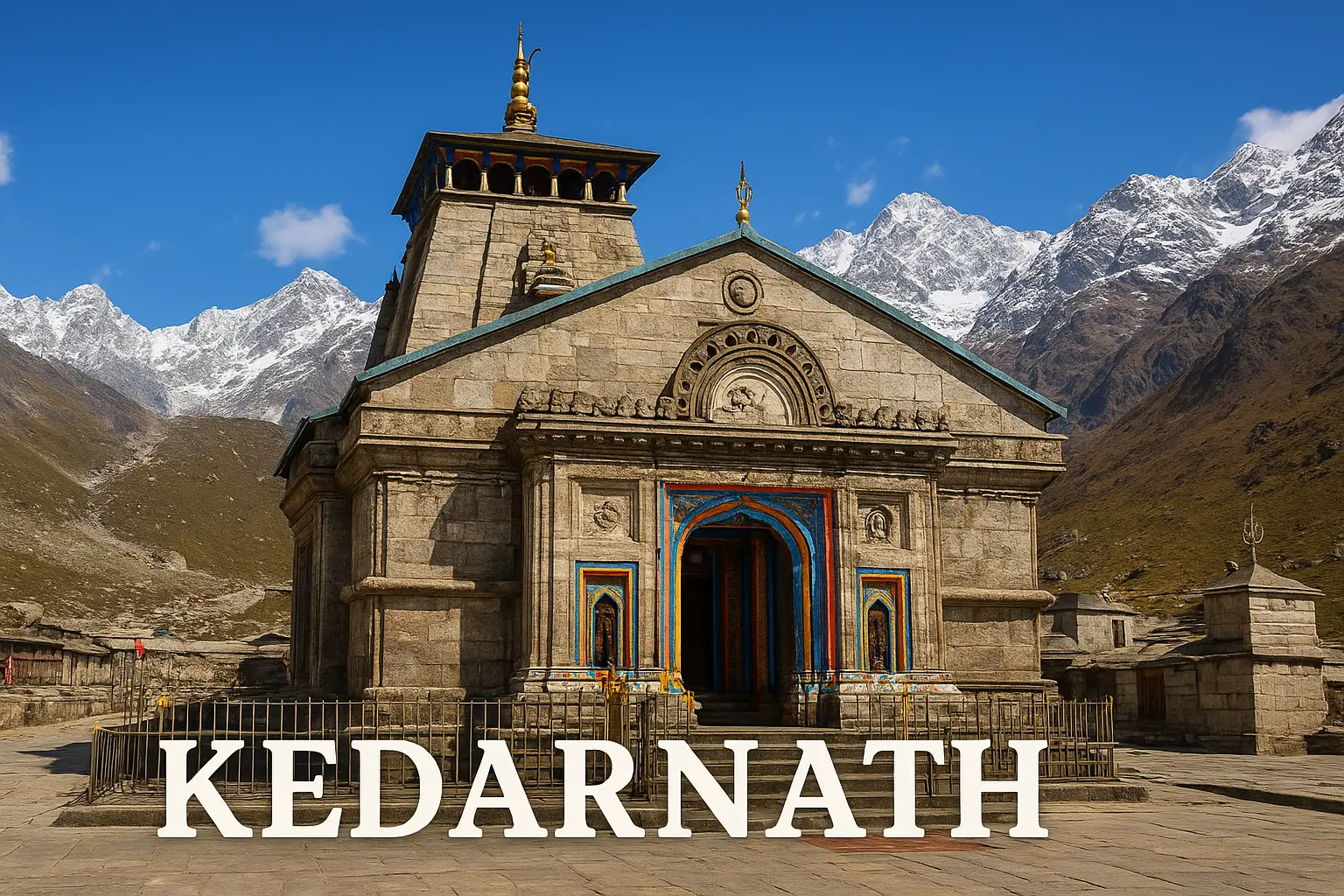
Your Ultimate Guide to the Sacred Kedarnath Yatra
The Kedarnath Temple, nestled amidst the majestic Garhwal Himalayas in Uttarakhand, India, stands as a beacon of devotion for millions of pilgrims seeking the blessings of Lord Shiva. As one of the twelve Jyotirlingas and a pivotal site in the Char Dham Yatra, it draws devotees from across the globe for its profound spiritual significance. This blog post delves into every aspect of planning your Kedarnath Yatra, with a special focus on Kedarnath Temple timings and Kedarnath Aarti schedule, while providing practical tips to ensure a seamless pilgrimage.
- Keypoint: Kedarnath Temple is located at an altitude of about 3,583 meters, making it one of the highest Shiva temples in the world.
- Note: Always check for weather updates before starting your Kedarnath Yatra, as the region is prone to sudden changes.
- Altitude: 3,583 meters above sea level
- Location: Garhwal Himalayas, Uttarakhand
- Significance: One of the 12 Jyotirlingas and part of Char Dham Yatra
- Weather Tip: Monitor forecasts for rain or snow before travel
Kedarnath Temple Timings and Aarti Schedule
Kedarnath Temple, one of the twelve Jyotirlingas of Lord Shiva, follows strict daily rituals and aarti timings. Here’s the complete Kedarnath Temple timings and aarti schedule for devotees planning their visit.
| Activity | Summer Timings (May–Oct) | Winter Timings (Nov–Apr) | Notes |
|---|---|---|---|
| Temple Opening | 4:00 AM | Closed (Winter Migration) | Temple opens with Mangala Aarti |
| Morning Aarti (Mangala Aarti) | 4:00 AM – 5:00 AM | – | Performed at the sanctum sanctorum |
| General Darshan | 6:00 AM – 3:00 PM | – | Open for devotees |
| Bhog / Afternoon Break | 3:00 PM – 5:00 PM | – | Temple remains closed |
| Evening Darshan | 5:00 PM – 9:00 PM | – | Devotees can offer prayers |
| Evening Aarti (Shayan Aarti) | 7:00 PM – 8:30 PM | – | Final prayers before temple closes |
| Temple Closing | 9:00 PM | Closed (Winter Migration) | Idol shifted to Omkareshwar Temple, Ukhimath |
- Note: Arrive early to avoid long queues, especially during peak Kedarnath Yatra seasons like May-June.
- Opening Date (2025): May 2
- Closing Date (2025): November 14
- Daily Hours: 4:00 AM to 9:00 PM with a break from 3:00 PM to 5:00 PM
- Crowd Management: Early arrival recommended to avoid peak-hour rush
- Special Aartis: Kapoor Aarti (6:00-6:10 PM), Swaran Aarti (6:30-6:45 PM) Spiritual Tip: Maintain silence and avoid distractions during Aarti
Note: Photography is restricted during Aartis; focus on immersion for a deeper spiritual connect
“May the divine blessings of Lord Shiva be upon you all. Har Har Mahadev!”
Brief History of Kedarnath Temple
Legends trace the origins of Kedarnath Temple back to the Mahabharata era, where the Pandavas are said to have built it to atone for their sins after the Kurukshetra war. It was later revived by the revered philosopher Adi Shankaracharya in the 8th century AD, who established it as a key pilgrimage site. Despite facing natural calamities like the 2013 floods, the temple’s resilience symbolizes eternal faith.
- Keypoint: The temple’s architecture features grey stone slabs and intricate carvings, reflecting ancient Himalayan building techniques.
- Note: Historical records suggest the temple has withstood over a thousand years of harsh weather, embodying the unyielding spirit of Lord Shiva.
- Historical Origin: Linked to Pandavas and revived by Adi Shankaracharya
- Architecture: Grey stone with intricate Himalayan-style carvings
- Resilience: Survived natural disasters, including 2013 floods
- Cultural Importance: A cornerstone of Shaivism and Char Dham pilgrimage
“Kedarnath Temple, where spirituality flows like the river and the mountains stand as guardians of the faith.”
How to Reach Kedarnath: Routes and Transportation Options
Embarking on the Kedarnath Yatra begins with reaching the base point, Gaurikund, from where the real adventure unfolds. The most common starting points are Haridwar or Rishikesh, accessible by train from major cities like Delhi. From there, a scenic 200-220 km road journey via buses or taxis takes you through winding mountain roads to Sonprayag, followed by a short 5 km ride to Gaurikund. For air travelers, Jolly Grant Airport in Dehradun is the nearest, about 239 km away, with taxis or buses available for the onward trip.
Helicopter services offer a quicker alternative, flying directly from Phata, Guptkashi, or Sersi to Kedarnath in just 15-20 minutes, ideal for those with time constraints or health issues. Book these in advance, especially during peak Kedarnath Yatra seasons. If driving, the route from Delhi is approximately 458 km, passing through picturesque towns like Devprayag and Rudraprayag. Always opt for registered vehicles and check road conditions, as landslides can occur.
- Keypoint: By road: Delhi to Gaurikund (458 km); By air: Dehradun Airport then road/helicopter.
- Note: Mandatory registration for the yatra is required via the official Uttarakhand Tourism website to ensure safety and crowd management.
- Starting Points: Haridwar, Rishikesh, or Dehradun (Jolly Grant Airport)
- Road Distance: Delhi to Gaurikund, ~458 km
- Helicopter Hubs: Phata, Guptkashi, Sersi (15-20 min flight)
- Registration: Mandatory via Uttarakhand Tourism portal
Best Time to Visit Kedarnath for an Unforgettable Experience
Timing your Kedarnath Yatra perfectly enhances the pilgrimage’s joy and safety. The ideal window is May to June and September to October, when the weather is pleasant with clear skies, mild temperatures (10-20°C), and blooming rhododendrons adding color to the landscape. These months align with the temple’s opening and closing, avoiding the harsh winters when the shrine is inaccessible due to snow.
Monsoon (July-August) should be avoided due to heavy rains triggering landslides and trek disruptions. Post-monsoon in September offers crisp air and fewer crowds, perfect for introspection. Winter visits are impossible as the temple closes, but off-season planning allows for better deals on accommodations and transport. As of August 2025, the yatra is in full swing, but plan ahead for the closing in November.
- Keypoint: Peak season: May-June; Shoulder season: Sept-Oct for fewer crowds.
- Note: Check IMD forecasts; carry woolens even in summer as nights get chilly at high altitudes.
- Best Months: May-June, September-October
- Avoid: July-August due to monsoon risks
- Weather: 10-20°C in peak seasons, cold nights
- Planning Tip: Book accommodations early for peak seasons
“Kedarnath is the best place to understand the meaning of spirituality.”
The Kedarnath Trek: Step-by-Step Details and Challenges
The 16 km Kedarnath trek from Gaurikund is a highlight of the yatra, blending physical endurance with breathtaking views of the Mandakini River and cedar forests. Starting at 4:00-5:00 AM is advisable to complete the 6-8 hour journey before evening. The trail is well-marked, with moderate to steep inclines, passing through checkpoints like Rambara (midway point) where rest stops offer tea and snacks.
For beginners, the trek can be demanding due to altitude and uneven paths, but options like ponies (₹2,000-3,000), palanquins (₹4,000-6,000), or pithus (human carriers) make it accessible. Hydration points and medical aid are available en route. The final ascent rewards with panoramic vistas, culminating at the temple where the air resonates with bhajans. In 2025, with improved infrastructure post-floods, the trek is safer but still requires preparation.
- Keypoint: Distance: 16 km; Time: 6-8 hours; Difficulty: Moderate.
- Note: No trekking after 1:30 PM from Gaurikund for safety; wear sturdy shoes and carry a walking stick.
- Trek Distance: 16 km from Gaurikund to Kedarnath
- Duration: 6-8 hours, start by 4:00-5:00 AM
- Support Options: Ponies (₹2,000-3,000), palanquins (₹4,000-6,000)
- Safety Rule: No trekking post 1:30 PM
Accommodations and Facilities During Your Kedarnath Trip
Accommodations along the Kedarnath Yatra range from budget to comfortable, ensuring rest after the trek. In Kedarnath town, GMVN (Garhwal Mandal Vikas Nigam) guesthouses offer dorms (₹300-500 per bed) and rooms (₹1,000-2,000), with basic amenities like hot water and meals. Private tents and eco-camps provide a rustic experience, while en route at Guptkashi or Sonprayag, hotels like Char Machan Resort offer modern comforts with views.
Facilities include ATMs in Gaurikund, medical centers at key points, and eateries serving vegetarian thalis. For a hassle-free stay, book in advance via apps or the official portal. Eco-friendly practices, like avoiding plastics, are encouraged to preserve the pristine environment. In 2025, increased facilities cater to the growing number of pilgrims.
- Keypoint: Options: GMVN guesthouses, tents, hotels; Cost: ₹300-3,000/night.
- Note: Carry cash as digital payments may not work in remote areas; opt for rooms with heaters for cold nights.
- Accommodation Types: GMVN dorms, private tents, hotels
- Cost Range: ₹300-3,000 per night
- Facilities: ATMs, medical centers, vegetarian eateries
- Eco Tip: Avoid single-use plastics to protect the environment
Rituals, Darshan, and Spiritual Practices at Kedarnath
Darshan at Kedarnath Temple is a transformative experience, with general queues moving swiftly during off-peak hours. Special pujas like Rudrabhishek (₹5,100) or Astotari Puja can be booked online for a more intimate connection. Devotees often perform circumambulation (parikrama) around the temple, offering bilva leaves and chanting mantras.
The yatra emphasizes purity—fasting before darshan and wearing traditional attire enhances the ritual. Evening Aartis are particularly moving, with the flame-lit sanctum invoking deep reverence. Many pilgrims also visit the nearby Adi Shankaracharya Samadhi for additional blessings. Aligning with Kedarnath Temple timings ensures you don’t miss these sacred moments.
- Keypoint: Darshan types: General (free), Special pujas (paid); Best time: Early morning.
- Note: Maintain silence and decorum; prasad like peda is distributed post-darshan.
- Darshan Options: General (free), Special pujas (e.g., Rudrabhishek, ₹5,100)
- Rituals: Parikrama, bilva leaf offerings, mantra chanting
- Nearby Site: Adi Shankaracharya Samadhi
- Etiquette: Silence during Aarti, traditional attire recommended
What to Carry and Essential Tips for a Safe Kedarnath Yatra
Packing smartly is key to a successful Kedarnath trip. Essentials include warm clothing (jackets, gloves), rain gear, sturdy trekking shoes, medications (for altitude sickness), ID proofs, and power banks. Carry dry fruits, water bottles, and a first-aid kit for the trek. Tips: Acclimatize in Guptkashi for a day to prevent AMS (Acute Mountain Sickness); stay hydrated and eat light; respect local customs by not consuming non-veg or alcohol.
For families or seniors, helicopters or assisted treks are recommended. Budget wisely—total cost for a 4-5 day yatra ranges from ₹10,000-30,000 per person, excluding helicopters (₹5,000-7,000 round trip). Always travel in groups and follow eco-guidelines. With 2025 seeing more pilgrims, early planning is essential.
- Keypoint: Must-carry: Woolens, meds, ID; Tips: Acclimatize, hydrate.
- Note: Download offline maps; emergency helplines like 108 are vital.
- Essentials: Warm clothes, rain gear, trekking shoes, medications
- Trek Supplies: Dry fruits, water, first-aid kit
- Cost Estimate: ₹10,000-30,000 (excluding helicopter: ₹5,000-7,000)
- Safety Tip: Use offline maps, note emergency number 108
Exploring Nearby Attractions Around Kedarnath
Extend your Kedarnath Yatra by visiting nearby gems. Gandhi Sarovar (Chorabari Tal), a 3 km trek from the temple, offers glacial views and is linked to Mahatma Gandhi’s ashes immersion. Vasuki Tal, 8 km away, is a high-altitude lake ideal for adventure seekers. Triyuginarayan Temple, 25 km from Gaurikund, is famed as Shiva-Parvati’s wedding site.
These spots provide a mix of nature and mythology, enhancing your spiritual sojourn. Plan side trips post-darshan to avoid fatigue. Combining these with Kedarnath Temple timings allows for a fuller experience.
- Keypoint: Top spots: Gandhi Sarovar, Vasuki Tal, Triyuginarayan.
- Note: Permits may be needed for some treks; carry packed lunches.
- Gandhi Sarovar: 3 km trek, glacial lake
- Vasuki Tal: 8 km trek, high-altitude adventure
- Triyuginarayan Temple: 25 km, Shiva-Parvati wedding site
- Planning Tip: Schedule side trips after darshan, carry food
Conclusion: Embark on Your Transformative Kedarnath Journey
The Kedarnath Temple timings and Aarti schedule form the core of this divine pilgrimage, but the true essence lies in the journey’s trials and triumphs. Whether trekking the rugged paths or soaring via helicopter, the Kedarnath Yatra promises inner peace and unbreakable faith. Prepare thoroughly, respect the mountains, and let Lord Shiva guide your steps.
- Keypoint: Overall: Spiritual renewal awaits; plan sustainably.
- Note: Share your experiences to inspire others; safe travels!
- Core Experience: Darshan and Aarti participation
- Journey Options: Trek or helicopter
- Sustainability: Follow eco-friendly practices
- Community: Share yatra stories to motivate others
Kedarnath Temple FAQs
1. What are the opening and closing timings of Kedarnath Temple?
Kedarnath Temple opens at 4:00 AM every day with the Mangala Aarti and closes at 9:00 PM after the Shayan Aarti. Devotees can attend morning and evening darshan during this period. However, from November to April, the temple remains closed due to heavy snowfall, and the idol of Lord Shiva is shifted to Omkareshwar Temple in Ukhimath for worship.
2. What time is the Mangala Aarti at Kedarnath Temple?
The Mangala Aarti takes place between 4:00 AM to 5:00 AM. It is the first aarti of the day, performed to awaken and worship Lord Shiva with devotional chants, bells, and offerings. Devotees who attend this aarti experience a highly spiritual and peaceful atmosphere in the temple.
3. What is the timing of Shayan Aarti at Kedarnath Temple?
The Shayan Aarti is performed in the evening between 7:00 PM and 8:30 PM. This aarti marks the closing of the temple for the night. Devotees consider it very auspicious as Lord Shiva is offered prayers and rituals before the sanctum doors are closed.
4. Is Kedarnath Temple open during winter?
No, Kedarnath Temple remains closed in winter (November to April) due to heavy snowfall in the region. During this time, the idol of Lord Shiva is moved to Omkareshwar Temple in Ukhimath, where devotees can continue offering prayers until the Kedarnath Temple reopens in May.
5. What are the darshan timings at Kedarnath Temple?
Darshan at Kedarnath Temple is allowed from 6:00 AM to 3:00 PM and again from 5:00 PM to 9:00 PM. The temple remains closed from 3:00 PM to 5:00 PM for bhog and rituals. Devotees are advised to reach early in the morning to avoid long queues, especially during peak pilgrimage months.
6. How many aartis are performed at Kedarnath Temple daily?
Three main aartis are performed daily at Kedarnath Temple:
- Mangala Aarti (4:00 AM – 5:00 AM)
- Bhog Aarti (3:00 PM – 5:00 PM)
- Shayan Aarti (7:00 PM – 8:30 PM)
These rituals are performed with devotion and traditional Vedic chants, offering a deeply spiritual experience for devotees.
7. When does Kedarnath Temple open for darshan in the year?
The Kedarnath Temple generally opens in May (Akshaya Tritiya) every year. The exact date is announced on Maha Shivratri by the priests of Omkareshwar Temple in Ukhimath. The temple closes after Diwali when winter sets in, and the idol is shifted to Ukhimath for worship during the colder months.
8. Can devotees attend all the aartis at Kedarnath Temple?
Yes, devotees are allowed to attend all the aartis — Mangala Aarti in the morning, Bhog Aarti in the afternoon, and Shayan Aarti in the evening. However, entry to these aartis may be restricted based on crowd management, weather conditions, and temple rituals. It is advisable to reach well in advance.
9. What is the best time to visit Kedarnath Temple for darshan?
The best time to visit Kedarnath Temple is early morning around 6:00 AM or evening after 5:00 PM when the crowd is relatively smaller, and the atmosphere is calm. If you wish to experience divine rituals, attending the Mangala Aarti (4:00 AM) or Shayan Aarti (7:00 PM) is highly recommended.
10. Where is Kedarnath Temple located and how can one reach it?
Kedarnath Temple is located in Rudraprayag district, Uttarakhand, at an altitude of 3,583 meters. It is one of the four Char Dham pilgrimage sites. To reach the temple, devotees must trek 16 km from Gaurikund. Helicopter services are also available from Phata, Guptkashi, and Sitapur, making the journey easier for elderly and physically challenged devotees.