


Complete Tour Guide
The Sankat Mochan Hanuman Temple in Varanasi, a sacred haven dedicated to Lord Hanuman, is a spiritual cornerstone for devotees seeking solace and strength. Known as the “reliever of troubles,” this iconic temple, founded by Goswami Tulsidas, attracts thousands daily with its serene ambiance and vibrant rituals. This comprehensive guide covers the temple’s timings, aarti schedule, history, festivals, and everything you need for a fulfilling visit.
Overview of Sankat Mochan Hanuman Temple
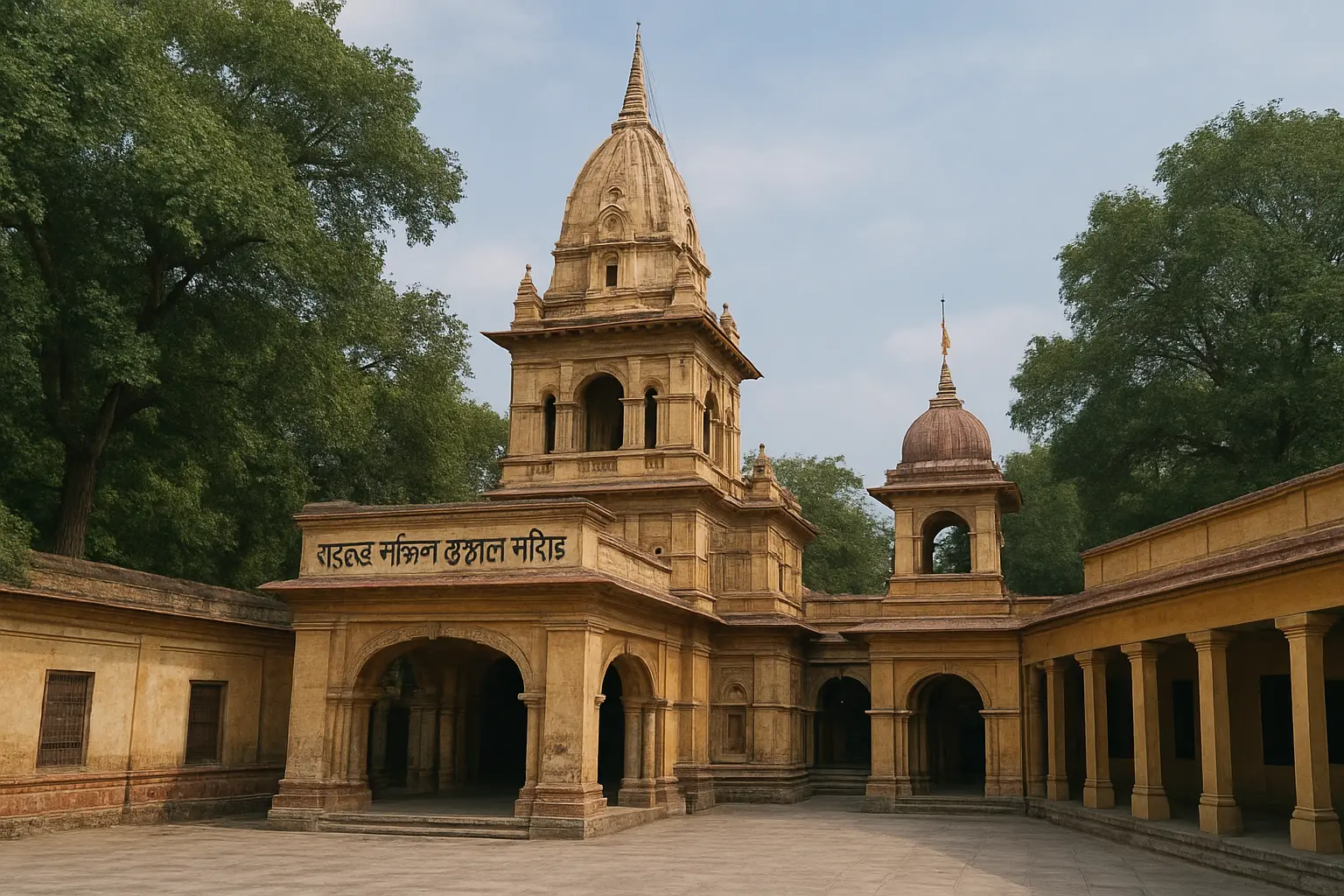
Nestled on the banks of the Assi River in Varanasi, Uttar Pradesh, the Sankat Mochan Hanuman Temple is a revered site for devotees of Lord Hanuman. Established in the 16th century by the poet-saint Tulsidas, it is a beacon of faith, offering spiritual solace and cultural richness. The temple’s peaceful environment, coupled with its historical and religious significance, makes it a must-visit destination for pilgrims and tourists alike.
Sankat Mochan Hanuman Temple Timings and Aarti Schedule
Below is the complete timetable for temple opening hours and daily aarti schedule for devotees visiting the holy Sankat Mochan Hanuman Temple in Varanasi.
| Day | Temple Opening Time | Temple Closing Time | Aarti / Ritual | Aarti Time |
|---|---|---|---|---|
| Monday | 5:00 AM | 10:00 PM | Mangala Aarti | 5:00 AM |
| Tuesday | 5:00 AM | 10:00 PM | Hanuman Chalisa & Bhajan | 8:00 AM |
| Wednesday | 5:00 AM | 10:00 PM | Sandhya Aarti | 8:30 PM |
| Thursday | 5:00 AM | 10:00 PM | Mangala Aarti | 5:00 AM |
| Friday | 5:00 AM | 10:00 PM | Hanuman Chalisa & Bhajan | 8:00 AM |
| Saturday | 5:00 AM | 10:00 PM | Sandhya Aarti | 8:30 PM |
| Sunday | 5:00 AM | 10:00 PM | Mangala Aarti | 5:00 AM |
Note: Timings may vary on special occasions, Hanuman Jayanti, and major festivals.
Temple Timings:
- Daily: 5:00 AM to 10:00 PM (some sources indicate 4:00 AM openings and extended hours until midnight on Tuesdays and Saturdays, which are considered auspicious for Hanuman worship).
- Morning Darshan: Starts at 5:00 AM (or 4:00 AM as per some sources), offering a serene experience with soft hymns and morning light.
- Evening Darshan: Continues until 10:00 PM, with extended hours on Tuesdays and Saturdays to accommodate larger crowds.
Tips for Visitors:
- Best Time to Visit: Early mornings (5:00 AM to 8:00 AM) for a quieter, more personal experience, or late afternoons (before sunset) to enjoy the evening aarti’s divine energy. Avoid midday during summer due to heat.
- Crowd Management: Tuesdays and Saturdays see larger crowds due to their significance in Hanuman worship. Arrive early to avoid long queues.
“Visiting the Sankat Mochan Hanuman Temple at dawn feels like stepping into a realm of divine peace, where the first rays of sunlight blend with the chants of Hanuman Chalisa, soothing the soul.” – A Devotee’s Reflection
Historical Significance of Sankat Mochan Hanuman Temple
The temple’s history is deeply intertwined with Goswami Tulsidas, the 16th-century poet-saint and author of the Ramcharitmanas, an Awadhi retelling of the Ramayana. According to legend, Tulsidas had a divine vision of Lord Hanuman at the temple’s location, inspiring him to establish this sacred site. The present-day structure was constructed in the early 1900s by Pandit Madan Mohan Malviya, the founder of Banaras Hindu University (BHU), blending traditional and modern architectural elements.
The name “Sankat Mochan,” meaning “reliever of troubles,” reflects Lord Hanuman’s role as a protector who alleviates devotees’ hardships. The temple’s spiritual significance is enhanced by its association with Vedic astrology, where Hanuman is believed to shield devotees from the adverse effects of planets like Saturn and Mars.
A tragic event in 2006, when a terrorist attack struck during the evening aarti, tested the temple’s resilience. Despite the loss, devotees resumed worship the next day, showcasing their unwavering faith. A permanent police post was established post-incident to ensure safety.
Architectural and Cultural Highlights
The Sankat Mochan Hanuman Temple is known for its modest yet spiritually charged architecture. The sanctum houses a striking idol of Lord Hanuman, adorned with marigold garlands and sindoor (vermilion), symbolizing his devotion to Lord Rama. A unique feature is the statue of Hanuman facing Lord Rama in the main courtyard, accompanied by idols of Rama, Sita, Lakshman, and the Vanara army, all paying homage to Lord Shiva.
The temple is surrounded by lush greenery and a lively population of monkeys, considered sacred due to their association with Hanuman. These playful creatures add a unique charm, though visitors should be cautious with prasad to avoid monkey mischief.
The temple also serves as a cultural hub, hosting the annual Sankat Mochan Sangeet Samaroh, a classical music and dance festival held in April. Renowned artists like Ustad Bismillah Khan and Pandit Hari Prasad Chaurasia have performed here, blending spirituality with India’s rich cultural heritage.
“The simplicity of Sankat Mochan’s architecture mirrors the humility of Lord Hanuman, yet its spiritual energy is profound, drawing devotees into a deep connection with the divine.” – A Pilgrim’s Insight
Festivals and Special Events
The temple comes alive during major Hindu festivals, particularly:
- Hanuman Jayanti: Celebrating Lord Hanuman’s birth, this festival features special prayers, processions, and cultural performances. The temple is adorned with decorations, and devotees offer laddus and marigold garlands.
- Rama Navami: Commemorating Lord Rama’s birth, this event includes recitations of the Ramcharitmanas and devotional chanting.
- Sankat Mochan Sangeet Samaroh: A six-day music and dance festival in April, showcasing classical performances that attract artists and audiences nationwide.
- Diwali and Holi: These festivals bring vibrant celebrations, with special aartis and community gatherings.
During these events, the temple sees a surge in visitors, so plan for crowds and book accommodations in advance.
Planning Your Visit: Practical Tips
How to Reach Sankat Mochan Hanuman Temple
- By Air: Lal Bahadur Shastri International Airport in Babatpur, 23 km from the temple, is the nearest airport. Taxis and auto-rickshaws are readily available.
- By Rail: Varanasi Junction (10 km) and Banaras Railway Station (6 km) are well-connected, with cabs and rickshaws for easy access.
- By Road: The temple in Saket Nagar Colony is accessible via taxis, auto-rickshaws, or local buses from anywhere in Varanasi.
Visitor Guidelines
- Dress Code: Wear modest clothing and remove shoes before entering.
- Security: Mobile phones and cameras are not allowed inside; deposit them at the locker facility at the entrance.
- Prasad: Besan laddus and pedas are popular offerings, available at shops near the entrance. Be mindful of monkeys stealing prasad.
- Accessibility: Wheelchairs are available for those in need, and the temple has clean facilities like toilets and a lost-and-found.
- Photography: Photography is allowed for personal use, but seek permission for sacred areas or during rituals.
Best Times for a Spiritual Experience
- Early Morning: Ideal for a peaceful darshan and morning aarti, with fewer crowds and a serene ambiance.
- Evening Aarti: Join the vibrant evening aarti for a mesmerizing experience filled with chants and lamps.
- Avoid Peak Days: Tuesdays and Saturdays are crowded; opt for weekdays for a calmer visit.
Nearby Attractions
- Assi Ghat: A short walk away, famous for its evening Ganga Aarti.
- Dashashwamedh Ghat: Known for its grand Ganga Aarti, a must-see cultural experience.
- Bharat Kala Bhavan Museum: Explore Varanasi’s artistic heritage with its collection of artifacts and textiles.
- Durga Temple and Tulsi Manas Temple: Located nearby, these temples complement a spiritual tour of Varanasi.
“In the heart of Varanasi, the Sankat Mochan Hanuman Temple stands as a testament to faith, where every chant and lamp offered feels like a step closer to divine grace.” – A Traveler’s Note
Spiritual and Social Significance
The temple is more than a place of worship; it’s a sanctuary for spiritual rejuvenation. Devotees recite the Hanuman Chalisa and Sunderkand, seeking blessings for strength, wisdom, and relief from obstacles. The temple’s association with Lord Hanuman’s protective energy makes it a haven for those facing life’s challenges.
The Sankat Mochan Foundation, established in 1982 by Veer Bhadra Mishra, extends the temple’s mission beyond spirituality. It supports environmental initiatives like cleaning the Ganges River and operates a charitable hospital, reflecting Hanuman’s ethos of service.
Tips for a Memorable Temple Tour
- Plan Ahead: Check the aarti schedule and arrive early to secure a spot, especially during festivals. Book transportation and accommodations in advance, as Varanasi gets crowded during peak seasons.
- Carry Essentials: Bring a water bottle, comfortable footwear, a prayer book, or a mala for personal rituals. A small notebook can help jot down reflections or chants.
- Respect Local Customs: Maintain silence during aartis, follow temple rules, and consider donating to the temple fund to support its upkeep.
- Explore Varanasi: Combine your visit with a sunrise boat ride on the Ganges, a tour of nearby ghats, or a stroll through Varanasi’s ancient lanes for a holistic experience.
- Engage with Locals: Interact with priests or local devotees to learn about the temple’s history and rituals, enriching your spiritual journey.
- Stay Safe: Be cautious of pickpockets in crowded areas and secure belongings, especially prasad, from monkeys.
Accommodation and Dining Options
- Accommodation: Varanasi offers options for all budgets, from budget guesthouses near Assi Ghat to luxury hotels like Taj Ganges. Book early during festivals.
- Dining: Savor local delicacies like kachori-sabzi, lassi, or chaat at nearby eateries. For a spiritual touch, try vegetarian restaurants serving sattvic food, aligning with the temple’s ethos.
Conclusion
The Sankat Mochan Hanuman Temple in Varanasi is a spiritual gem that blends devotion, history, and culture. From its early morning aartis to the vibrant Sankat Mochan Sangeet Samaroh, the temple offers a transformative experience for devotees and travelers. Whether you seek Lord Hanuman’s blessings or wish to immerse yourself in Varanasi’s spiritual heritage, this guide equips you with all you need for a fulfilling visit. Plan your trip, embrace the divine energy, and let the “reliever of troubles” guide your path.
Frequently Asked Questions (FAQs) about Sankat Mochan Hanuman Temple, Varanasi
1. What are the daily opening and closing timings of Sankat Mochan Hanuman Temple in Varanasi?
Sankat Mochan Hanuman Temple in Varanasi opens daily at 5:00 AM and closes at 10:00 PM. Devotees can visit the temple during these hours to offer prayers, attend the aarti, and participate in bhajans. Timings may be extended or adjusted during special festivals like Hanuman Jayanti.
2. At what time is Mangala Aarti performed in Sankat Mochan Hanuman Temple?
Mangala Aarti at Sankat Mochan Hanuman Temple is performed early in the morning at 5:00 AM every Monday, Thursday, and Sunday. It is considered highly auspicious to attend this aarti as it marks the beginning of the day with devotional chants in honor of Lord Hanuman.
3. What is the time of Sandhya Aarti at Sankat Mochan Temple?
The Sandhya Aarti (Evening Aarti) at Sankat Mochan Temple is performed at 8:30 PM on Wednesdays and Saturdays. The temple is beautifully lit during this time, and the melodious bhajans create a spiritually uplifting atmosphere.
4. Is there any special day to visit Sankat Mochan Hanuman Temple?
While the temple is open daily, Tuesdays and Saturdays are considered the most auspicious days to visit Sankat Mochan Hanuman Temple, as these days are dedicated to Lord Hanuman. The temple sees a huge gathering of devotees chanting the Hanuman Chalisa and offering sindoor and laddoos to the deity.
5. How long should I expect to spend at Sankat Mochan Hanuman Temple?
Most devotees spend around 30 minutes to 1 hour at Sankat Mochan Hanuman Temple for darshan and aarti. However, on crowded days like Tuesdays, Saturdays, and festival days, the visit may take longer due to long queues.
6. Can I attend Hanuman Chalisa recitation at the temple?
Yes, Hanuman Chalisa is recited daily at Sankat Mochan Hanuman Temple, particularly in the morning around 8:00 AM on Tuesdays and Fridays. Many devotees participate in this devotional recitation, creating a powerful spiritual atmosphere.
7. Is photography allowed inside Sankat Mochan Hanuman Temple?
Photography is generally not allowed inside the sanctum sanctorum of Sankat Mochan Hanuman Temple to maintain the sanctity of the place. However, you can take photographs in the outer temple complex unless restricted by temple authorities.
8. Are there any special aartis or rituals on Hanuman Jayanti at Sankat Mochan Temple?
On Hanuman Jayanti, the temple conducts grand celebrations with extended aarti sessions, continuous Hanuman Chalisa chanting, special prasad distribution, and elaborate decorations. The temple remains open for extended hours to accommodate the large number of devotees.
9. Is there an entry fee to visit Sankat Mochan Hanuman Temple?
No, there is no entry fee to visit Sankat Mochan Hanuman Temple. It is open to all devotees free of charge. Voluntary donations can be made at the temple for maintenance and religious activities.
10. What is the best time of the year to visit Sankat Mochan Hanuman Temple?
The temple can be visited throughout the year, but the best time is during Hanuman Jayanti (March–April) and Diwali, when the temple is beautifully decorated and the atmosphere is filled with devotional fervor. Winter months (October–February) are also pleasant for darshan due to comfortable weather in Varanasi.